










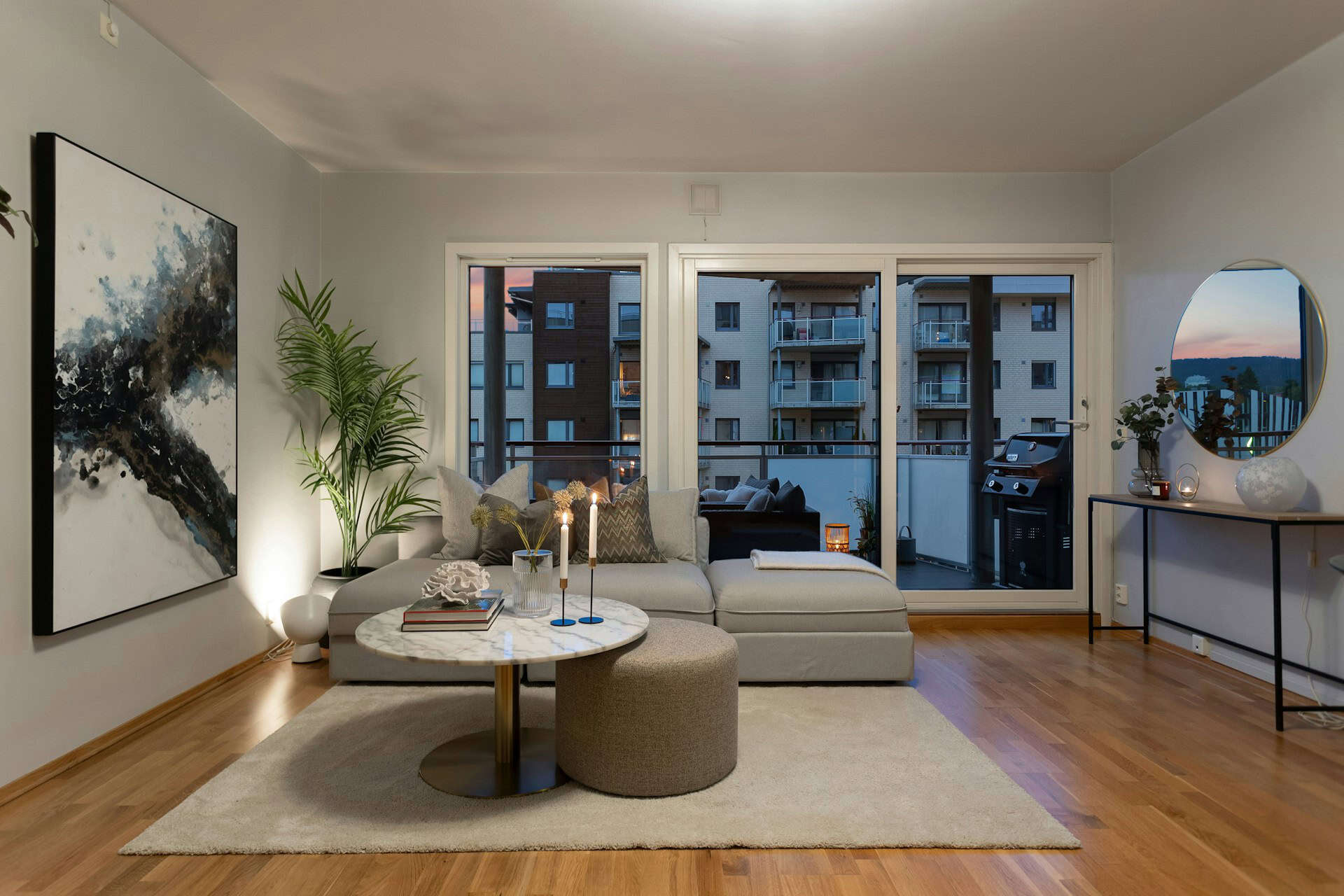
"Reclaiming the right to silence through spatial designs that offer a rest for the auditory senses."
As sound density increases in major cities, the world of design and architecture is beginning to place "silence" as a primary element in both public and private space design. Acoustic Architecture is no longer just a technical matter of soundproofing a music studio or cinema; it is a conscious effort to create "pockets of silence" amidst the never-ending bustle of the city.
By using innovative sound-absorbing materials, landscape designs capable of breaking sound waves, and even manipulating wind direction, architects are striving to provide "auditory rest" for urban dwellers. This is a response to chronic noise pollution, which is often overlooked yet has a significant impact on quality of life.
"Silence does not mean the absence of sound, but rather the presence of sounds that heal."
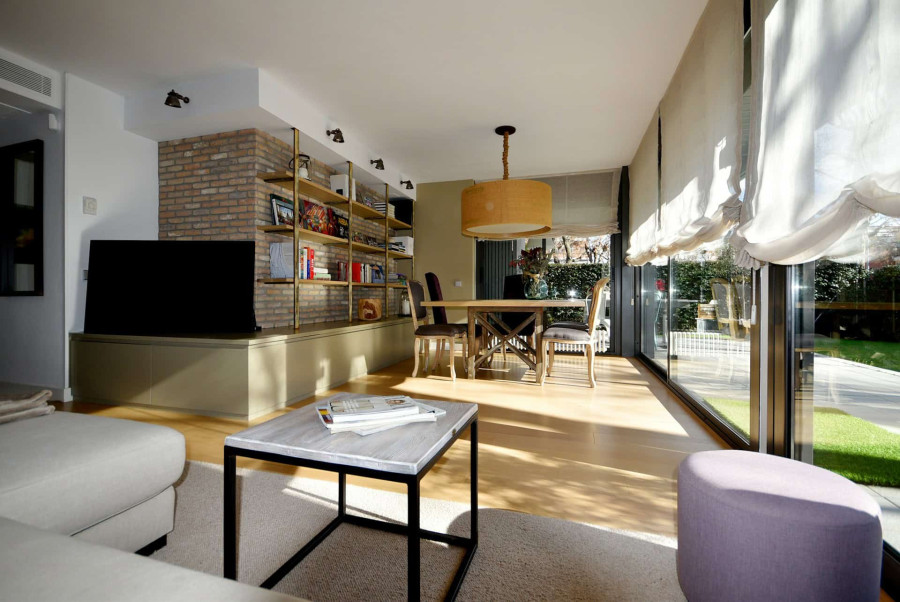
Photo by Raquel Navalon Alvarez on Unsplash
Silence in modern spatial design does not mean creating a dead vacuum, but rather crafting an atmosphere where soothing natural sounds can be heard without the interference of mechanical noise. The use of specially designed water features to create meditative white noise, or the selection of vegetation with specific leaf densities to dampen traffic noise, are techniques now being widely adopted.
Neurologically, exposure to spaces with high acoustic quality has been proven to lower heart rates and enhance cognitive abilities. Silent spaces act as "auditory lungs" that are desperately needed in dense urban ecosystems.
"Good design does not only please the eye but also guards the peace of the ear."
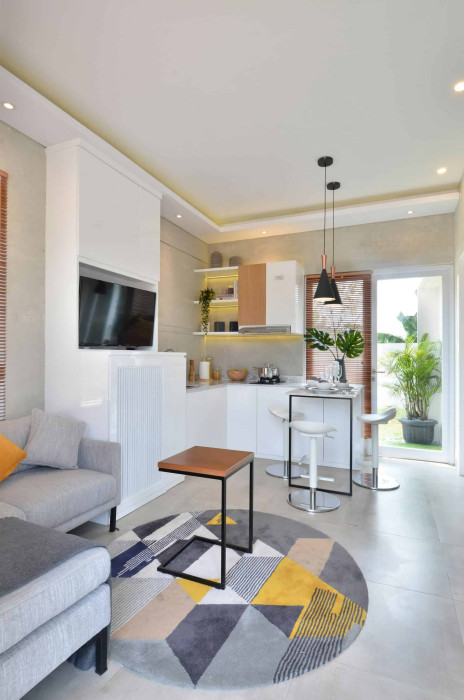
Photo by Dulkimso Hakim Santoso on Unsplash
Aesthetically, the architecture of silence often adopts a minimalist style, utilizing materials with soft textures and curved forms to avoid sharp sound reflections (reverb). This design creates a meditative and introspective atmosphere, encouraging individuals to become more aware of their physical presence and inner calm.
In the future, the value of a building will not only be judged by its magnificent visual facade but also by its ability to provide sensory protection for its occupants. Silence architecture is a form of care for holistic human health—an effort to reclaim our right to meaningful silence in an increasingly noisy world.
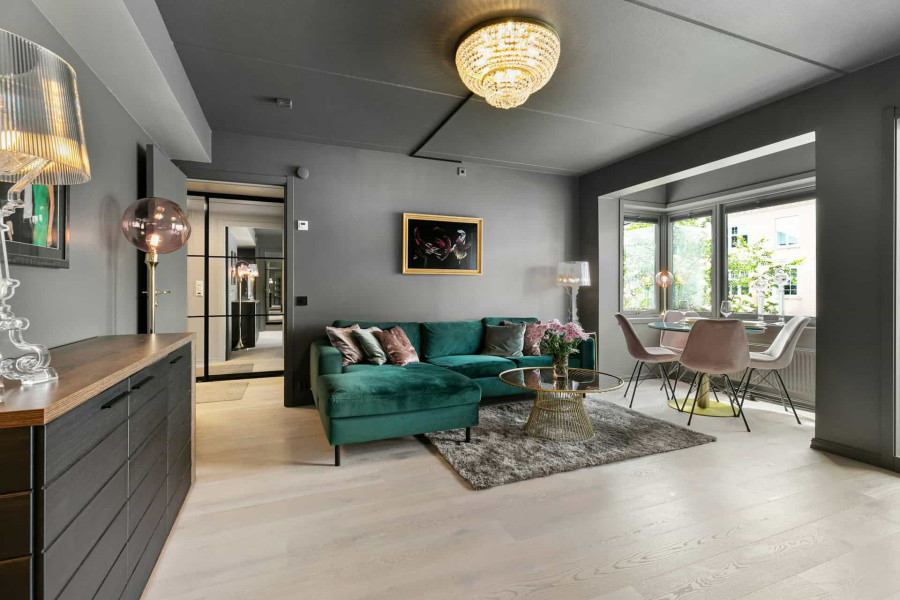
WRAP-UP!
Designing spaces with acoustic awareness is a long-term investment in mental health and productivity. In your own home, add textured materials such as thick rugs, fabric curtains, or broad-leafed indoor plants to help dampen outside noise.
Looking to feature your brand and business through Alinear Indonesia’s Smart Publication & Smart Activation? Share your experience and consult with us today. Click here!