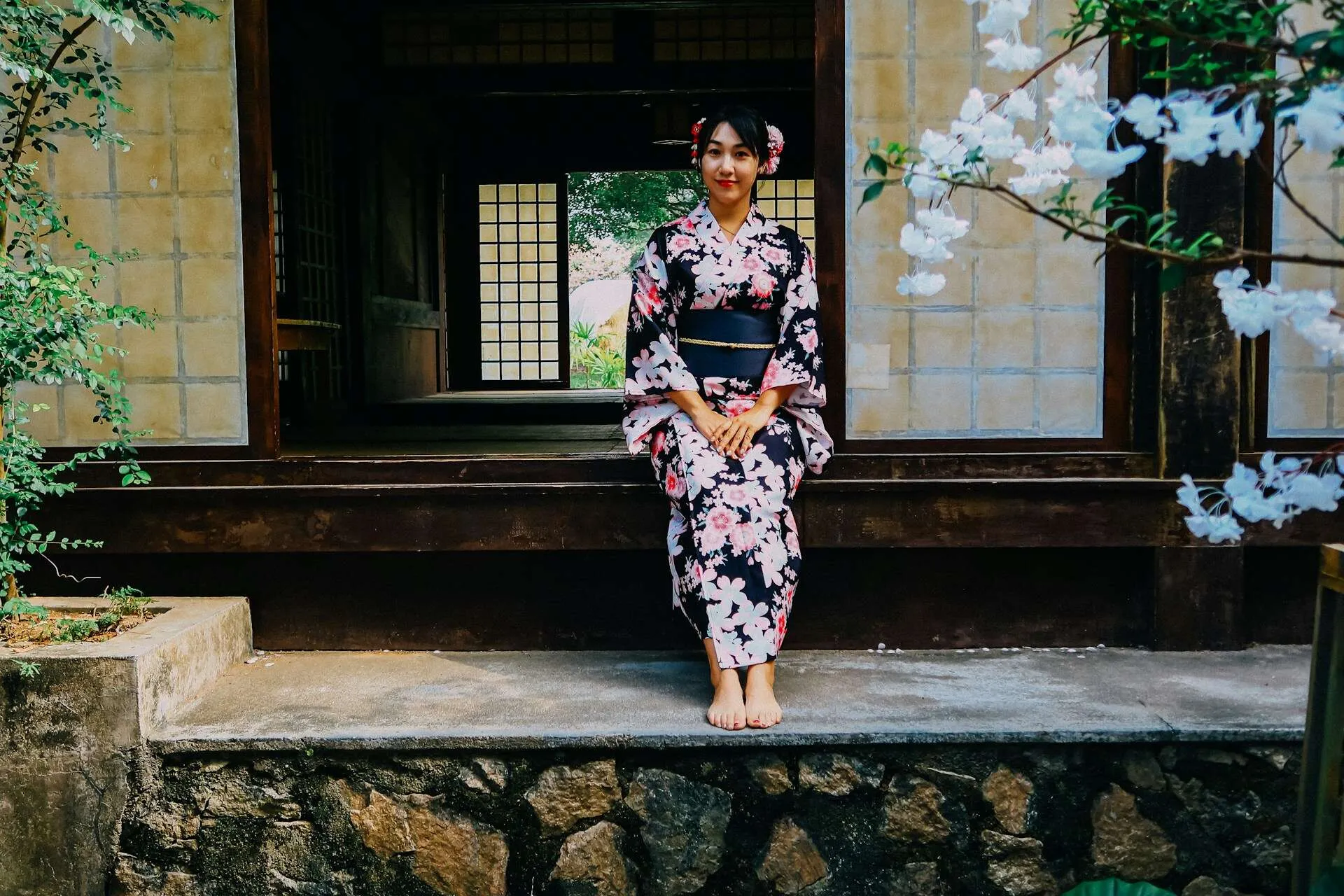

Photo by Jason Sung on Unsplash
In the Japanese aesthetic tradition, there is a profound concept called Mono-no-aware. Literally, it translates to "the pathos of things" or a sensitivity to the ephemeral. It is an awareness that everything in this world is impermanent—the falling cherry blossoms, the fading twilight, even the inevitable passage of time. Rather than yielding to sadness, this concept invites us to celebrate existence precisely because of its transience. Especially on a Sunday, we can apply this philosophy through the practice of The Aesthetics of Solitude.
"Being alone does not mean being lonely; it is the moment when you can finally hear your own thoughts without the world's interference."
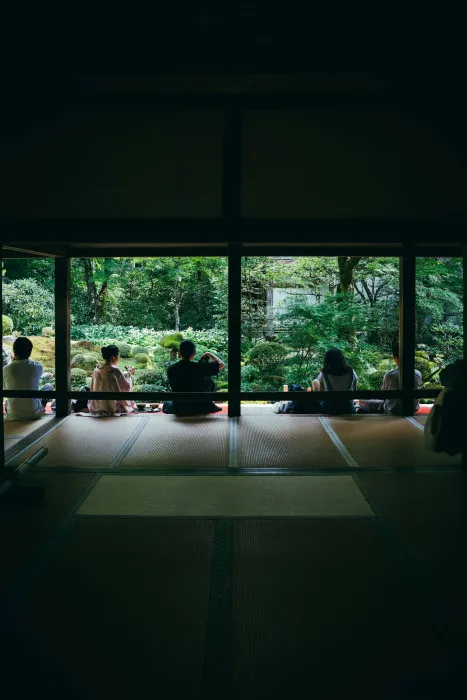
Modern culture often attaches a negative connotation to solitude, viewing it as isolation or loneliness. However, for the creative and reflective soul, solitude is the purest laboratory for self-discovery. Spending time alone—without social agendas or digital notifications—is a way to pay homage to our own existence. In the silence, our senses become sharper. We begin to notice the small details typically overlooked: the shift of a tree's shadow on the floor, the melody of the wind through a window crack, or the texture of a book's page.
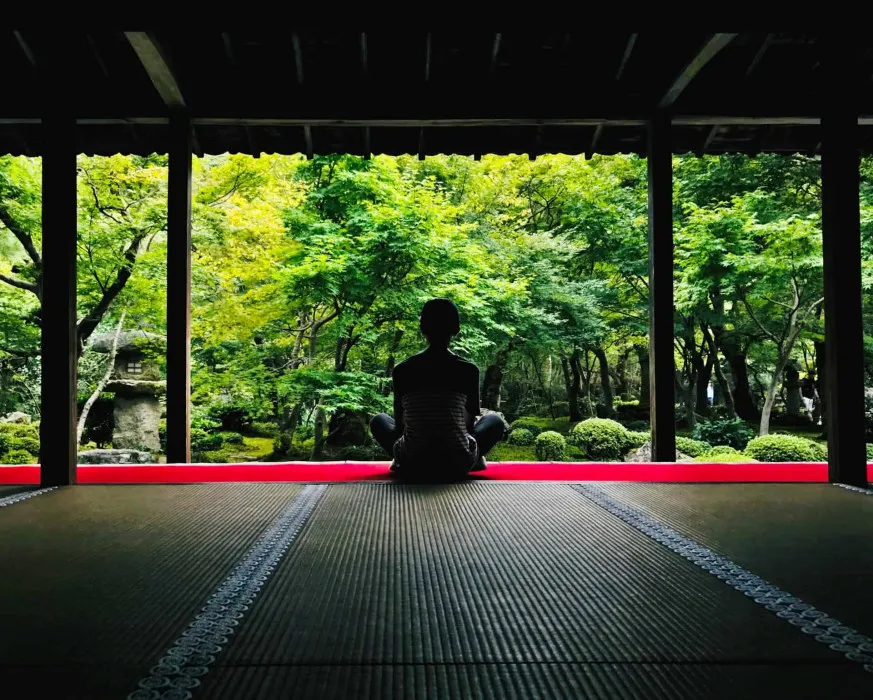
Photo by Hideki Nishiyama on Unsplash
Practicing Mono-no-aware in solitude helps us process emotions buried under a week's worth of work. It is a time to "replant" our psychic energy. Many great artists, writers, and thinkers discovered their most radical ideas when they dared to face themselves. Solitude provides the necessary distance to view life objectively. We realize that every moment, whether difficult or joyous, will pass, and that awareness makes us cherish the present even more.

Photo by Jason Sung on Unsplash
On your day off, do not feel guilty for choosing to be alone. Planned solitude is the highest form of self-care. It provides space for the soul to breathe and for the mind to organize fragments of experience into wisdom. In every second of solitude, we are celebrating life in its most honest, serene, and beautiful form.
"The most important relationship you need to nurture on a holiday is the one you have with yourself."
WRAP-UP! – Planned solitude is the nourishment for a creative soul. Dedicate at least 2 hours tomorrow to go somewhere alone without any productive goal; simply enjoy your own presence.