










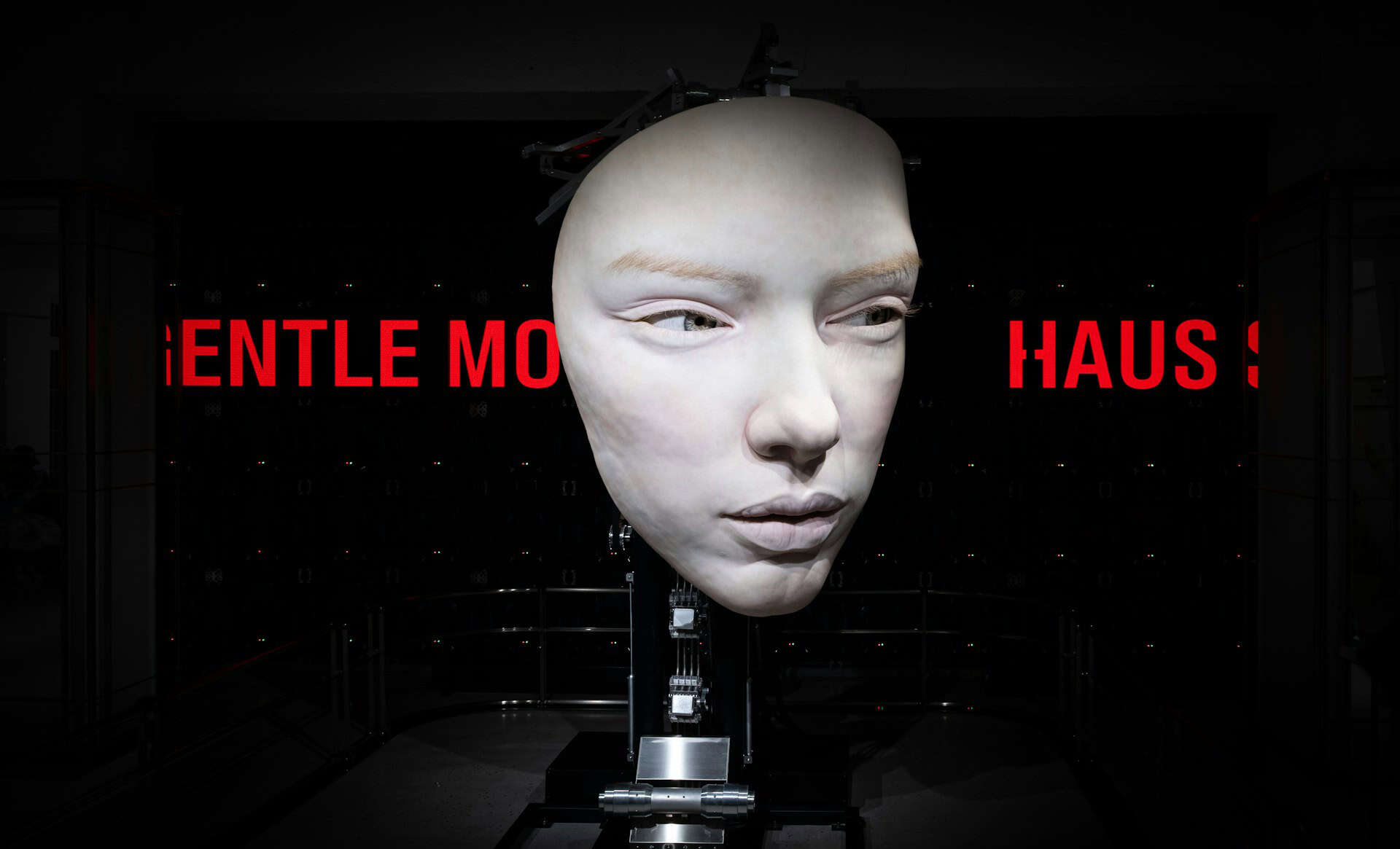
"Moving beyond the screen toward a future where digital data can be physically touched and felt."
Photo by Wesley Shen on Unsplash
Current technology has transcended the dominance of visual and auditory senses, entering the sensory realm long considered the "final frontier": the sense of touch. Advanced Haptic Feedback is no longer just a crude vibration on a handheld device; it is now a symphony of micro-vocalizations and air pressure capable of precisely mimicking physical textures within a digital space.
Through the use of piezoelectric actuators and ultrasound technology, smart devices can now provide subtle sensations of touch, from the roughness of virtual sand grains to the softness of silk on a flat screen. This evolution creates a much stronger emotional bridge between humans and machines, transforming interactions that were once cold and rigid into experiences that are kinesthetic and tactile.
"Touch is the language of honesty that algorithms are now beginning to translate into digital pulses."
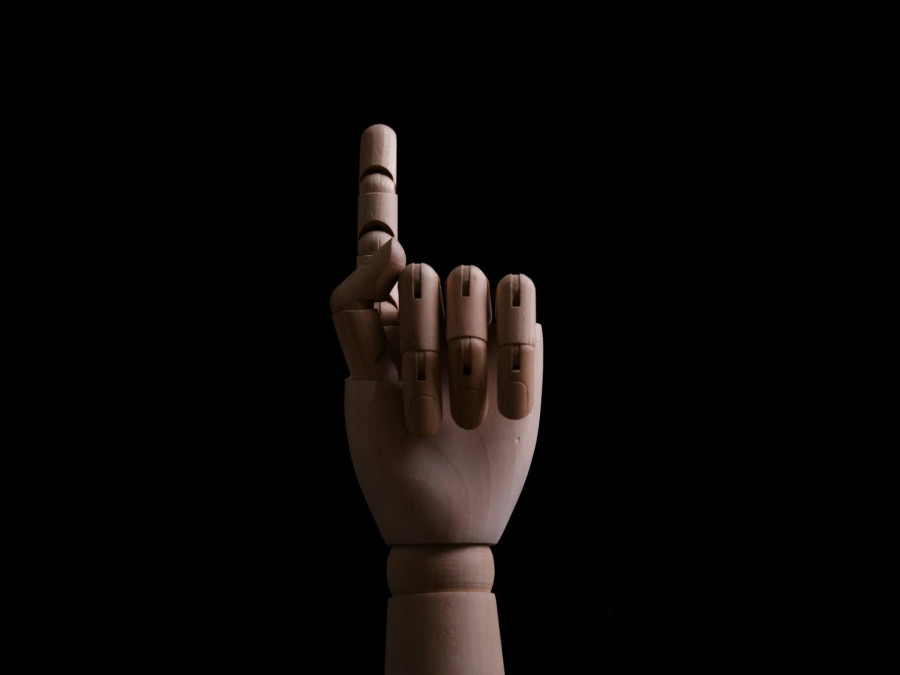
Photo by engin akyurt on Unsplash
The impact of this haptic technology is most evident in the worlds of creative design and remote medicine. A designer can now "feel" the resistance of materials while sculpting virtual objects in a digital workspace, allowing manual intuition to work in tandem with algorithmic precision. In the medical field, haptic sensors allow surgeons to feel the texture of a patient's body tissue through remote surgical consoles, providing a level of accuracy previously difficult to imagine.
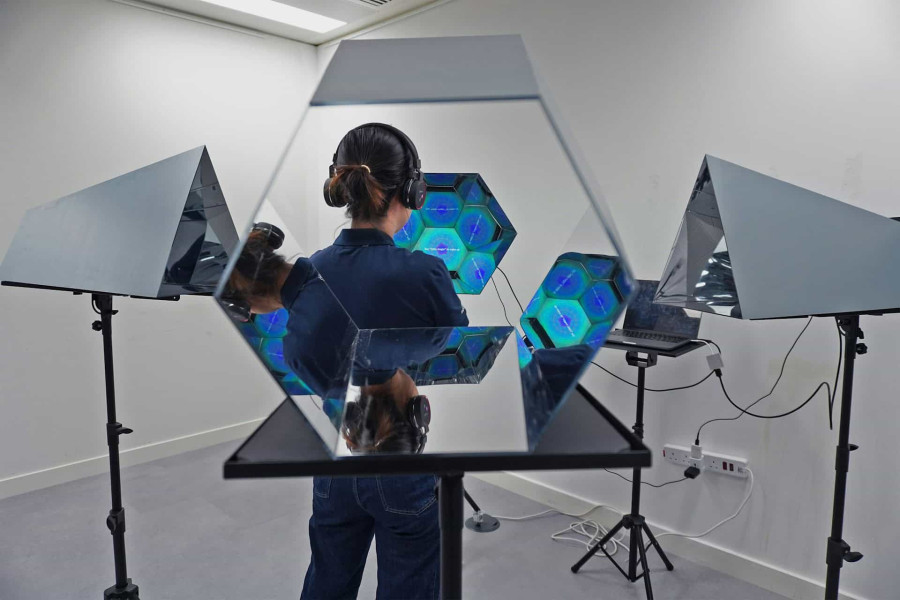
Beyond technical functions, a "Haptic Art" movement has emerged where artists use vibration as their primary medium of expression. These artworks are not seen or heard but experienced through skin contact, creating a sensory narrative that is deeply intimate and personal for every user.
"Haptic Art teaches us that beauty does not always have to be visible; sometimes it is more real when felt by the skin."

Moving forward, the integration of haptics into wearable devices is predicted to change how we receive information. Notifications will no longer be intrusive through sound or flashes, but through soft swipes on the wrist that mimic human touch, providing a warmer sense of presence amidst digital isolation.
Ultimately, haptic technology aims to humanize technology by restoring our sense of touch within the digital ecosystem. This is an acknowledgment that human understanding of the world is multidimensional. By adding the dimension of touch to data, we are moving toward a future where technology is not only seen or heard but also felt as an inseparable part of our physical experience.
WRAP-UP!
Reactivating the sense of touch in digital interaction is a major step toward more empathetic and human-centric technology. Start noticing how your devices respond to your touch; good tactile feedback can significantly improve your productivity and focus.
Looking to feature your brand and business through Alinear Indonesia’s Smart Publication & Smart Activation? Share your experience and consult with us today. Klik di sini!