









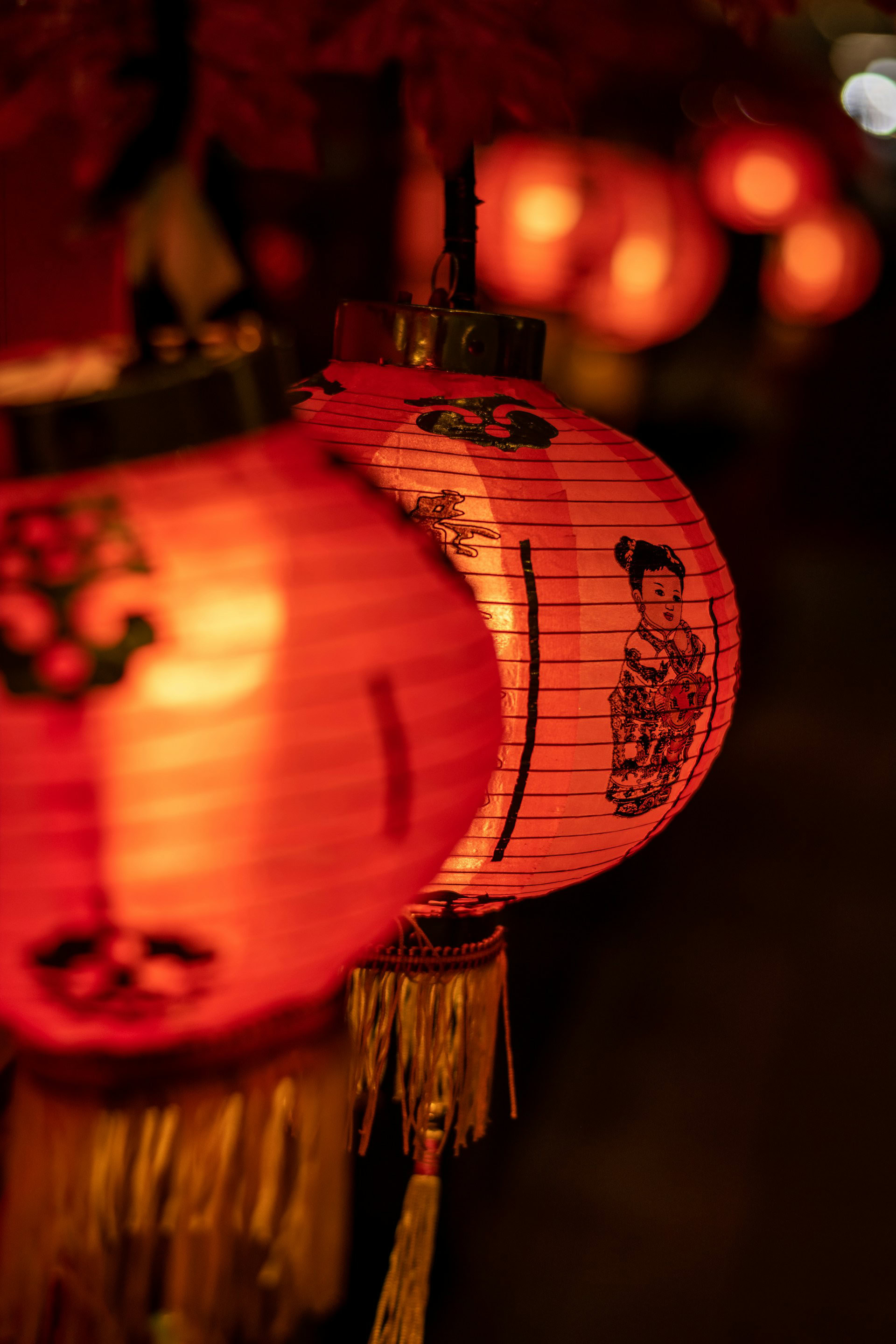
"Interpreting Imlek not merely as a festival of celebration, but as a rite of homecoming to one's roots and an alignment with the eternal rhythms of the universe."
Photo by Glenn Villas on Unsplash
The celebration of Chinese New Year, universally known as the Lunar New Year, is often simplified as a festival of fireworks, grand feasts, and the distribution of red envelopes. However, for those living within the arc of Chinese history and the global diaspora—including Indonesia—Imlek is a sacred monument of time. It is the solar turning point marking the arrival of spring (Chun Jie), a transition from the stasis of winter to the budding of new life. Philosophically, Imlek is a celebration of organic resilience: an acknowledgment that after every period of darkness and cold, nature possesses an inherent mechanism for restoration.
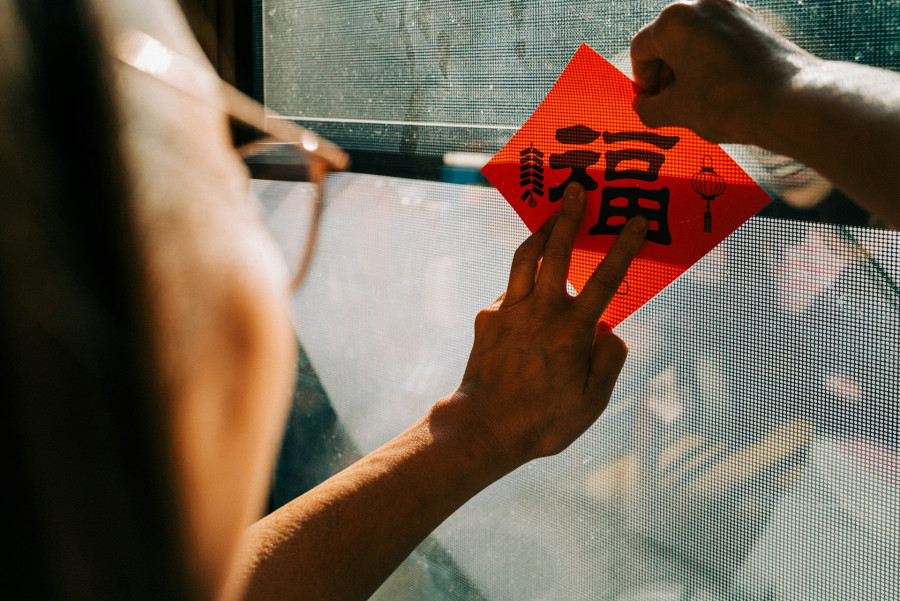
Photo by Steve Long on Unsplash
Etymologically, "Imlek" in Hokkien means the "Lunar Calendar." This dating system is the result of the ancestors' meticulous observation of astronomical cycles and agrarian needs. In the past, human life depended entirely on nature's mercy. Imlek became the moment when farmers temporarily laid down their plows, paying homage to heaven and earth, giving thanks for the past harvest while seeking blessings for the upcoming planting season. This is the essence of food sovereignty and the reciprocal relationship between humans and the soil they walk upon. In our digital modern era, celebrating Imlek is our way of "re-downloading" the awareness that we are still earthly beings bound by the laws of nature.
"Behind the glow of red lanterns and the thundering firecrackers lies an ancient promise of the earth's fidelity to always give birth to new life."
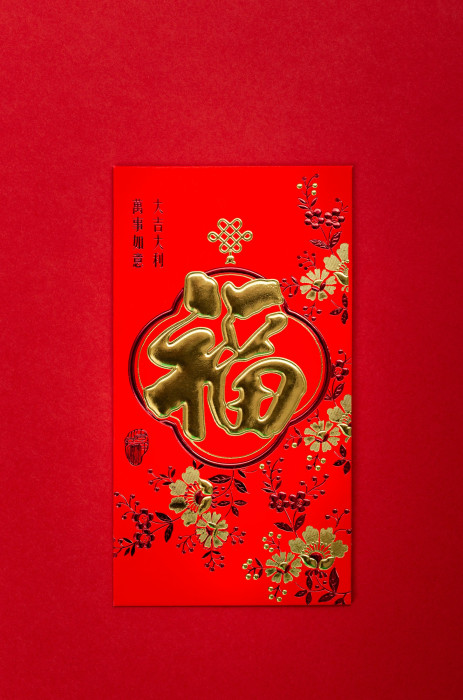
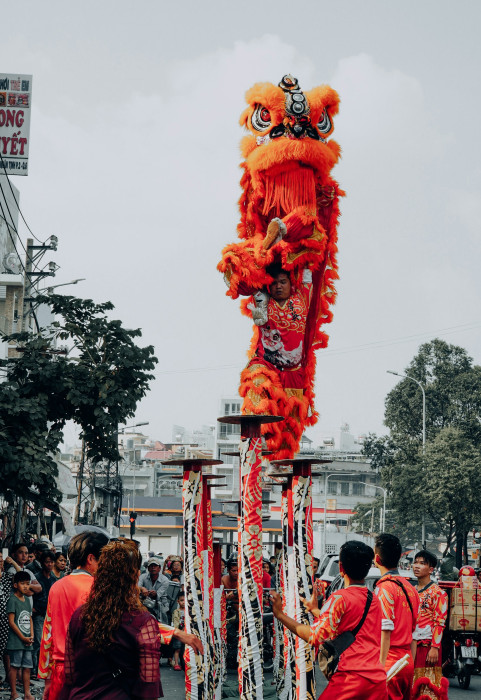
The rituals accompanying Imlek are filled with tactile symbolism rich in meaning. Cleaning the house before the big day, for example, is not merely a routine of domestic sanitation. In Chinese cosmology, dust is considered an accumulation of bad luck and negative energy from the past. Sweeping away dust means clearing the inner space to receive new blessings. Similarly, the dominance of the color red is not just about luck; red is the symbol of fire, courage, and the vitality of life capable of driving away Nian—the mythological monster representing fear and the threat of famine. Here, we see how culture utilizes visual aesthetics as a psychological shield to build collective optimism.
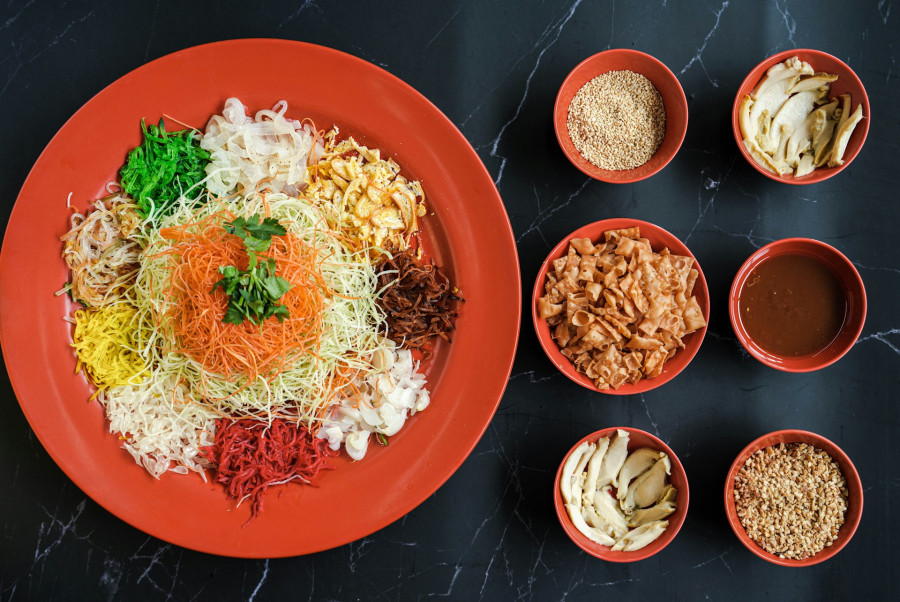
Photo by Bytes for Food on Unsplash
The family Reunion Dinner on the eve of the New Year is the core of the entire celebration. At that table, social hierarchies dissolve, replaced by the warmth of connection. The serving of food is arranged with philosophical precision: fish symbolizing surplus abundance (Yu), long noodles symbolizing longevity, and mandarin oranges whose color resembles gold. Every bite is a prayer manifested in physical form. For the Chinese community in Indonesia, this celebration is also a living testament to cultural acculturation and resilience. On that dinner table, we often find a blend of ancestral traditions and Nusantara spices, creating a hybrid identity that is both harmonious and inclusive.
Deep down, Imlek is about honoring roots. The tradition of Pai or paying respect to parents and ancestors is a reminder that no tree can grow tall without roots anchored deep in the earth. In an increasingly individualistic world, Imlek compels us to go home—both physically and spiritually. It teaches us about lineage, intergenerational responsibility, and the importance of preserving the heritage of values amidst volatile times. Honoring elders is not just about etiquette; it is an acknowledgment that wisdom is an accumulation of time that cannot be bought with material wealth.
Yet, the most crucial aspect of Imlek philosophy is the concept of "New Opportunity." Every new year brings a different zodiac sign (Shio), each carrying a specific energetic character. This trains humans to be adaptive. We are taught that every year has its own challenges, and the wisdom of living lies in how we align our steps with the energy of that year. Imlek provides the necessary "pause" to evaluate last year's failures not as a curse, but as compost for future growth. This is a powerful form of mental resilience: the ability to always see a light at every turning cycle.
In Indonesia, the celebration of Imlek has become an inseparable part of the fabric of diversity. It no longer belongs to just one group but has become a national cultural treasure valued by all layers of society. The tolerance created when neighbors from various backgrounds enjoy Kue Keranjang together is proof that culture has the power to unite differences. On this Tuesday, as red lanterns sway in the wind in various corners of the city, we are reminded that our humanity is much larger than the partitions of identity. Imlek is a universal celebration of love, hope, and the belief that tomorrow will always bring the warmth of a new spring.
"Valuing the tradition of Imlek means learning to love time not as an exhausting straight line, but as a circle that always provides the opportunity to begin again."
WRAP-UP!
Lunar New Year is a cosmic reminder of the importance of maintaining harmony between humanity, nature, and history. It invites us to slow down our tempo, respect our roots, and face the future with mature courage. Even if you do not celebrate it ritually, take a moment to reflect on your own personal "spring." What do you want to plant this year? Use this energy of renewal to clear your mental space of past worries and begin walking with stronger integrity.
Happy Lunar New Year 2577 (Year of the Fire Horse)!