

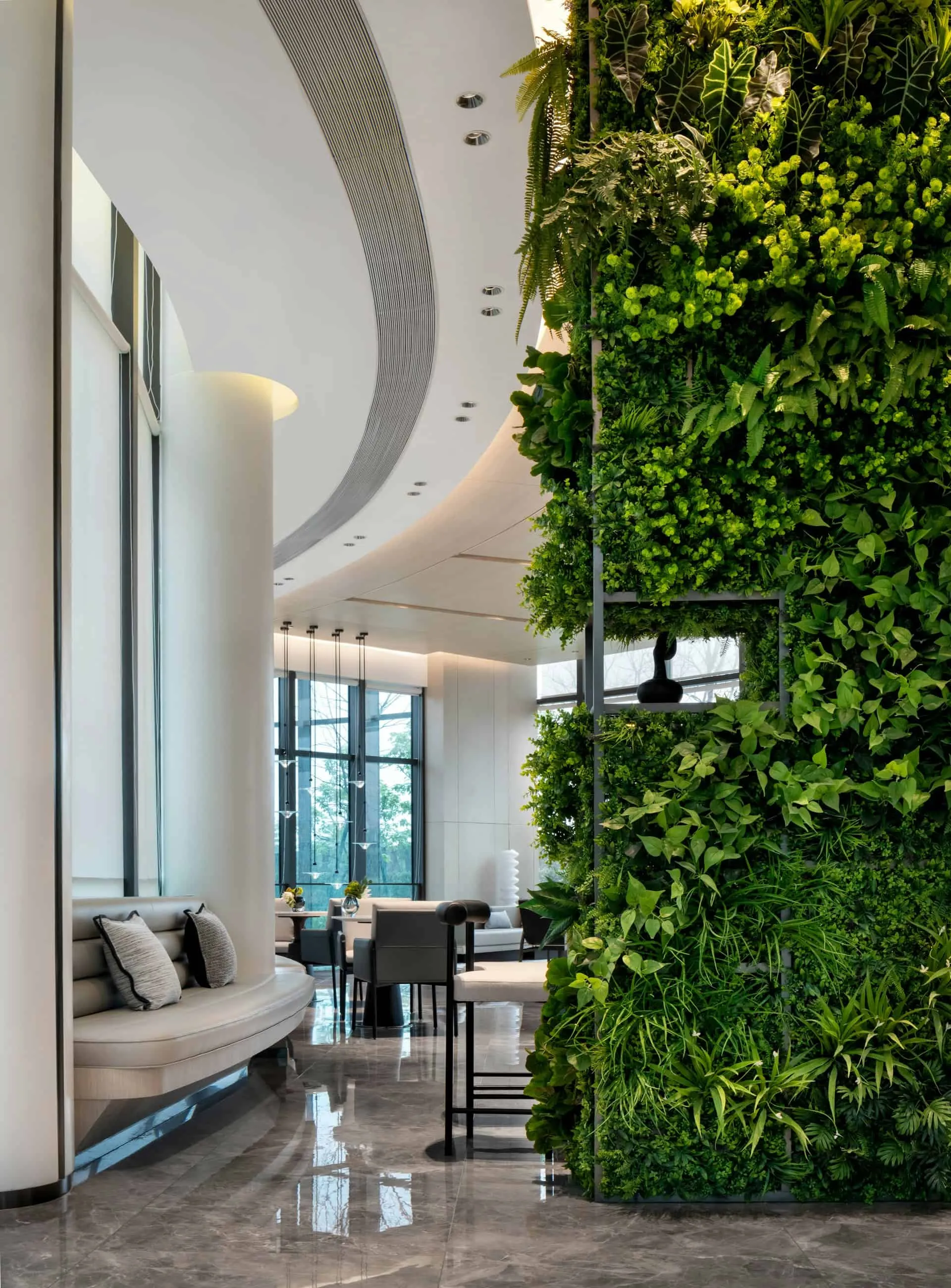

Photo by eran design on Unsplash
The exploration of construction materials in 2026 has reached a radical turning point. Leading architectural laboratories are shifting away from conventional cement toward the use of mycelium—the complex root structure of fungi—as a primary building material.
Mycelium possesses the extraordinary ability to grow on agricultural waste, transforming organic remains into dense structures that are strong, fire-resistant, and offer excellent thermal insulation. Mycelium infrastructure offers a real solution to the massive carbon footprint produced by the cement and steel industries. Buildings using this material are no longer permanent in a destructive sense; instead, they are fully biodegradable after their lifespan ends, creating a truly circular building life cycle.

Photo by Danist Soh on Unsplash
"Building a city is no longer about casting concrete, but about growing structures that breathe and return to the earth."
In an urban context, the use of mycelium bricks is being applied to public pavilions, street art installations, and interior elements of green office buildings. Its organic texture provides a warm and soothing tactile sensation—a stark contrast to the coldness of concrete or glass surfaces that dominate major cities.
Another advantage is mycelium's natural ability to absorb air pollutants and dampen noise, making it an ideal material for creating biologically healthier urban environments. In 2026, architecture is no longer about building monuments that defy nature, but about "planting" structures that work in harmony with the local ecosystem.

Photo by Steffen Lemmerzahl on Unsplash
"The future of architecture is about cities that do not just house humans, but also regenerate the nature around them."
The city of the future will look and feel profoundly different. With mycelium, we are not just building shelters; we are reviving ecological functions at every street corner. This is the pinnacle of bio-fabrication, where human technology synergizes with nature's intelligence to create living spaces that are sustainable, healthy, and full of soul.

Photo by eran design on Unsplash
WRAP-UP!
Mycelium proves that waste can become the foundation for a greener and more humane civilization. Start looking at mycelium-based furniture or home decor as a first step toward supporting a circular economy in your home.
Looking to feature your brand and business through Alinear Indonesia’s Smart Publication & Smart Activation? Share your experience and consult with us today. Click here!
![Alinear Indonesia [Brand/Business Registration] Smart Publication & Smart Activation](https://www.alinear.id/assets_web/images/qr-codes/3e23e7dab43d2e72854ba48a3a09cf75.jpg)