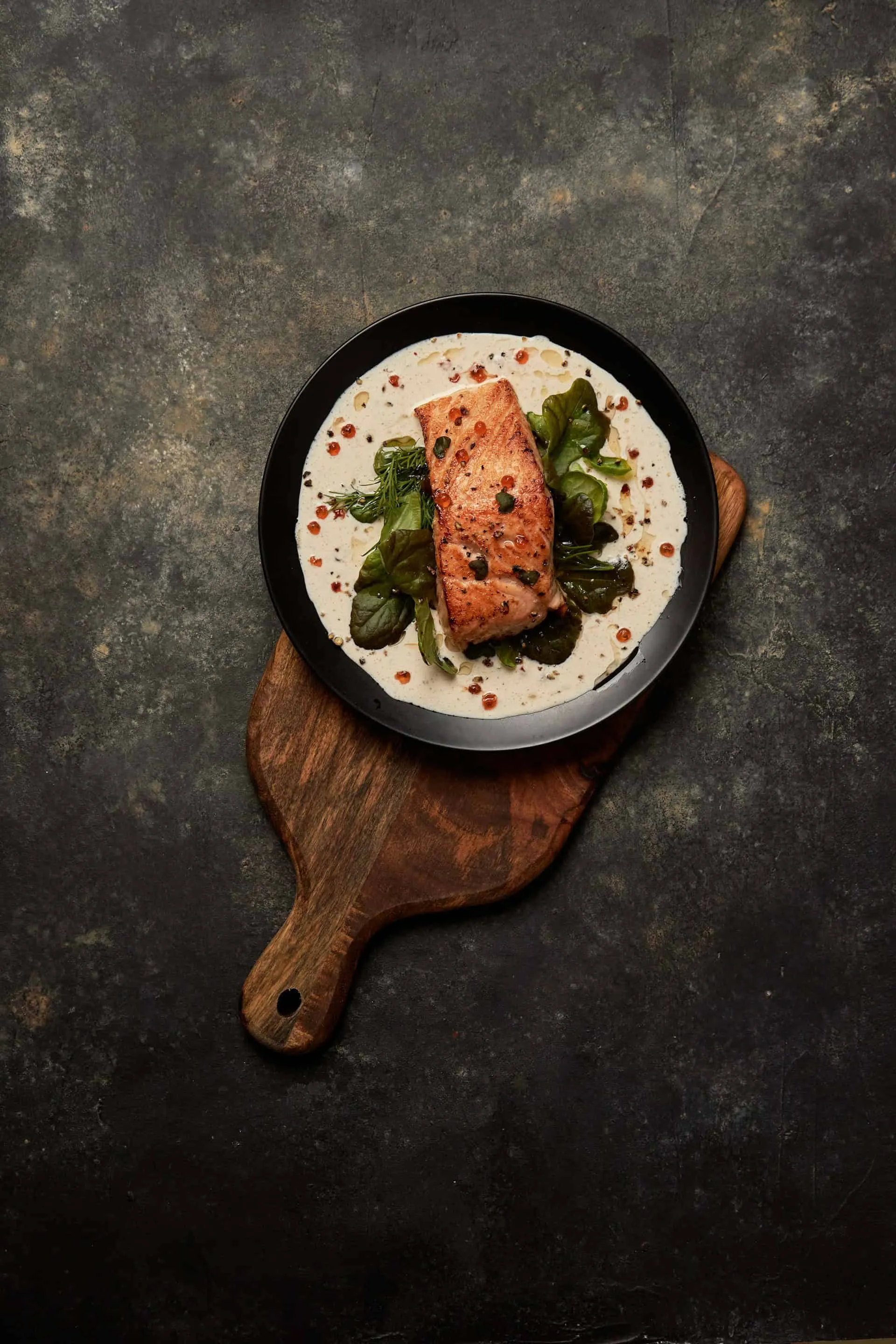

Photo by Vadim Markin on Unsplash
Molecular Gastronomy has transformed the kitchen from a conventional cooking space into a laboratory of creativity that defies common sense. This movement focuses on the scientific investigation of cooking processes to understand why food ingredients change flavor and texture when processed in certain ways. In the hands of visionary chefs, these techniques are used to deconstruct classic dishes. Imagine savoring the rich flavor of tomato soup in the form of tiny "eggs" that burst on the tongue (spherification), or experiencing the forest's aroma emerging from a light foam that vanishes instantly (foam). It’s not just about a futuristic appearance, but about extracting the purest essence of flavor and presenting it in unexpected ways.
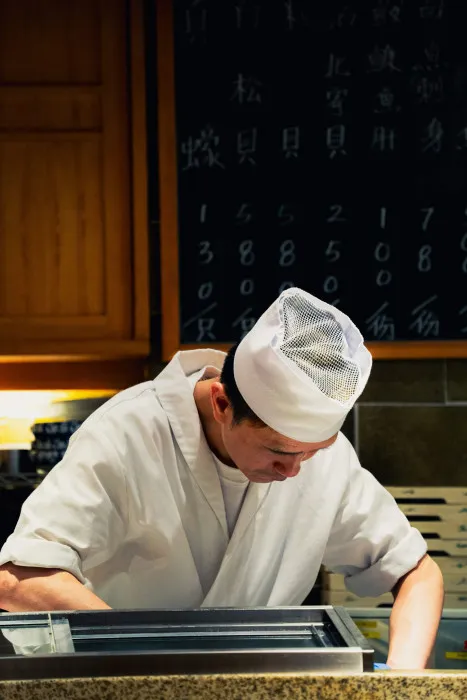
Technically, the use of tools like rotary evaporators, centrifuges, and liquid nitrogen has become common. Liquid nitrogen, for instance, allows for instant cooling to extreme temperatures, creating ultra-smooth ice cream textures without coarse ice crystals, or making hot food crispy on the outside while remaining tender inside. The Sous-vide technique (cooking in vacuum-sealed bags at a constant low temperature) ensures that proteins like meat or fish reach perfect doneness at a cellular level, preserving moisture and nutrients typically lost in ordinary searing or frying. Here, a chef must possess the precision of a scientist; a single degree of temperature difference can mean failure in achieving the desired texture.
"Cooking is applied chemistry; molecular gastronomy is the art of surprising the palate by transforming the physical form of food without losing the essence of its flavor."

Photo by Klara Kulikova on Unsplash
However, the core of molecular gastronomy isn't just about high-tech gadgets; it's about the psychology of taste. Chefs play with the visual perception and sensory memory of guests. When someone sees something that looks like an olive but tastes like intense chocolate, the brain experiences a dissonance that triggers curiosity and emotional pleasure. This is what’s known as a "multisensory dining experience." Every dish is designed to stimulate not just the tongue, but also the nose through injected aromas, the ears through crunchy textures, and the eyes through presentations resembling abstract art. Culinary art at this level is an intellectual performance that values the courage to experiment.
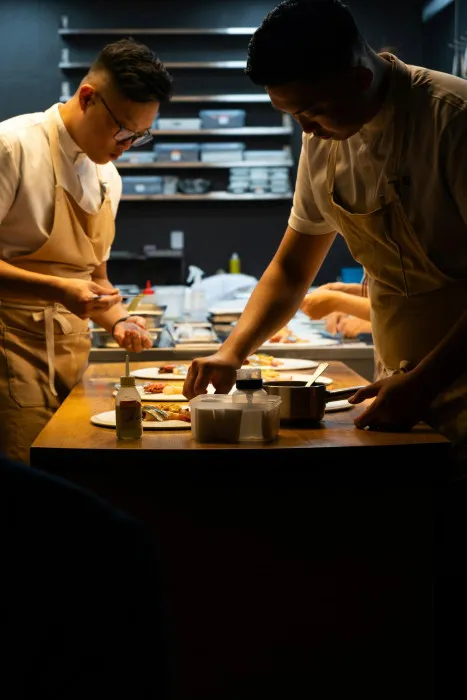
Photo by Harrison Chang on Unsplash
Although often regarded as an exclusive trend for fine dining restaurants, the principles of molecular gastronomy have begun to seep into the mass food industry and home kitchens. An understanding of emulsions, temperature stabilization, and flavor extraction has helped the industry create healthier products without sacrificing enjoyment. For culinary enthusiasts, understanding the scientific side of food adds a deeper layer of appreciation for what is on the plate. We learn that food is not just about satiety, but about the magic of molecular reactions dancing in harmony, creating small moments of happiness triggered by human intelligence in processing nature.
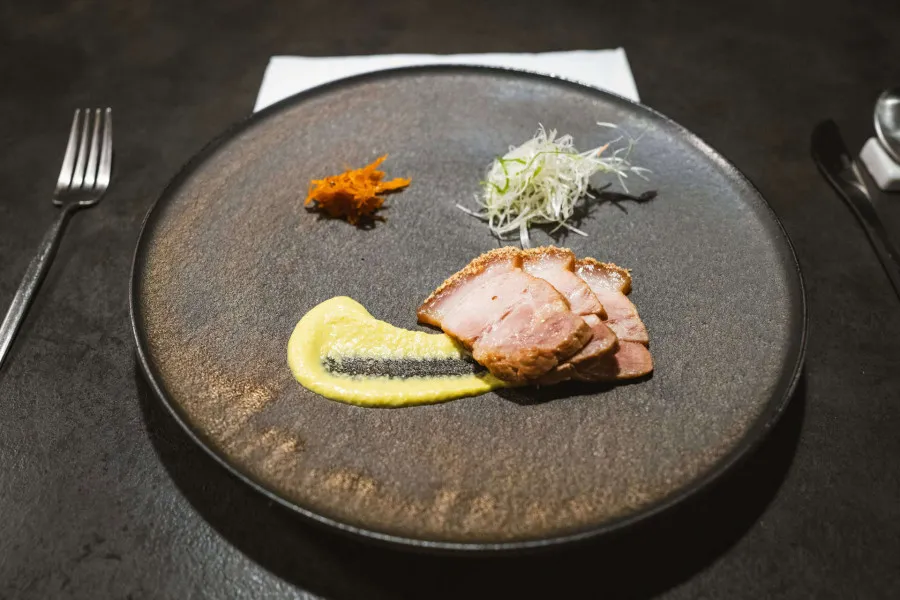
Photo by Sung Jin Cho on Unsplash
"True beauty in flavor is found when we stop seeing food as solid objects and begin seeing it as a dynamic flow of energy and molecules."
Wrap-Up!
Molecular gastronomy is the pinnacle of human curiosity regarding the most fundamental elements of life. When visiting a restaurant that offers an experimental menu, try closing your eyes for a moment while tasting the dish; let the texture and temperature changes speak louder than its physical appearance. Hungry for more insights on flavor innovation and modern lifestyle trends? Explore our curated articles at alinear.id!