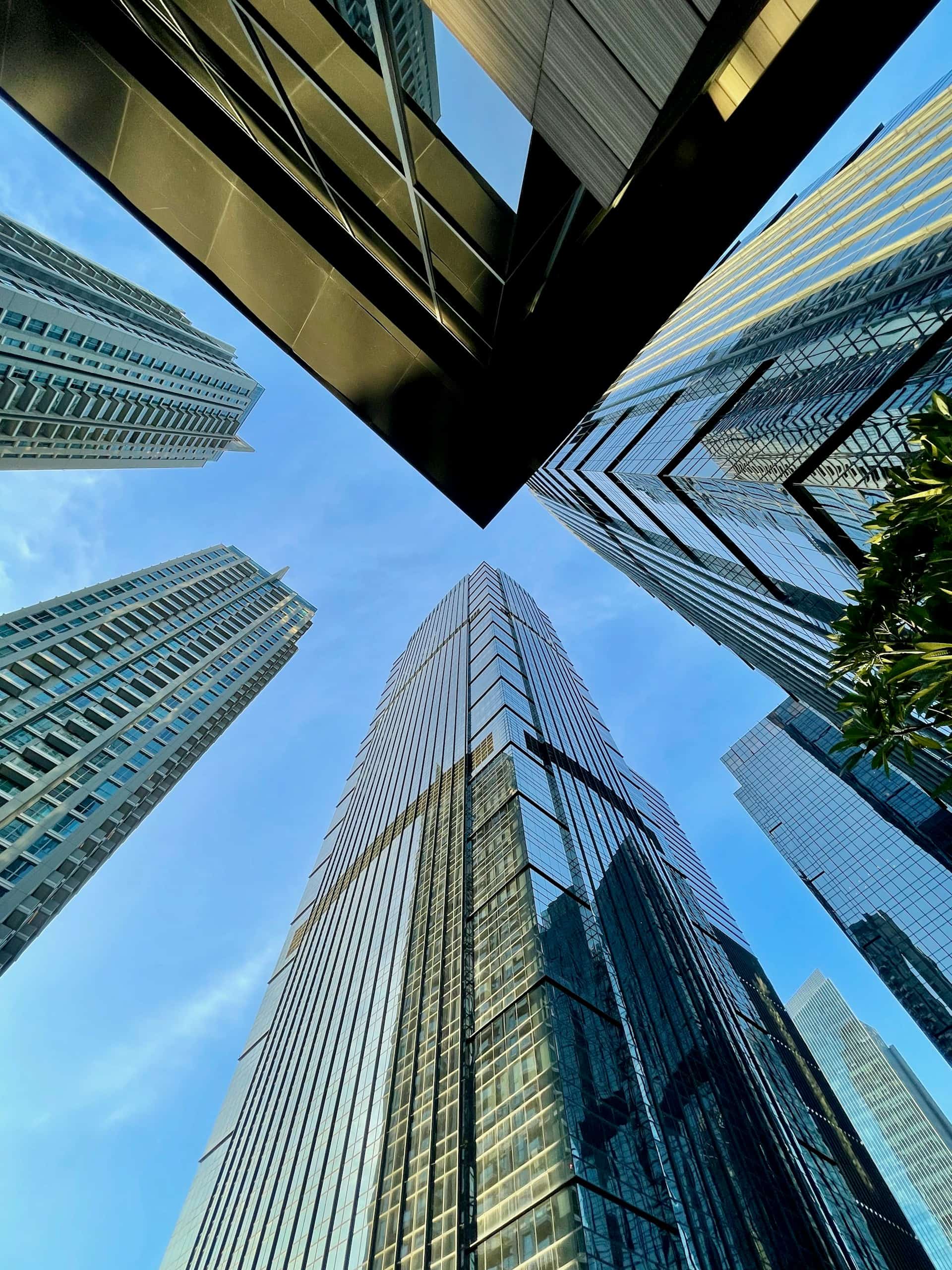










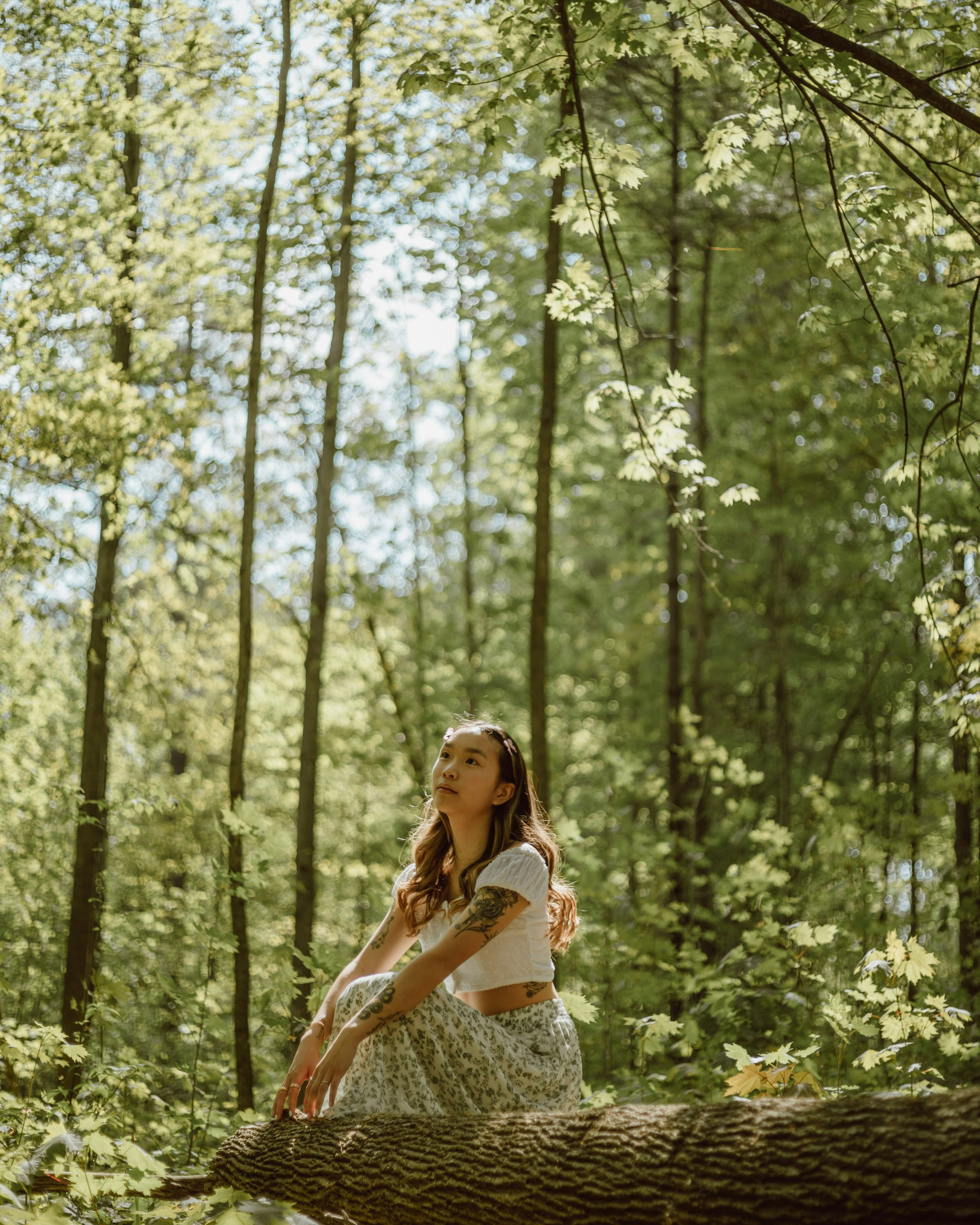
"Why moving less and staying longer is the key to gaining transformative experiences that go beyond mere visual documentation."
Photo by Jasmin Chew on Unsplash
In a fast-paced world obsessed with efficiency, the tourism industry often turns into a hurried destination shopping list. We get caught in a "check-list" cycle where the quantity of photos on social media is deemed more valuable than the quality of the experience itself. However, amidst this clamor, a Slow Travel movement has emerged, inviting us to pause, lower our tempo, and truly be "present" in the places we visit.
Slow travel is not about how much distance we cover, but about how deeply we interact with our surroundings. It is the antithesis of the lightning tour; a commitment to choosing to stay in one city or village for an entire week rather than visiting five different cities in the same duration. By slowing down, we allow our senses to catch the small details usually missed: the aroma of spices in the local market in the morning, the rhythm of residents' conversations in a corner coffee shop, and the shift of sunlight touching the architectural facades of old buildings.
"The richest travel is not measured by how many passports we stamp, but by how many stories we bring home to our hearts."
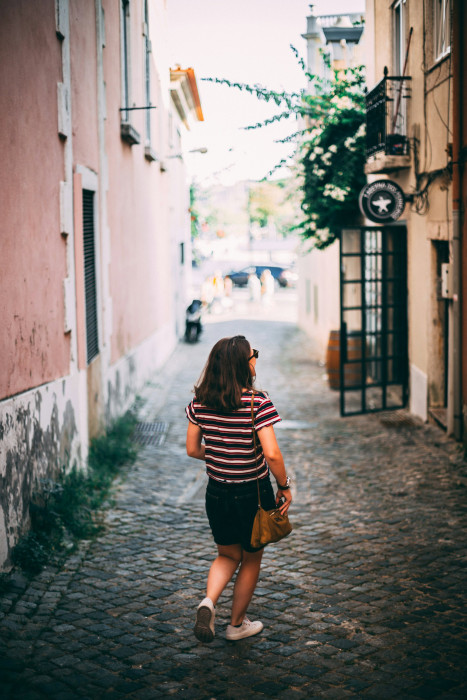
Photo by Elio Santos on Unsplash
Technical Exploration: From Tourist to Guest
Technically, implementing a global slow travel guide involves a lifestyle shift. This starts with choosing accommodations with local roots—such as homestays or family-owned inns—rather than uniform international hotel chains. Using public transportation, bicycles, or simply walking becomes the primary method of exploration. This is not just an effort to minimize our carbon footprint as a form of sustainable tourism, but also a way to maximize human interaction.
When we are no longer bound by a rigid schedule, we become more open to unexpected "small miracles." We begin to have the time to learn a few phrases of the local language, understand the historical context of a place directly from the locals, and appreciate authentic cuisine whose preparation takes time. Slow travel fundamentally changes our identity: we are no longer just "tourists" consuming sights, but "guests" who are respectful of local cultural sovereignty and privacy.
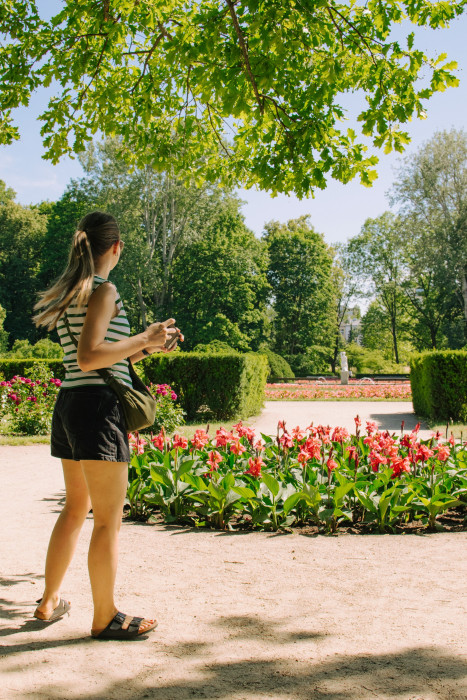
Photo by Konrad Nowacki on Unsplash
Mental Restoration and Soul Connection
The psychological impact of slow travel is a total mental restoration. Many people return from conventional vacations feeling exhausted due to packed schedules and complex logistics. In contrast, slow travel practitioners return feeling "full" and inspired. This journey becomes a sacred space for self-reflection, breaking the chain of digital noise, and reconnecting with nature and humanity.
In the long run, these deep experiences are what shape our perspective on the world’s differences. We learn that this world is too beautiful and complex to be glimpsed only from behind a tour bus window; it needs to be felt, heard, and understood with sincere patience. Slow travel teaches us that the meaning of a journey is not found at the final destination, but in every small conversation and slow step we take along the way.
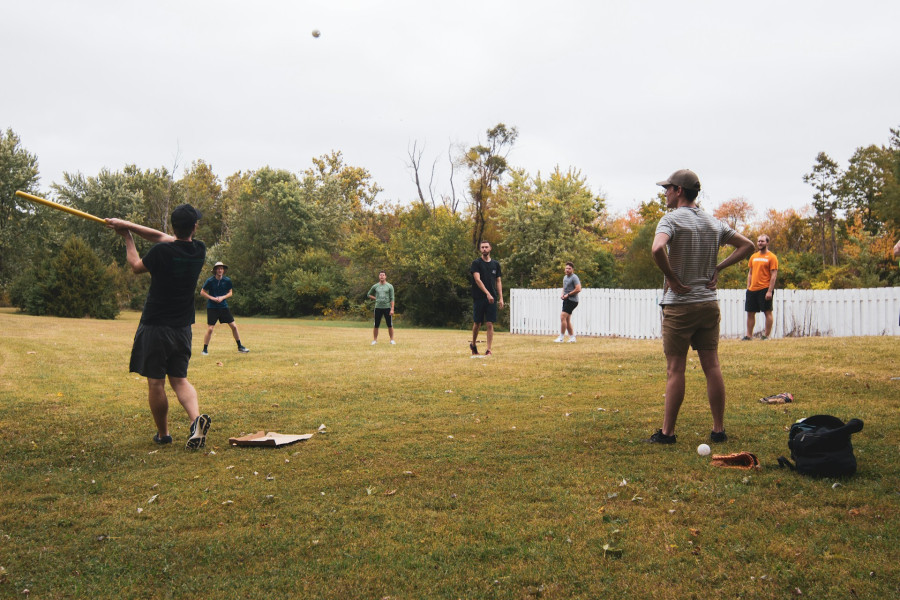
Photo by Zach Reiner on Unsplash
"Don't rush to chase the next sunset; enjoy the beauty of where you stand right now before it becomes a memory."
WRAP-UP!
Slow travel is the art of tasting the world sip by sip for a more lasting and sustainable satisfaction of the soul. On your next trip, try not to make an agenda for one full day. Pick a bench in a park or a local café, sit there for a few hours, and watch how local life revolves around you without intervention.