









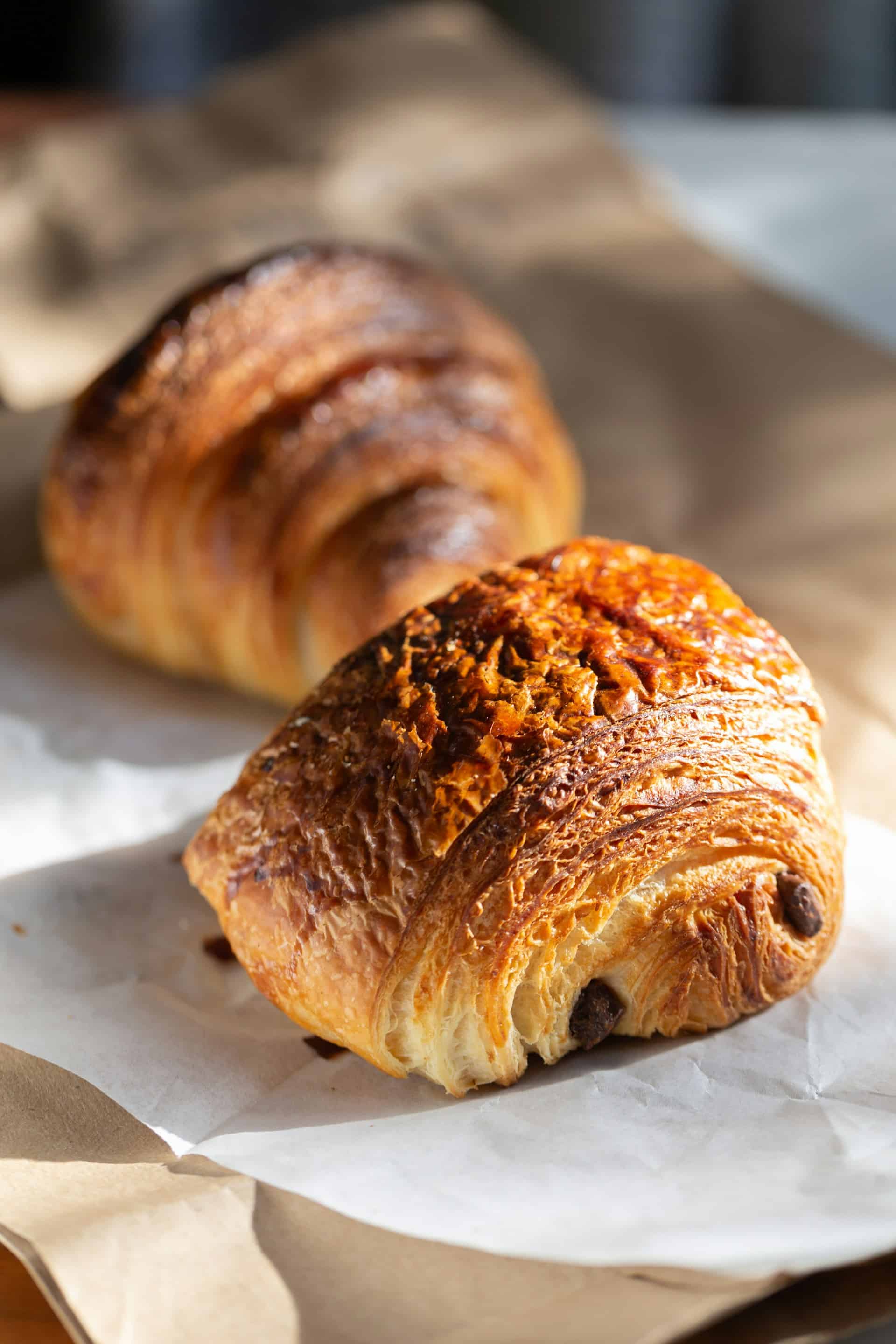
"Exploring the science of honeycomb structures and the mathematical folds that define the world's premium pastry standards."
Photo by Nicholas Doyle on Unsplash
When we bite into a perfect croissant, the audible shatter of its outermost layer is no mere accident. It is the result of a highly complex technical process known as lamination. Within the category of Gastronomy, creating laminated dough is considered one of the highest achievements for a pastry chef. It is the intersection where visual art meets food physics and chemistry with absolute precision.
Urban society has become increasingly appreciative of the process behind their food. The burgeoning phenomenon of artisanal bakeries in major cities shows that consumers are no longer just looking for sweetness, but for texture, high-quality butter aromas, and a visual aesthetic that rivals architectural masterpieces. To understand Pastry Art is to understand how patience is tested through thousands of dough folds that must be maintained at very specific temperatures.
"In the world of pastry, precision is not just a number; it is the harmony between butter temperature and gluten elasticity that creates thousands of crispy layers in a single bite."
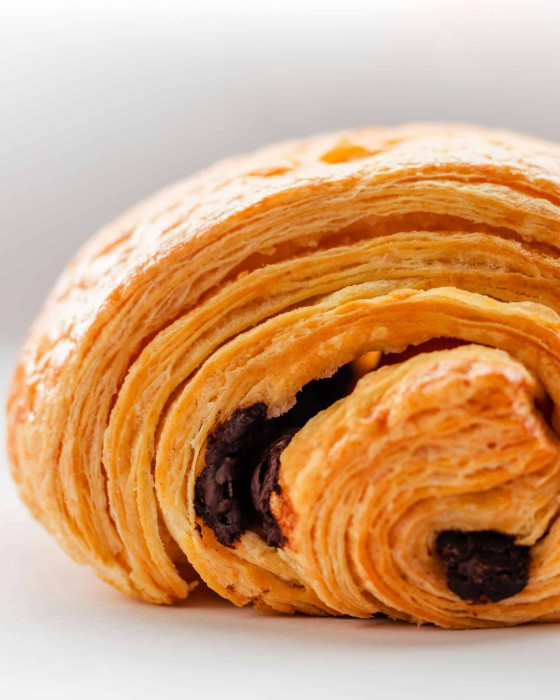
Photo by jonathan ocampo on Unsplash
A War Against Temperature
At the heart of laminated dough is the process of folding the base dough (détrempe) with a block of butter (beurrage). The primary challenge is keeping the butter solid yet pliable enough to be rolled with the dough without breaking or melting into the flour fibers. If the butter is too cold, it will shatter; if it is too warm, it will be absorbed into the dough, and you will end up with ordinary bread rather than layered pastry.
This process requires strict environmental control. In a professional kitchen, cold marble tables and air-conditioned rooms are absolute prerequisites. The folding technique—whether a single turn or a double turn—determines how many layers are formed. Mathematically, a classic croissant can have dozens to hundreds of micro-layers separated by fat. During baking, the water content in the butter evaporates, creating steam pressure that lifts the thin layers of dough, resulting in the legendary honeycomb effect.
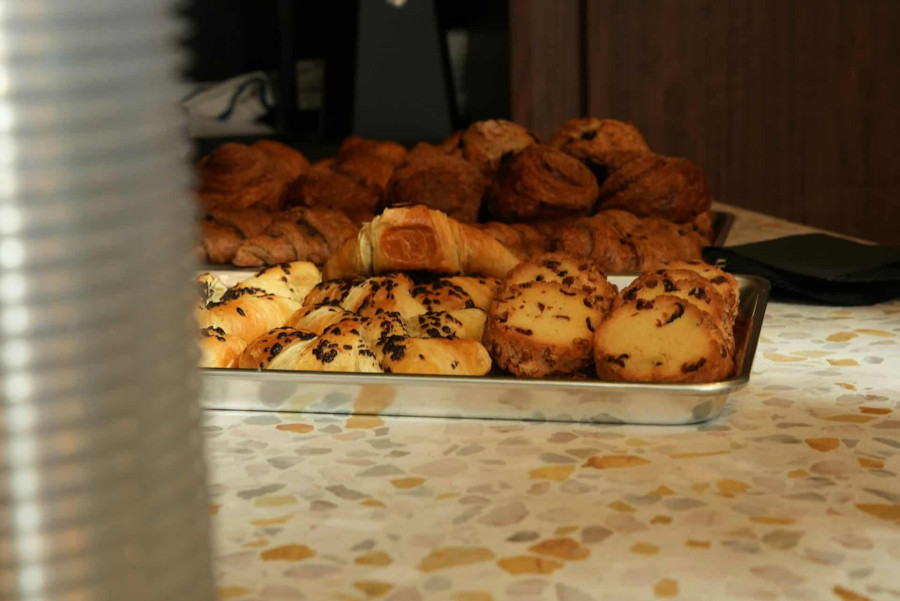
Photo by sofia inductgroup on Unsplash
Modern Patisserie Aesthetics: Beyond the Classic Croissant
Innovation in Pastry Art continues to evolve. We now see the rise of the Cruffin (Croissant-Muffin), the Cube Croissant, and bi-color pastry techniques that use cocoa powder or fruit extracts to create visually contrasting striped patterns. Each of these innovations demands an even deeper understanding of dough stability.
A modern Gastronomy practitioner focuses not only on taste but also on the "architecture" of the food. How a pastry remains sturdy enough to hold a ganache filling yet remains fragile to the tooth. The use of raw materials like AOP (Appellation d'Origine Protégée) butter from France is no longer just about prestige; it is a technical necessity due to its stable melting point and rich aromatic profile. This is where Gourmet Bites finds its new standard.
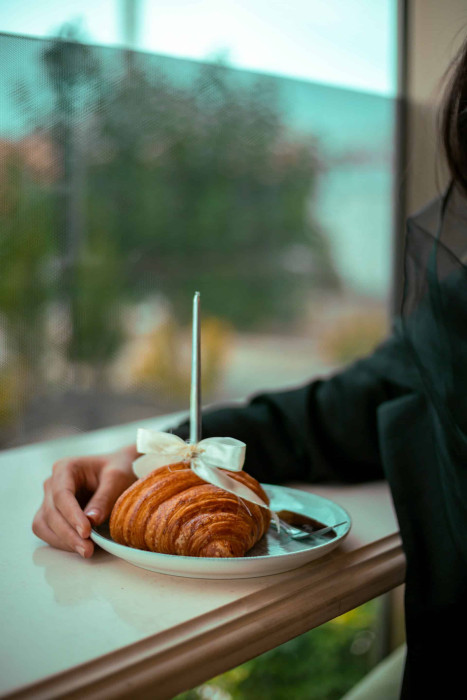
Photo by Sina Malek on Unsplash
Industry Dynamics and Urban Consumption Culture
The culture of consuming pastries has shifted from a quick breakfast to a lifestyle ritual. Restaurants and cafes now position Pastry Art as the main attraction or the centerpiece of their menus. Consumers are willing to queue for freshly baked products because they understand that laminated dough has a very short shelf life for its peak texture.
Social media has accelerated this trend. A visual of a perfectly sliced croissant interior, showcasing its honeycomb structure, serves as a quality validation for a bakery. This encourages healthy competition among bakers to continuously improve their techniques, keeping the global patisserie world dynamic and full of flavorful surprises.
Dedication in Every Fold
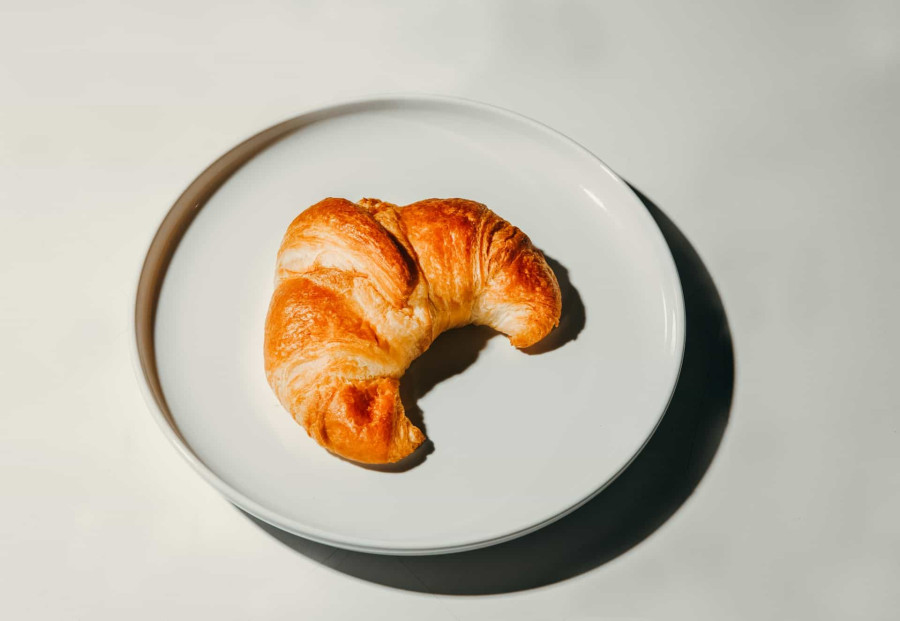
Ultimately, Pastry Art is about respect for ingredients and time. There are no shortcuts to creating extraordinary laminated dough. Every layer is a testament to the dedication of a chef willing to spend hours—even days for the cold fermentation process—for a momentary yet profound satisfaction for the connoisseur.
"A perfect layer is the result of measured patience; where every fold carries a narrative of dedication from the cold kitchen to the warmth of the serving table."
WRAP-UP!
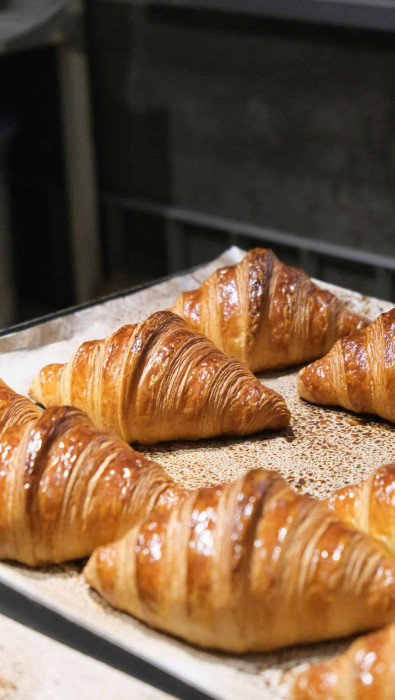
Lamination technique is the pinnacle of patisserie expertise, combining technical precision with artistic beauty. When you enjoy a croissant tomorrow morning, pay attention to its layers. If you see a uniform, hollow structure, you are enjoying a delicious piece of mathematics.
What is your favorite type of pastry to pair with your morning coffee? Share this article and tag your favorite artisanal bakery! Want to highlight your restaurant’s unique pastry techniques and quality to a premium audience? Showcase your brand story through Alinear Indonesia Smart Publication+. Let’s create an exclusive culinary workshop themed around Pastry Art with Smart Activation. Click here!