









"Harmonizing the architectural grandeur of the past with contemporary comfort through precise and visionary conservation approaches."
Photo by Robert Anderson on Unsplash
The Timeless Charm of Old Buildings
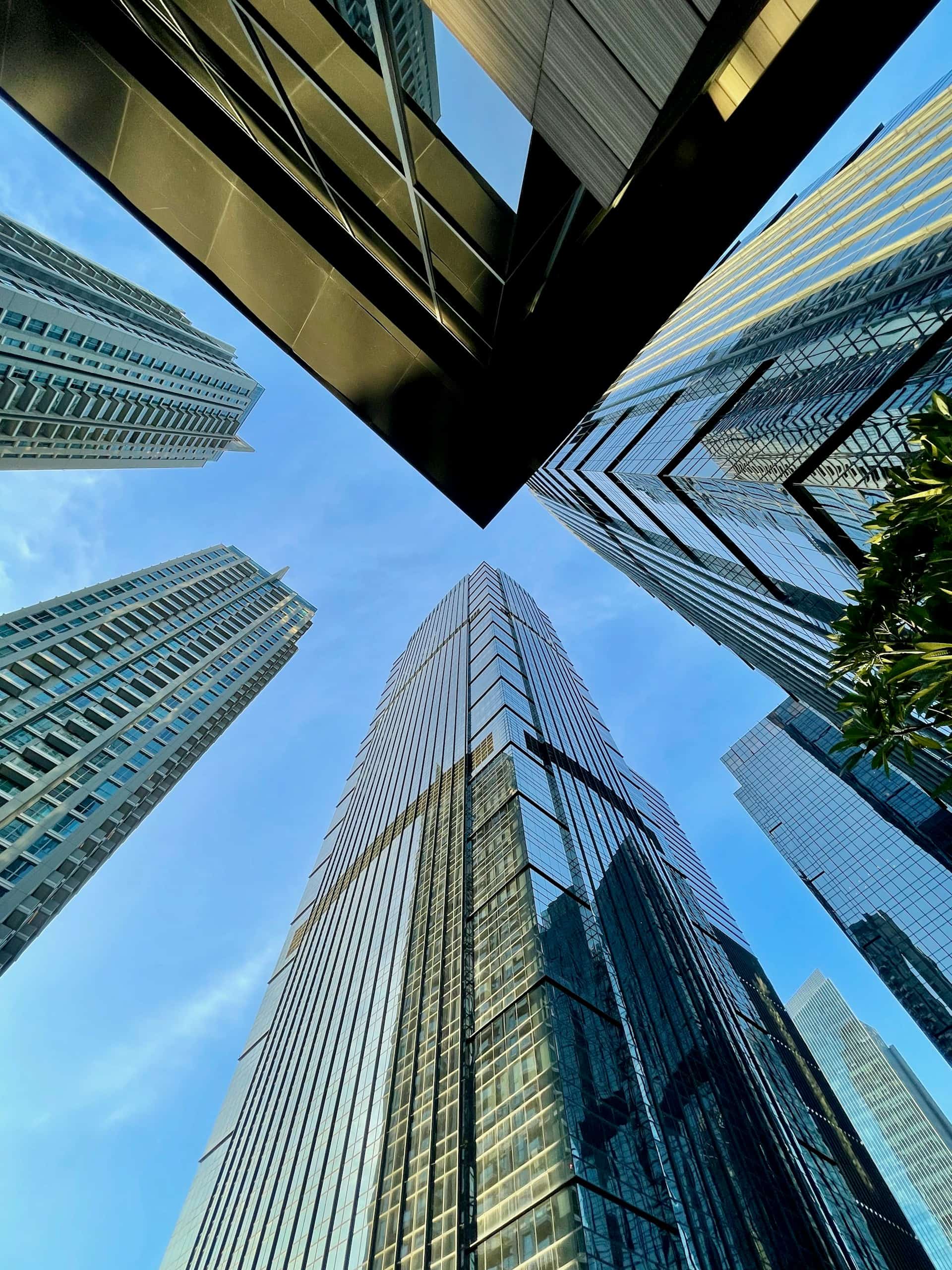
Amidst the rows of modern, glass-clad skyscrapers, the presence of Historical Properties offers a unique character and soul to a city. Under the category of Home & Living, interest in heritage buildings continues to rise—whether as private residences, boutique hotels, or commercial spaces. There is an allure that cannot be replicated by new constructions: the history embedded in every corner of its walls.
However, owning a historical property is not without its challenges. Maintaining and restoring an old building requires an approach vastly different from building from scratch. It demands high precision, historical knowledge, and a deep respect for the original architect’s vision to ensure that renovation does not destroy the existing historical value.
"Restoring a historical building is a cross-time dialogue between the architectural glory of the past and the functional demands of the future."
Aligning Function and Form
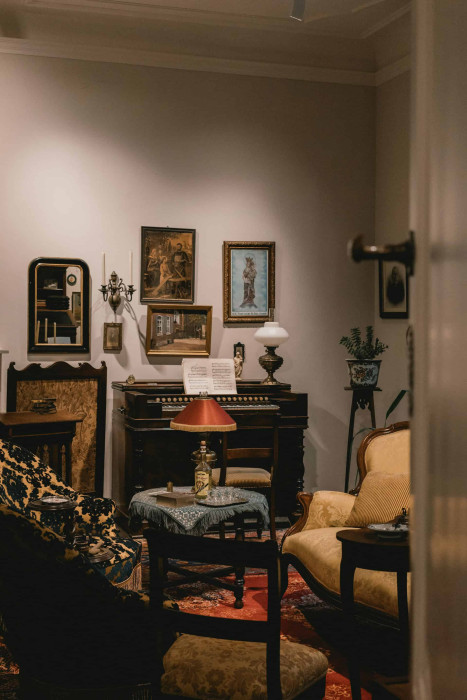
The most popular strategy in handling old buildings today is Adaptive Reuse. This is the art of changing a building’s function without drastically altering its structure or primary character. An old factory can transform into a grand art gallery, or a colonial house into a warm café. The key is finding a balance between preserving original elements—such as grand doors, antique floor tiles, or tall windows—and adding hidden modern facilities.
Often, the most difficult part is updating utility systems—such as electricity, plumbing, and air conditioning—without ruining the old architectural aesthetic. This is where collaboration between restoration architects and modern interior designers is essential to create a space that is comfortable to inhabit yet still feels like an elegant time capsule.
Technical Challenges and Material Scarcity
Historical property restoration frequently faces issues regarding material availability. Bricks of a specific size, types of wood that are now rare, or antique ceramic patterns often require owners to seek out specialized craftsmen capable of producing identical replicas. Consequently, the costs incurred are often higher than standard construction.
Furthermore, government regulations regarding cultural heritage often limit what can and cannot be changed. Owners must be patient with the permitting process and ensure every renovation step complies with conservation principles. However, for property collectors, these challenges only add to the asset's exclusivity. A historical property is not just a place to live; it is a legacy.
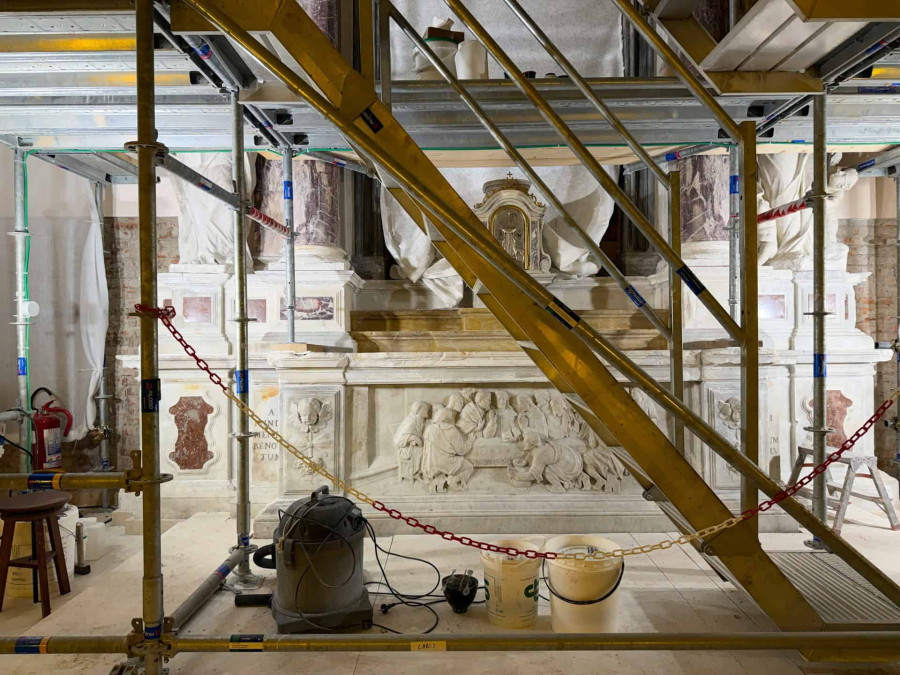
Photo by John Cameron on Unsplash
Investment Value and Psychological Character
From an economic perspective, well-maintained historical properties hold high appreciation value. Their scarcity makes them highly sought-after assets in the premium real estate market. These buildings offer prestige that cannot be bought through modern luxury materials alone.
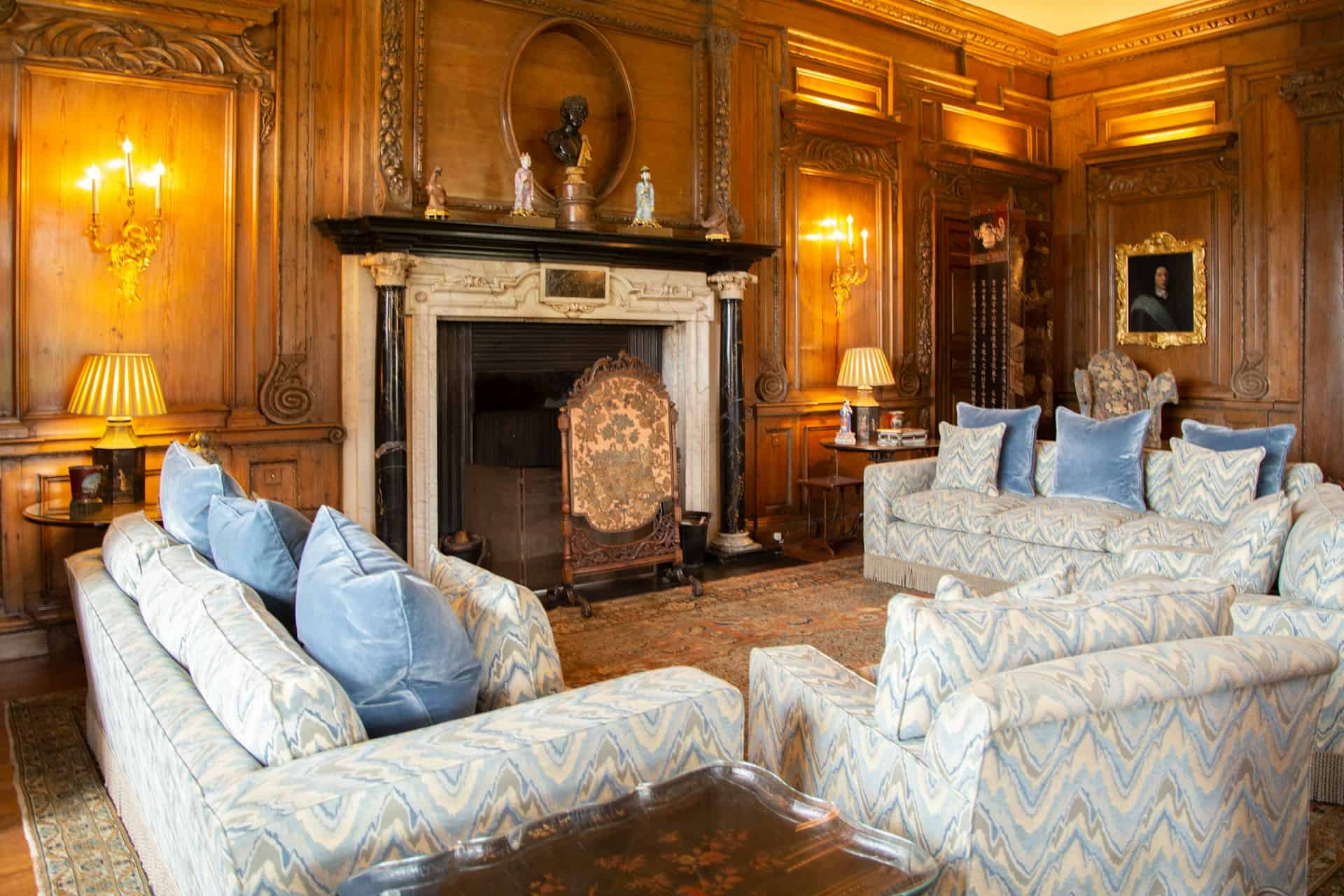
Psychologically, living in a historical building provides a sense of connection to the past. High ceilings and the spacious proportions of classic architecture offer a tranquility that differs from modern apartments, which tend to be compact and minimalist. There is a feeling of becoming part of a larger history, a responsibility to be a temporary guardian of a monument of time.
Preserving the Footprints of Civilization
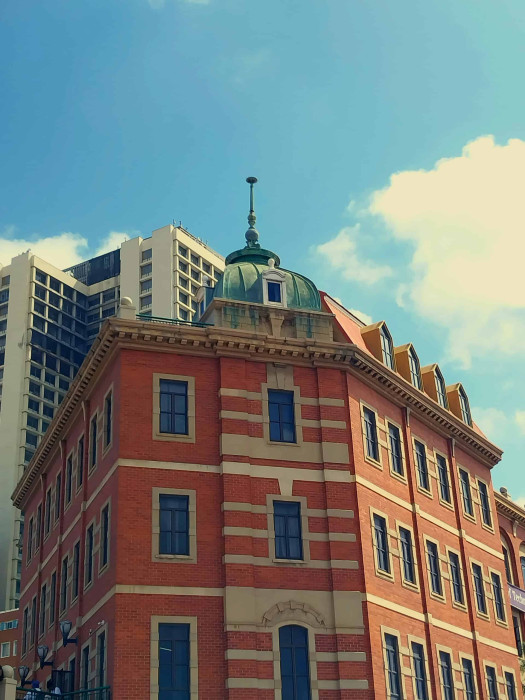
Restoring historical properties is a form of our appreciation for civilization. By giving new functions to old buildings, we do not only save the physical structure but also safeguard the stories and identity of the city from being swallowed by modernity. Historical buildings are proof that true beauty never goes out of style.
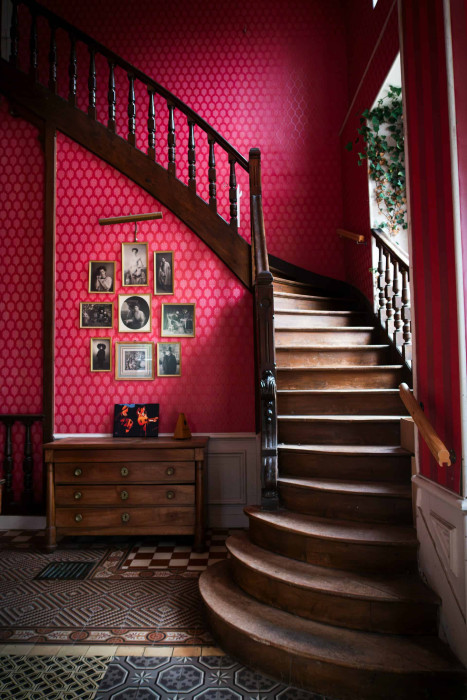
Photo by Fer Troulik on Unsplash
"A historical building is not just an arrangement of stone and cement; it is a time capsule that stores the collective memory of a civilization for future generations to study."
WRAP-UP!
Restoring historical properties through the concept of adaptive reuse is the best way to preserve heritage value while meeting the needs of modern living spaces. If you are interested in owning a historical property, ensure you consult with a cultural heritage expert before starting the renovation process to keep the original character intact. Do you prefer living in a modern apartment or a restored historical house? Share your thoughts in the comments!
Get Featured on Alinear Indonesia – Do you have a restoration project or a heritage property you'd like to showcase? Feature your exclusive story in Smart Publication+. Interested in hosting an architectural tour or a discussion on heritage preservation? Let’s collaborate through Smart Activation by Alinear Indonesia. Click here!