
Photo by Jennifer Latuperisa-Andresen on Unsplash
The Evolution of Meaning in Contemporary Hospitality
The hospitality industry has moved far beyond its basic function of providing a bed and temporary shelter for travelers. In the contemporary hospitality landscape of 2026, hotels now position themselves as curators of experience, bridging guests with the local essence of a destination. A hotel is no longer just a place for transit or "spending the night"; it has become the destination itself—an epicenter where elements of culture, history, and social interaction merge into a singular, cohesive narrative.
This shift is most visible in architectural designs that are no longer generic or uniform. If a decade ago global hotel chains tended to have similar aesthetics in every country, today’s design direction has become deeply contextual. Modern properties draw inspiration from local raw materials, respect the environmental history of their surroundings, and involve local artists and artisans to give a "soul" to every corner of the room.

The Lobby as a Dynamic "Third Space"
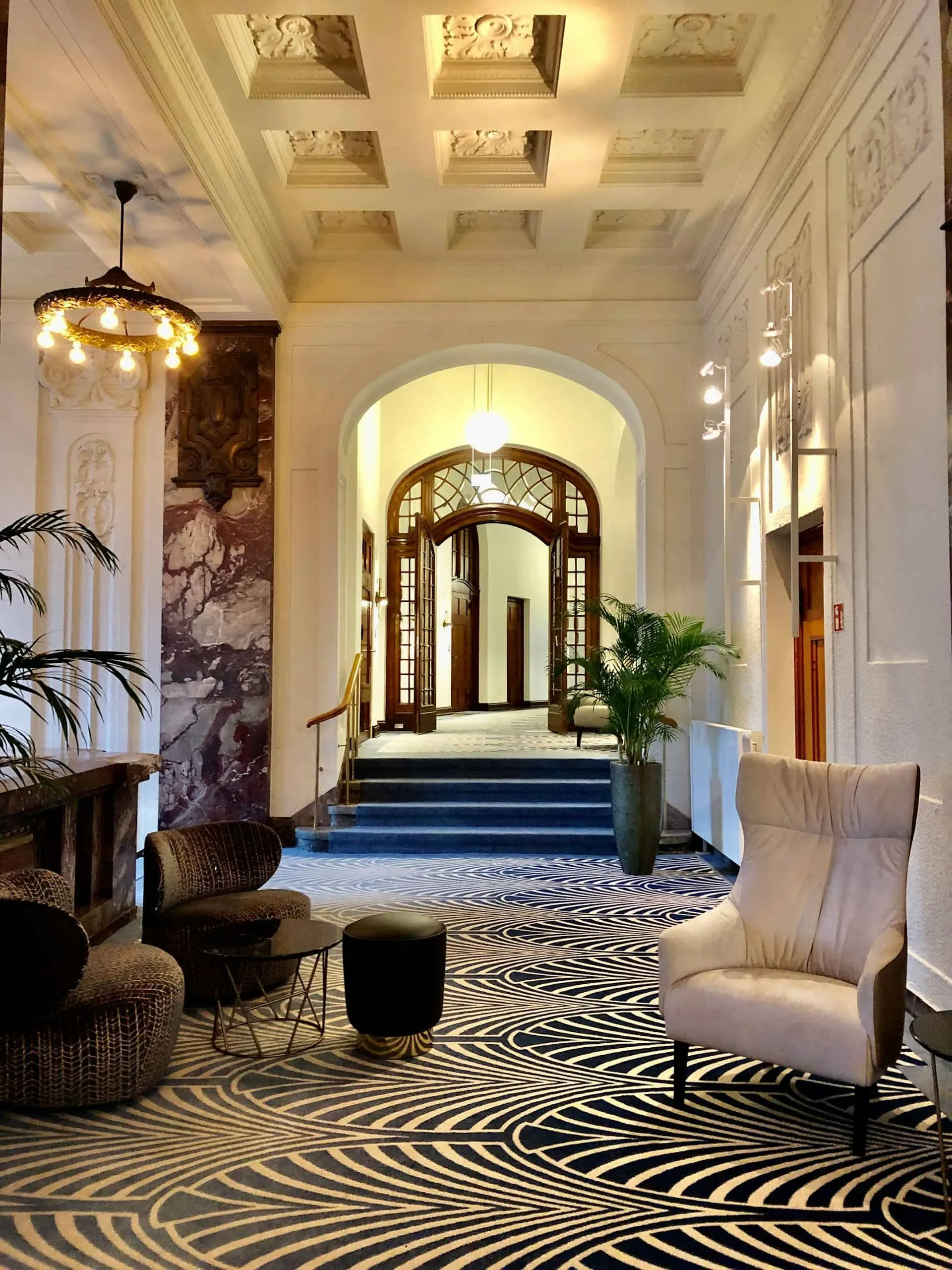
One of the most radical transformations has occurred in public areas, especially the lobby. The concept of the "Third Space"—a sociological term for social spaces outside of home and work—is the primary key here. Hotel lobbies, which were once stiff, formal, and functioned only as check-in points, have transformed into coworking spaces, art galleries, libraries, and community coffee shops.
These areas are designed to blur the boundaries between hotel guests and local residents. By creating an ecosystem open to the public, hotels offer a more authentic experience for guests who want to feel the pulse of the city's life. The hotel is now a place where the collaboration of ideas happens, where local communities meet, and where travelers can feel like part of the neighborhood, even if only for a few nights.
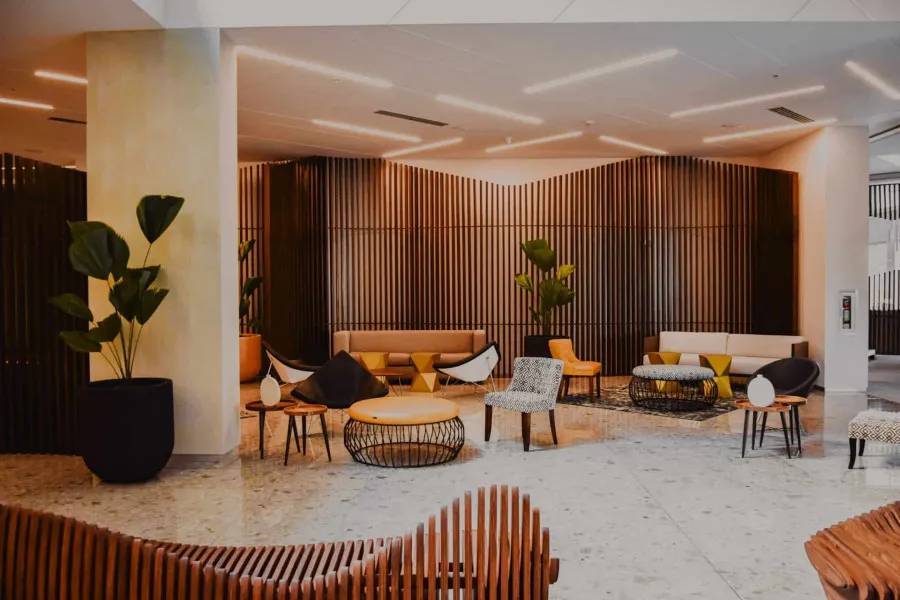
Photo by Frames For Your Heart on Unsplash
The New Standard of Comfort
Comfort in a modern hotel is no longer measured solely by tangible material luxury, such as thread counts on sheets or the use of imported marble. The value of a property now lies in its ability to anticipate and fulfill a guest's emotional needs.
Hotels now act as facilitators of well-being, where every design element is directed toward creating a deep sense of security and peace of mind. This includes several sensory innovations:
•• Circadian Lighting: Smart lighting systems that follow the body's biological rhythms, helping guests overcome jet lag or fatigue more quickly.
•• Sensory Curation: The use of olfactory branding (room scents) designed to calm the mind and "pillow menus" customized to the guest’s sleep health profile.
•• Intimate Acoustics: Room designs that prioritize silence as the ultimate luxury, providing a necessary contrast to the noise of the outside world.
"The ideal hotel does not just offer a place to rest; it provides a space for the soul to rediscover its connection with the world."

Beyond aesthetics and comfort, sustainability has become an integral pillar in the operations of world-class hotels. These initiatives are no longer limited to standard campaigns like reducing plastic waste or optional towel replacement.
Sustainability in 2026 includes smart energy management using AI, independent water treatment systems, and serious farm-to-table concepts. Many hotels now maintain their own gardens on-site or work exclusively with local food producers around the property. This social involvement provides added value for guests who are increasingly critical in choosing accommodations with ethical responsibility.
A successful hotel is one that can tell a story of integrity—where every operational detail supports environmental preservation and community empowerment. This turns every guest visit into a form of participation in a larger positive movement for the planet's sustainability.
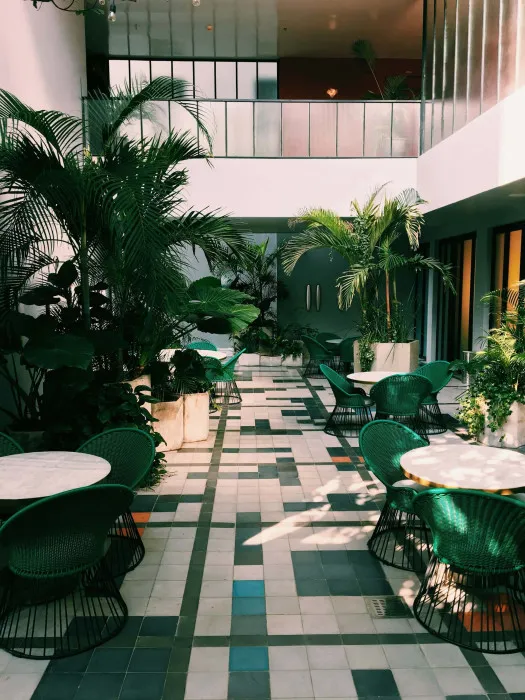
Photo by Eddi Aguirre on Unsplash
Rediscovering the Meaning of "Home"
Ultimately, this revolution in the hospitality industry invites us to see the hotel not as a static building isolated from the surrounding reality. The modern hotel is a living organism that absorbs local wisdom, nurtures the psychological well-being of its guests, and maintains harmony with nature.
In the future, we will no longer seek a hotel for its fully-equipped gymnasium or the size of its swimming pool, but for how the space makes us feel "connected"—whether it is connected to the local culture, connected to the community, or reconnected with ourselves.
Photo by Vasily Malygin on Unsplash
"Future luxury is not about the ownership of vast space, but about the depth of an experience capable of changing our perspective after check-out."
WRAP-UP!
Today’s hotels have evolved into lifestyle curators. This transformation changes the face of accommodation from a utility function to a space with deep emotional and social meaning.
When planning your next trip, consider choosing a hotel with a clear commitment to contextual design and sustainable practices. Opt for spaces that allow you to interact with the local community to gain a more meaningful travel perspective.
Looking to feature your brand and business through Alinear Indonesia’s Smart Publication & Smart Activation? Share your experience and consult with us today. Click here!

![Smart Publication+ 3.0: Build Authority. Drive Growth. [Technical Specification]](https://www.alinear.id/assets_web/images/qr-codes/bd48cb0acb2d9586570edb8a7303cee1.jpg)