









"When pedestrian paths evolve from mere links into contemplative spaces that touch the senses."
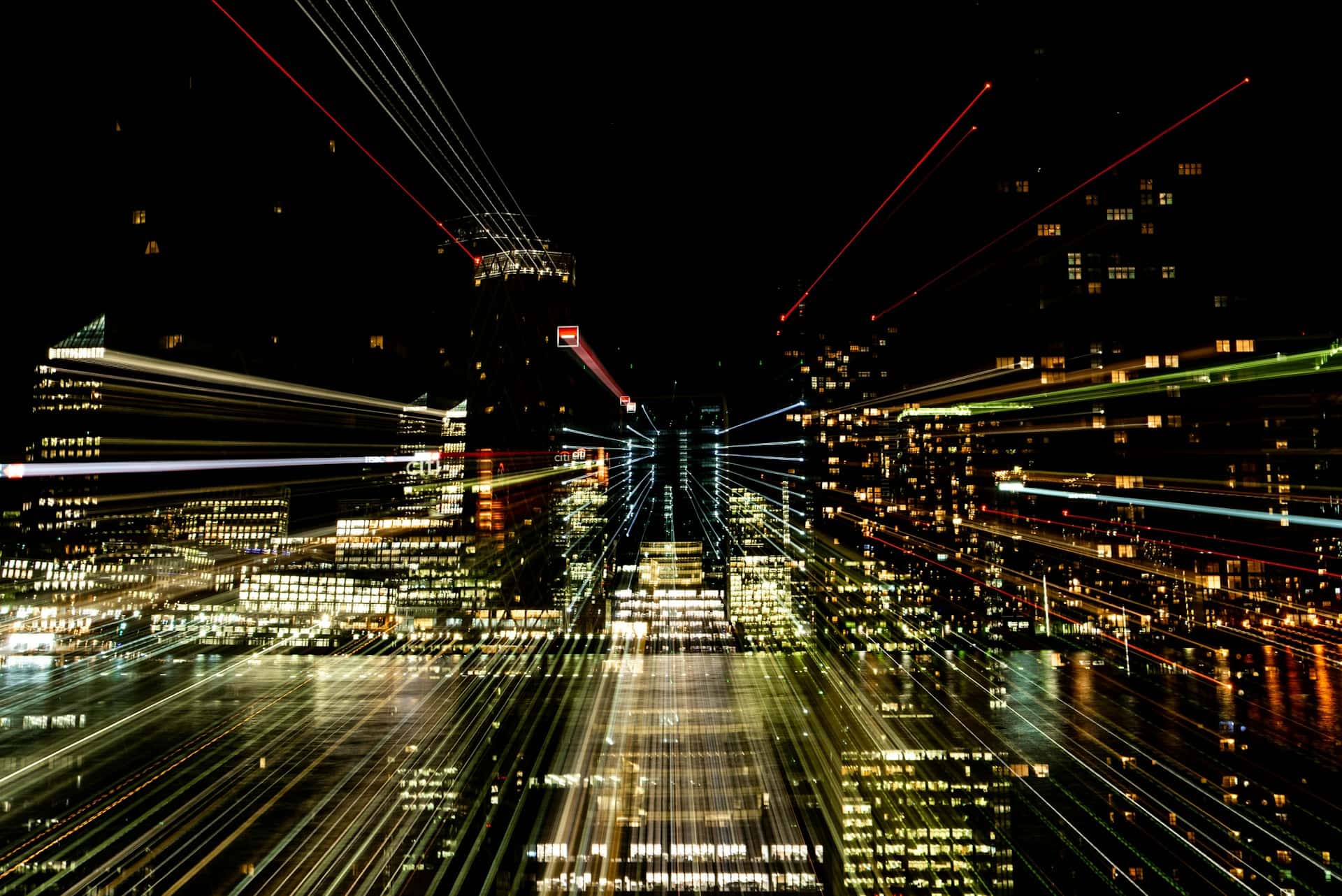
Photo by Dmitry Kropachev on Unsplash
Modern city identity is no longer defined solely by cold glass skyscrapers and the dominance of hard asphalt. Beneath the rush of the megacity, an intimate design movement has emerged, reaching into the fundamental core of our humanity: Tactile Urbanism. This phenomenon represents a new breath in global urban planning—an effort to reclaim public spaces as sensory-friendly areas, rather than mere infrastructure supporting vehicular mobility.
The Evolution of the Sidewalk: From Transit Link to Sensory Space
Historically, sidewalks were often treated as residual elements in urban architecture—a thin boundary separating buildings from the road. However, Tactile Urbanism completely shifts this paradigm. This concept is not merely about widening pedestrian paths or replacing broken tiles; it is about transforming the pedestrian experience into an interactive sensory space—a public gallery without walls, accessible to everyone without exception.
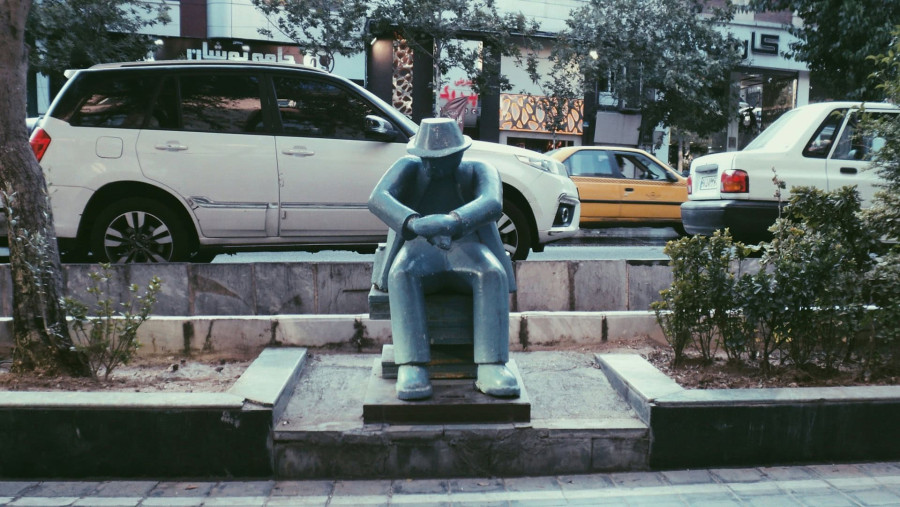
Photo by mdreza jalali on Unsplash
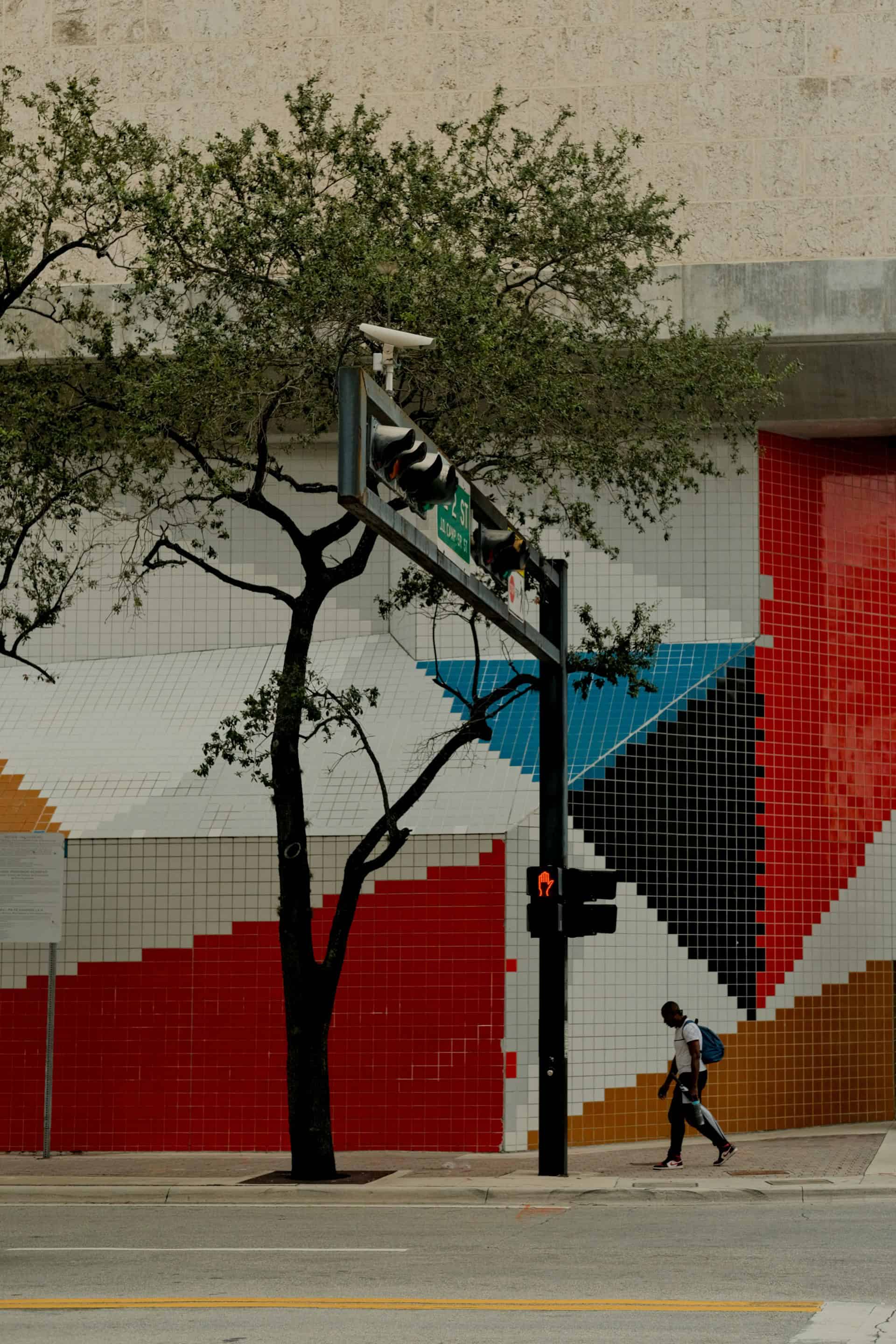
By integrating materials with strong textural character—such as rough natural stone, warm wood, and textured murals that invite the hand to touch—the sidewalk functions as a space for contemplation. Amidst high-mobility and high-pressure urban life, the physical experience provided by the surfaces underfoot or along the street walls can significantly lower cortisol levels. Humans naturally respond to rich physical environments; the smoothness of stone or the rustle of touchable greenery provides a calming psychological anchor amidst the city's visual noise.
Restoring Dialogue on the Pedestrian Path
Sociologically, Tactile Urbanism encourages more organic and profound interactions between citizens. In rigid and monotonous conventional urban designs, people tend to walk in a hurry, focused solely on their destination. However, when a public space is designed with attention to material detail and aesthetics, human behavior begins to shift. People tend to slow their pace, pausing to observe art installations or simply feel the unique texture of a material.
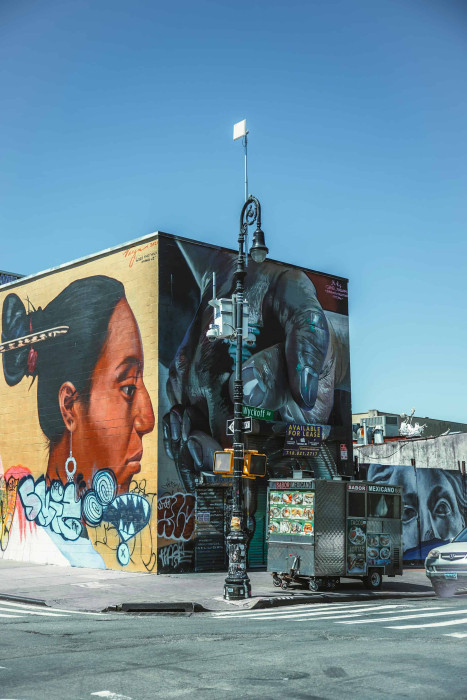
Photo by Diane Picchiottino on Unsplash
This tendency to "slow down" creates opportunities for small dialogues that have long been lost in the roar of motor vehicles. Tactile pedestrian paths create natural stopping points. In various city centers worldwide, sidewalks are now equipped with art installations that respond to touch or footsteps, creating a unique visual and auditory symphony for every individual passing through. These spaces serve as clear evidence that a smart city is not just one that is digitally efficient, but one capable of providing a rich physical experience for human senses.
"A great city is not just one that towers high architecturally, but one capable of touching the senses in every step of its citizens."
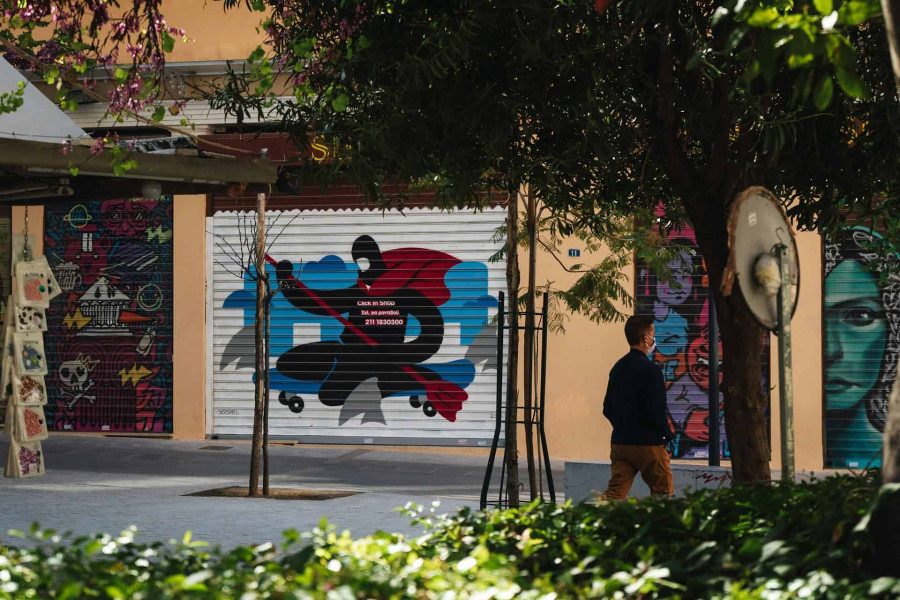
Photo by Nick Night on Unsplash
Resilience and the Sense of Ownership
In the long run, this approach has proven to increase citizens' sense of ownership over their environment. Pedestrian paths designed with aesthetic principles and sensory comfort tend to be better preserved because they are seen as cultural assets, not just concrete infrastructure. When people feel that the city "cares" for them through human-centric design, they subconsciously begin to care for the space in return. The greatest challenge is ensuring absolute inclusivity, making sure this sensory beauty can be enjoyed by everyone, including people with disabilities, by providing intuitive guiding paths and safe materials.
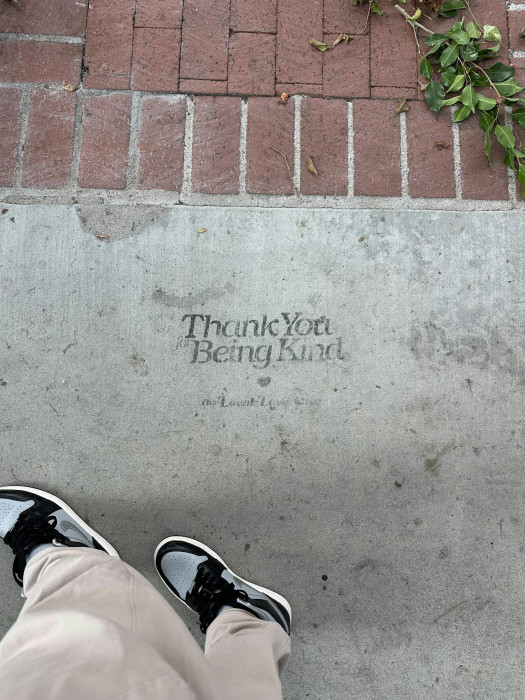
Photo by Brandi Alexandra on Unsplash
"The sidewalk is no longer just a roadside boundary; it is an open living room for every soul walking through the heart of the city."
WRAP-UP!
Tactile Urbanism brings humanity back into city design, creating environments that are gentler on the mental health of pedestrians through participatory art. Next time you are in the city center, try putting your phone away for a moment. Feel the textures beneath your feet as a form of instant urban meditation.
Looking to feature your brand and business through Alinear Indonesia’s Smart Publication & Smart Activation? Share your experience and consult with us today. Click here!