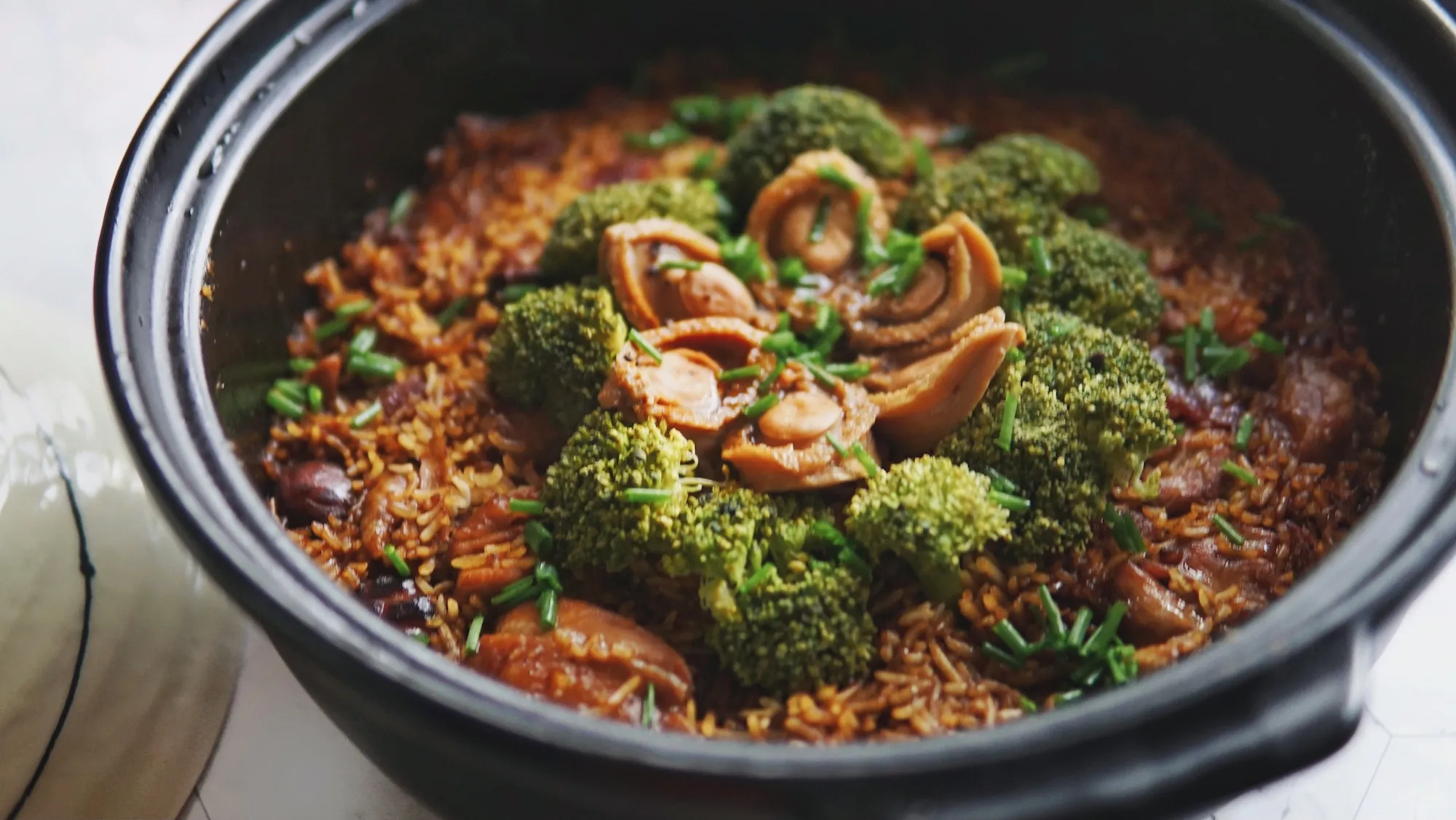

Photo source by The Bakeanista (Web)
The world of gastronomy is presented with an ingenious flavor experiment through the arrival of Claypot Truffle Rice. This dish marries the method of slow-cooking inside traditional Asian ceramic bowls with legendary luxury ingredients from European soil: oil and shavings of black truffle. The result is a casual staple elevated to the status of haute cuisine.
Amid the growing popularity of the Interactive Chef’s Table concept, the dining room is no longer just a space for consumption, but a performance stage. Urban culinary enthusiasts seek more than just palate-pleasing flavors; they appreciate the narrative, visual action, and olfactory stimulation occurring directly before them, making this clay-bound dish one of the most highly anticipated options on modern menus.
Texture and Aroma in a Ceramic Bowl
The success of Claypot Truffle Rice in captivating food connoisseurs rests on the precise mechanical execution of its individual components. Three main elements build this symphony of sensory satisfaction.
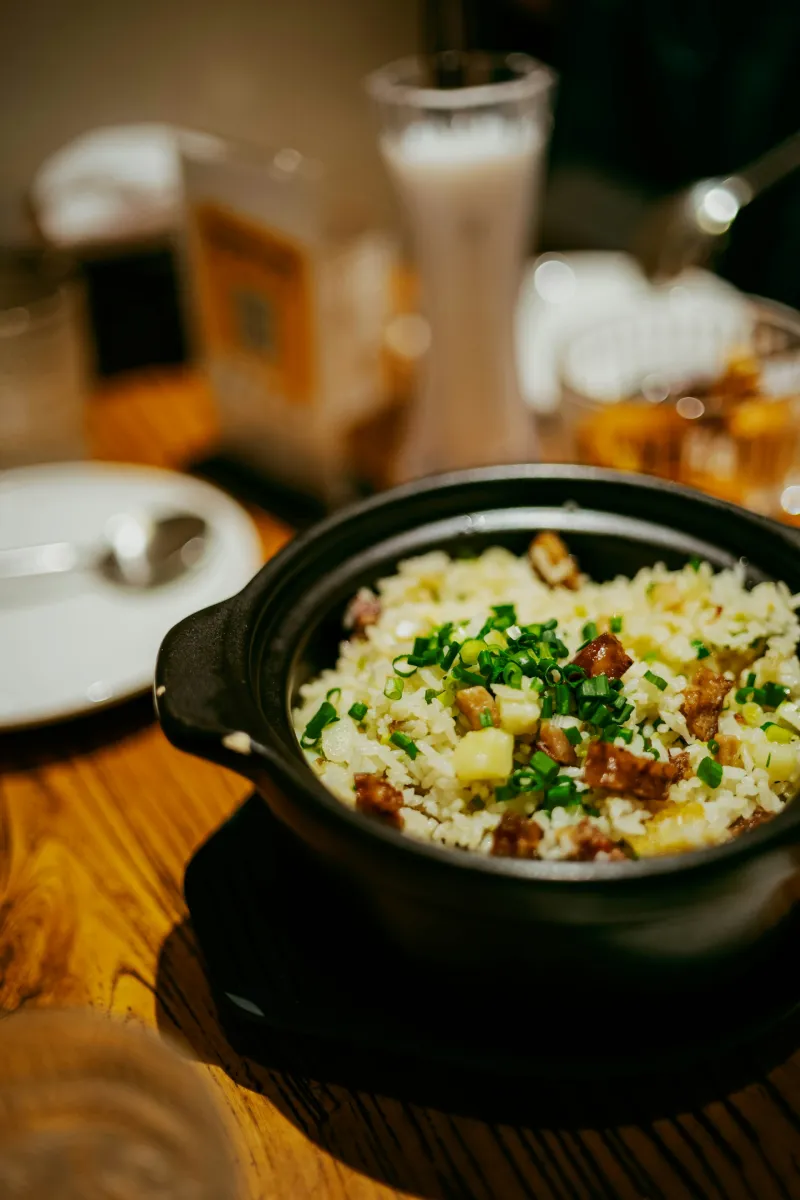
Photo by tommao wang on Unsplash
–– The Art of the Perfect Scorched Rice (The Golden Crust)
The key to a great claypot rice lies in the bottom layer of rice, which is intentionally rendered crisp (burnt rice crust) via the uniform heat distribution of the ceramic bowl. This savory, crunchy layer provides an addictive textural contrast when mixed into the fluffy, tender rice above it.
–– The Steam-Driven Release of Truffle Fragrance
The true uniqueness of this dish unfolds during the moment of service. As soon as the claypot lid is lifted in front of the guest, thin shavings of fresh truffle are showered over the steaming rice. The residual heat trapped within the ceramic activates the mushroom's volatile aromatic compounds, sending an intense, earthy fragrance throughout the room.
–– Complex Umami Elevation
To anchor the flavor profile, fine dining chefs pair the truffle oil with specially fermented artisan soy sauce, an organic raw egg yolk, and premium cuts of meat. This acculturation demonstrates that traditional comfort food and modern elements can seamlessly dissolve into a singular cohesive bite.
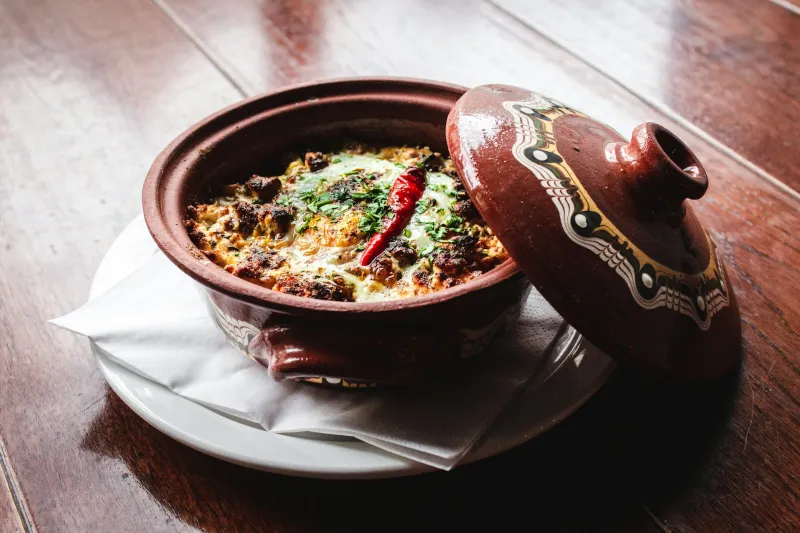
Photo by Louis Hansel on Unsplash
The Science Behind the Clay Vessel
Traditional ceramic bowls serve a specific functional role that cannot be easily replicated by modern metal cookware, owing to the unique thermal retention and distribution properties of clay. Ceramics possess low thermal conductivity but excel at storing heat over extended periods. This physical characteristic allows the caramelization of the rice starch to develop gradually without scorching the entire dish.
When truffle oil is introduced to this stable thermal system, the heat-sensitive volatile compounds are better preserved rather than lost to aggressive evaporation. The radiant heat emanating from the ceramic pores also instantly helps emulsify the raw egg yolk and artisan soy sauce as they are stirred, creating a naturally velvety glaze that coats every grain of rice.
Tasting Etiquette at the Chef’s Table
Enjoying this crafted dish requires a deliberate sequence to achieve its optimal flavor potential. When the chef removes the ceramic lid and shaves the black truffles, guests are encouraged to first enjoy the initial wave of aromatic steam escaping the vessel. The next step is a thorough execution: stirring all the components uniformly from the very bottom of the bowl.
The layer of the golden crust clinging to the base should be neatly scraped and broken apart so it integrates fully with the soft rice and thickening egg yolk. Allowing the dish to "rest" for a brief moment after mixing gives the diverse flavor elements enough time to bond before the first spoonful is enjoyed.
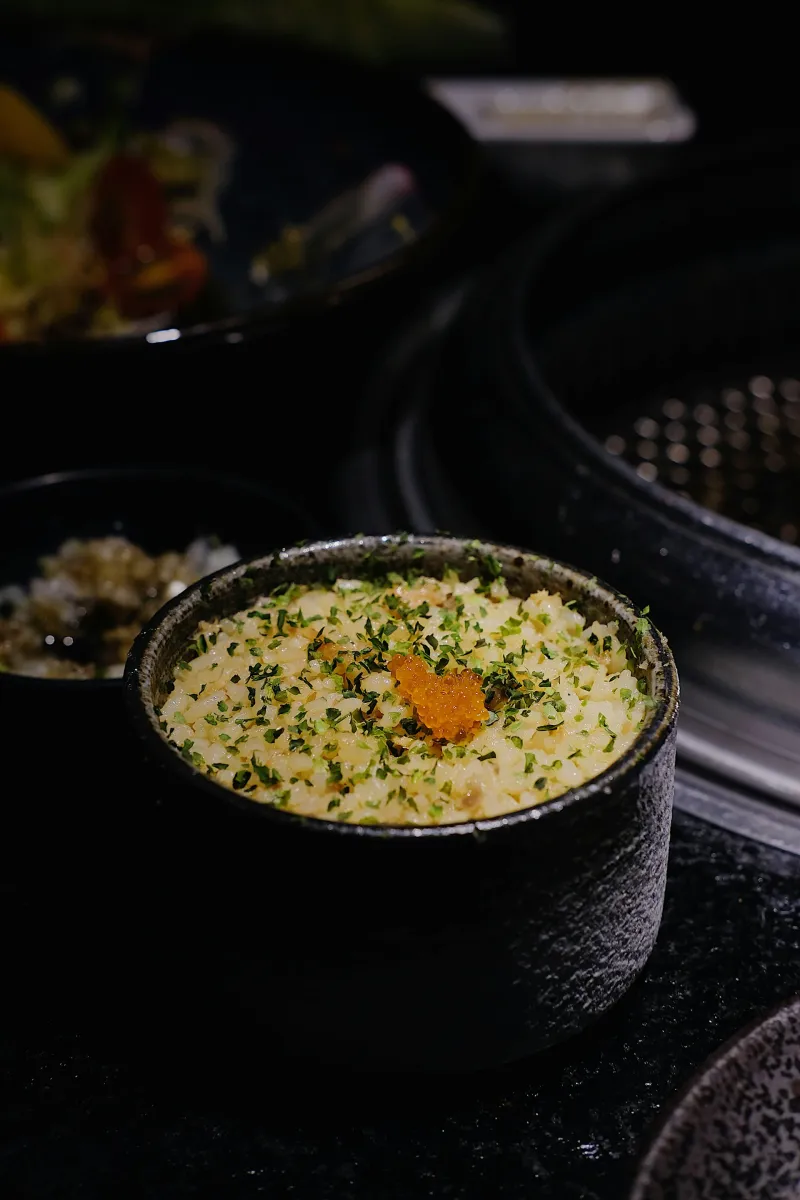
Photo by Steve Tsang on Unsplash
"Gastronomic excellence occurs when the simplicity of ancestral methods is given the space to deliver chosen ingredients from the other side of the world."
Claypot Truffle Rice
To evaluate the quality of this adapted menu when visiting a fine dining establishment, look for three objective parameters:
•• Thickness and Consistency of the Golden Crust
A properly executed crust should display a beautiful golden-brown hue, remaining crisp to the bite without carrying a bitter, overly charred ash aroma. A crust that is rock-hard indicates aggressive kitchen fire control.
•• Quality and Freshness of the Truffle Shavings
The mushroom shavings at the table should have a firm, intact structure and immediately release a sharp, characteristic fragrance upon contact with the rising steam. Authentic ingredients yield a starkly superior flavor output compared to synthetic alternatives.
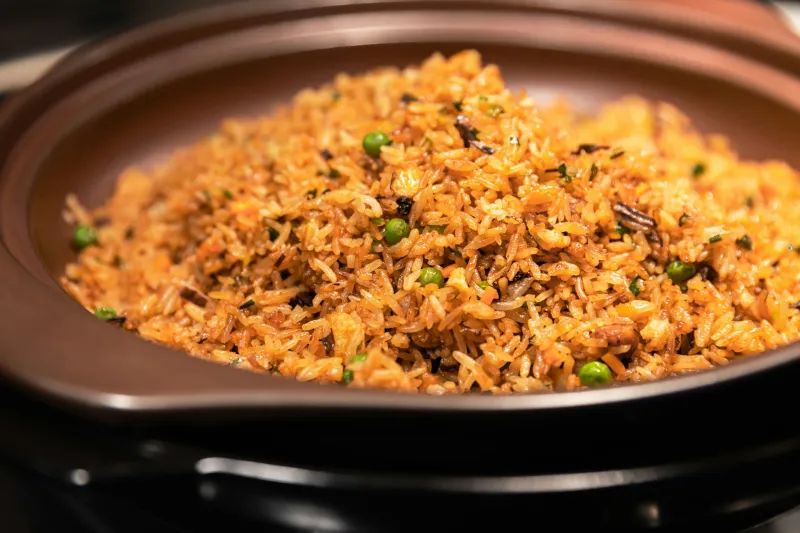
Photo by Hanxiao Xu on Unsplash
•• Moisture Balance
The rice must neither be overly wet like porridge nor as dry as typical fried rice. The organic egg yolk and artisan soy sauce must function as a smooth binding agent, ensuring the rice looks glossy, rich, and cohesive.
"The dining table experience is never just about presentation; it is about the simultaneous alignment of aroma, the sizzle of hot ceramic, and flavor."
WRAP-UP!
The emergence of Claypot Truffle Rice within fine dining spaces demonstrates that geographic culinary boundaries can melt together beautifully. Through the thermal precision of traditional Asian ceramic bowls and the aromatic elevation of European black truffles, this dish redefines familiar daily comfort food into an exclusive experience that completely engages the senses of smell and taste.
For your next culinary adventure, secure a front-row seat at an interactive modern-Asian chef's table, and observe firsthand how the sensory transformation of sliced black diamonds morphs a traditional bowl of rice into an artistic masterpiece of flavor.
Looking to feature your brand and business through Alinear Indonesia’s Smart Publication & Smart Activation? Share your experience and consult with us today. Click here!