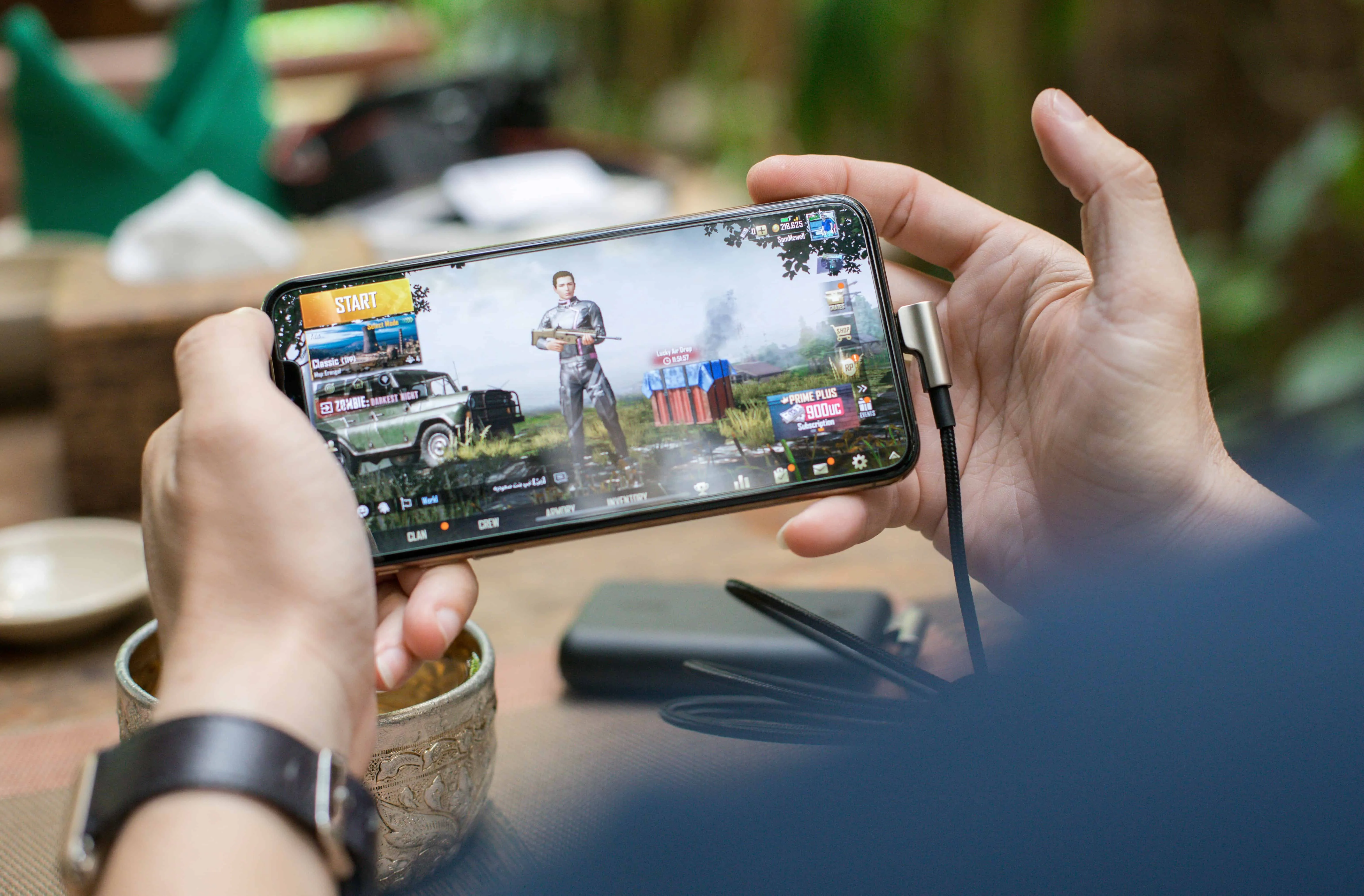

For decades, the global gaming market was governed by an absolute rule: if you desired the highest graphical fidelity, you had to pay a steep price for the hardware. Every major AAA release cycle triggered consumer anxiety, forcing players to upgrade expensive PC components or purchase next-generation consoles just to keep pace with ballooning GPU demands. In 2026, this structural constraint has collapsed. We are witnessing the era of hardware dematerialization, where the core processing engine of an interactive experience no longer sits beneath a living room television, but is distributed across thousands of cloud servers humming hundreds of miles away.
Cloud gaming has evolved from a volatile experimental concept into a dominant pillar of modern digital entertainment. The underlying technology operates similarly to video streaming platforms, albeit with significantly higher technical complexity. Rather than downloading hundreds of gigabytes of asset files onto local solid-state drives, all heavy graphics processing, enemy artificial intelligence, and game logic execution occur on cloud supercomputers. The user’s device acts purely as an efficient receiver, rendering high-definition, uncompressed pixels streamed in real time.

Photo by Afif Ramdhasuma on Unsplash
Advanced Infrastructure: Overcoming the Latency Overlord
The mass market adoption of cloud gaming in 2026 is structurally supported by major leaps in internet network stability. In the nascent years of the technology, the primary bottleneck was latency—the microscopic delay between pressing a button on a controller and seeing that action mirrored on screen. In fast-paced competitive environments, a discrepancy of even a few milliseconds dictates the line between victory and defeat, a flaw that left traditional enthusiast demographics deeply skeptical.
Today, the systemic roll-out of advanced 5G networks, affordable home fiber optics, and widespread edge computing architectures have reduced input latency to levels undetectable by human senses. Processing servers are now positioned right at the edge of metropolitan network nodes. Consequently, when a command is issued on a mobile device, the data packets journey to the server and bounce back as an updated visual frame in under 10 milliseconds, delivering a native, instantaneous execution free from stutter or visual tearing.
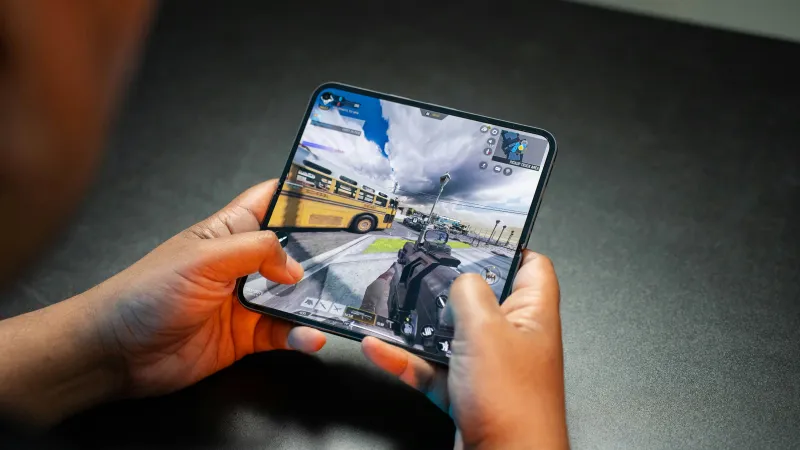
Cross-Device Portability: Turning Casual Displays Into High-Tier Arenas
Shattering the dependency on localized technical specifications unlocks unprecedented accessibility for urban consumers. In 2026, smart televisions stripped of external consoles, mid-tier tablets, and casual work laptops have the instantaneous capability to launch titles that previously demanded setups costing thousands of dollars. Eliminating download phases, installations, and rolling software patches reshapes user behavior toward absolute convenience.
A player simply launches an application, selects a title from a digital library, and enters the game loop within seconds. This portability fosters a highly dynamic lifestyle synchronization. A professional can initiate a gameplay session during an office break on a tablet, sustain progress on a smartphone inside a commuter vehicle, and conclude a difficult campaign chapter on a premium living room display at night—all linked under a unified profile that updates states automatically across the cloud.
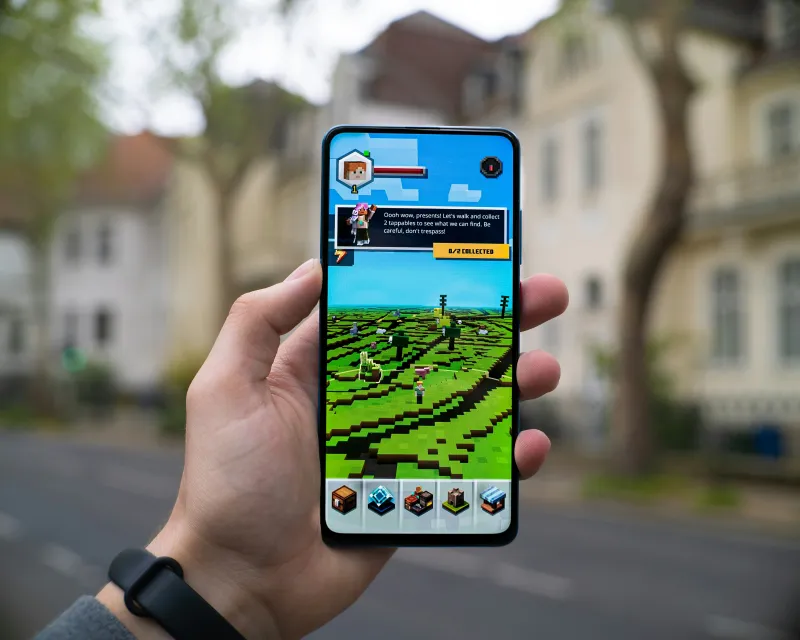
Photo by Mika Baumeister on Unsplash
The Digital Paradox: Seamless Streaming Meets the Return of Concrete Social Spaces
Intriguingly, while cloud computing offers total private isolation and convenience, a fascinating social paradox has emerged within 2026 pop culture. As gaming becomes detached from fixed physical locations, urban communities are exhibiting an intense longing for real-world, tactile interactions. This behavioral shift has catalyzed a major renaissance of traditional, token-operated coin arcades across metropolitan centers [Retro-Gaming Arcades: The Rise of Classic Coin-Op Hotspot].
These vintage arcades are not returning to compete with the 4K graphical prowess of cloud engines; instead, they satisfy sensory and communal needs left unaddressed by isolated screens. The tactile clack of a mechanical joystick, the physical clink of brass tokens, and the immediate energy of a live audience gathering around a cabinet offer a nostalgic social ritual. In 2026, these two environments do not cancel each other out; cloud platforms serve daily personal efficiency, while retro arcades operate as a weekend sanctuary where communities celebrate the cultural roots of the medium.
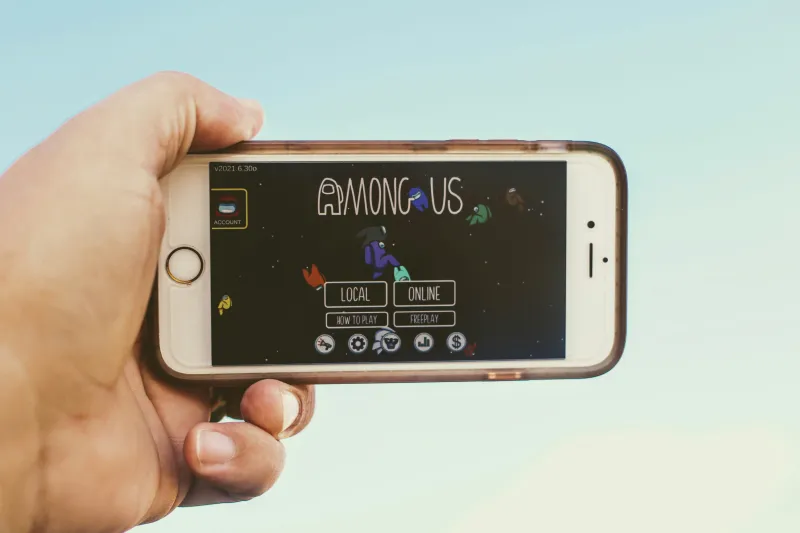
Photo by Joshua Hoehne on Unsplash
"Cloud gaming di tahun 2026 membuktikan bahwa kemewahan bermain gim hari ini tidak lagi diukur dari tebalnya dompet untuk membeli perangkat keras, melainkan dari kestabilan jaringan internet yang membebaskan imajinasi."
Subscription Economics: The Triumph of Utility Over Material Ownership
The transition toward cloud streaming has fundamentally overhauled monetization models within the entertainment industry. The legacy framework of buying separate physical discs or individual high-priced digital licenses is rapidly being replaced by ecosystem-wide subscription memberships. For a monthly fee equivalent to a few cups of specialty coffee, users claim unrestricted access to hundreds of rotating titles across every imaginable genre.
For independent studios, this cloud architecture democratizes distribution, letting indie titles secure immediate exposure to millions of potential players without battling the monopolies of traditional retail shelf space. Consumers win as well, since the financial risk of exploring an unfamiliar genre drops to zero. In 2026, the metrics of gaming success are no longer tied to how many millions of plastic hardware boxes are shipped to storefronts, but to user engagement levels inside a fluid cloud matrix, marking the absolute victory of operational utility over material possession.
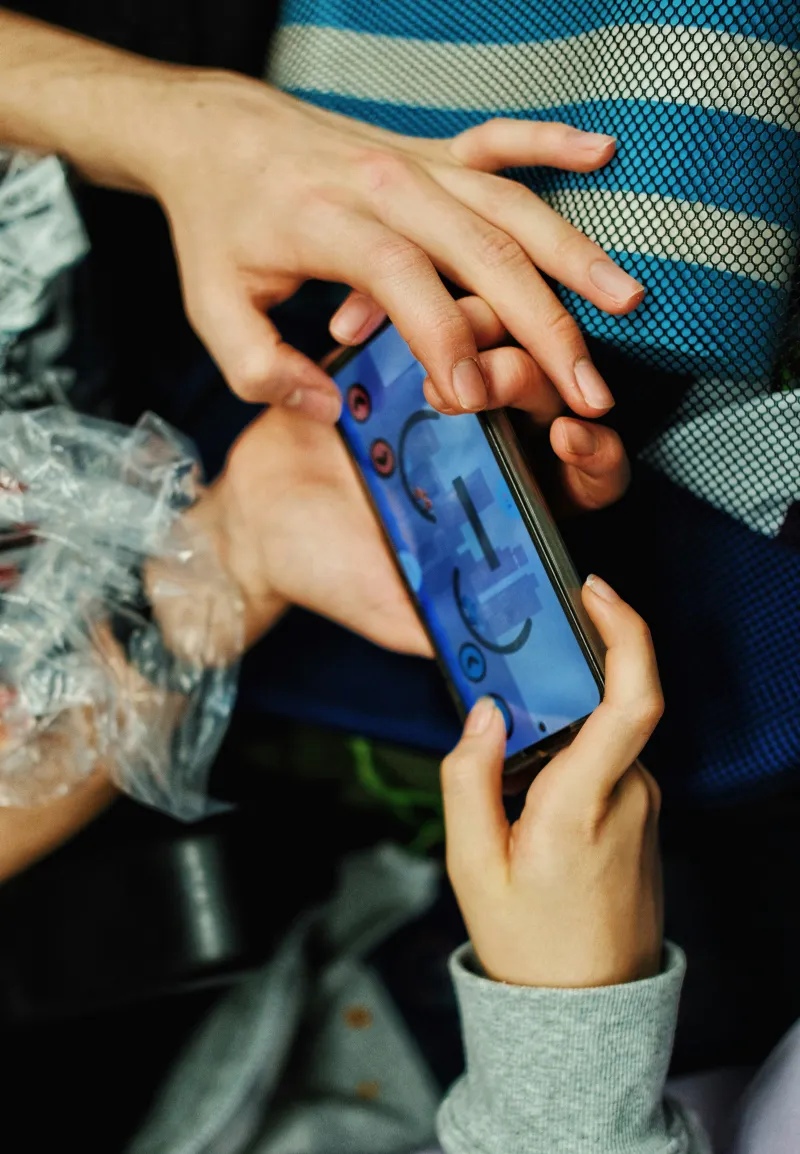
Photo by Precious Madubuike on Unsplash
"Masa depan hiburan digital adalah tentang meruntuhkan kotak fisik di bawah layar kita, memindahkan kompleksitas mesin ke angkasa awan, dan menyisakan murni esensi kegembiraan di ujung jari kita."
WRAP-UP!
The 2026 cloud gaming paradigm has redefined digital entertainment by eliminating the financial gatekeeping of expensive hardware. Bolstered by ultra-low latency infrastructure and inclusive access models, AAA experiences are now democratic, accessible from any screen, anywhere. The harmonious coexistence of this cloud shift with the revival of physical retro gaming spaces shows that modern tech-driven culture can adopt cutting-edge cloud engineering while preserving raw human connection.
Test the compatibility of your current smart TV or everyday laptop this weekend; launch a cloud-based streaming application to experience first-hand the liberation of hardware-agnostic play.
Looking to feature your brand and business through Alinear Indonesia’s Smart Publication & Smart Activation? Share your experience and consult with us today. Click here!