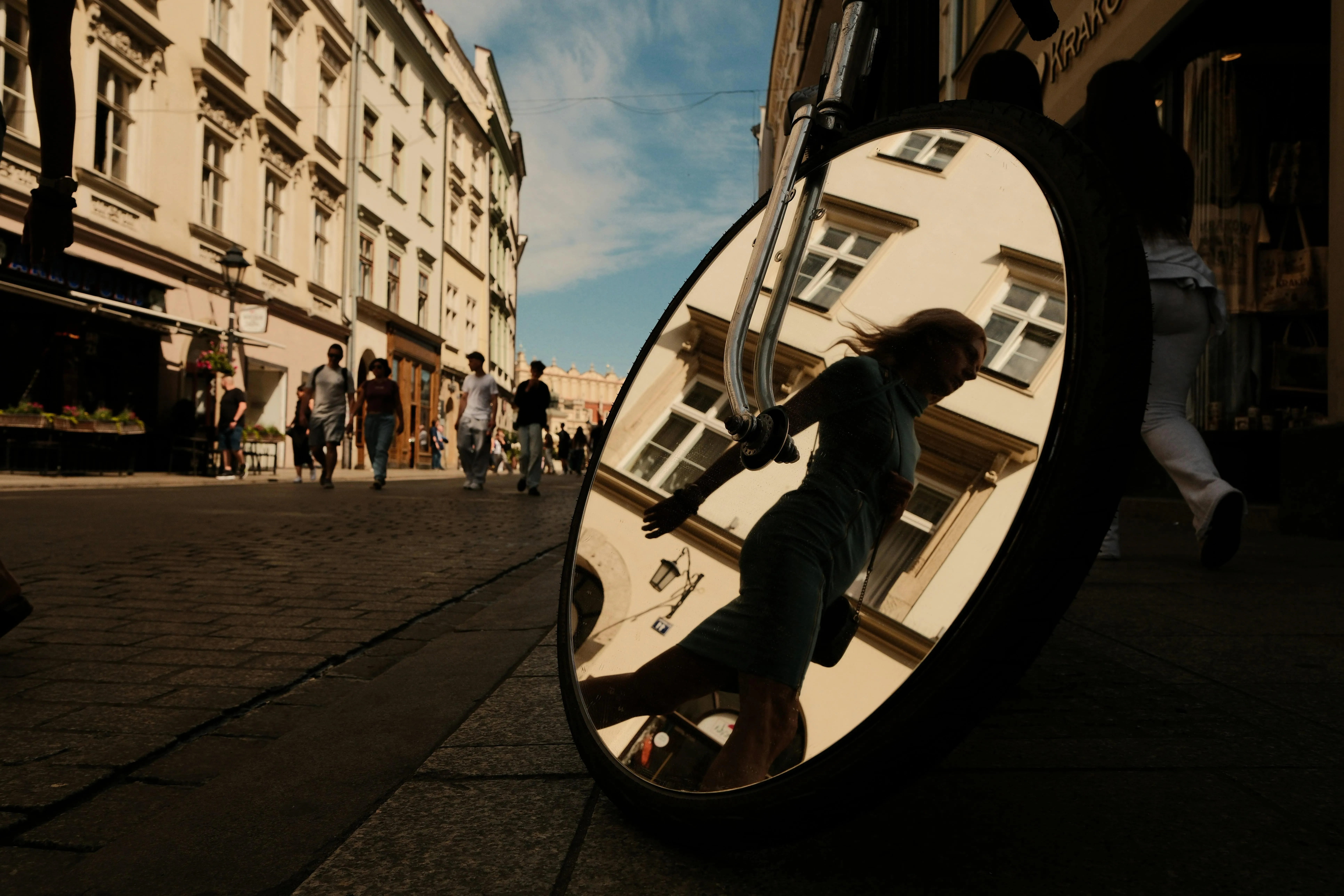

Photo by Claudio Schwarz on Unsplash
For generations, the documentation of municipal development and historical milestones remained inside the highly controlled spaces of state archives and academic institutions. This institutional preservation, while systematic, frequently filtered history through bureaucratic and political lenses, leaving behind the small textures of daily life. Today, a significant behavioral shift among digital-native subcultures is actively disrupting this top-down guardianship.
A growing network of independent youth collectives is reclaiming the narrative of the city's past by establishing community archive projects on decentralized social platforms. By actively hunting for, digitalizing, and curating vintage photographs, everyday family slides, and forgotten street snaps, these creators are transforming public profiles into living museums. This movement moves past formal historical records, opting instead to preserve the authentic, organic identity of the city from the ground up.
Mapping Subcultures via Crowd-Sourcing
The operational framework of these digital archive accounts relies heavily on systematic crowd-sourcing. Rather than simply scanning professional press photos, these curators invite their communities to dig through private family albums, forgotten boxes, and discarded physical print markets. The result is a vast repository of raw, unfiltered visual data capturing the city across various developmental eras.
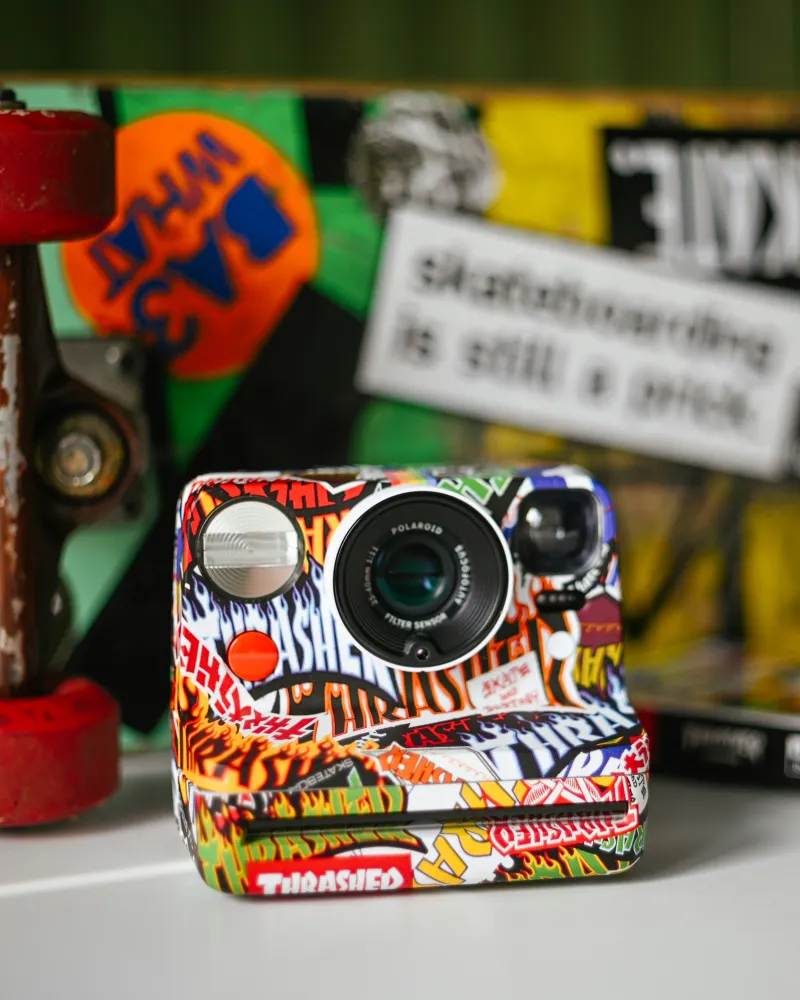
From a cultural standpoint, these found-images provide invaluable data on historical subcultures and public behavior patterns. A faded snapshot of pedestrians waiting near an old public transit line or a candid photo of youth gathered outside a classic neighborhood theater reveals the true evolution of urban fashion, social interactions, and community spaces. These archives serve as a critical bridge, allowing modern audiences to see how previous generations navigated the exact same geography they inhabit today.
Tracking Architectural and Transit History
Beyond the social elements, community archive projects serve as an alternative reference for architectural history and spatial planning. Mainstream documentation rarely captures the slow, day-to-day changes in a city's infrastructure. In contrast, crowd-sourced vintage imagery frequently captures the exact transitions of major roads, residential spaces, and commercial hubs before they were altered by rapid modernization.

Observing these visual timelines allows urban enthusiasts to study spatial evolution through a highly democratic lens. The images reveal the disappearing acts of old architectural facades, the expansion of green spaces, and the shifting dynamics of public transportation networks. This organic record provides a stark, objective counterweight to corporate urban planning models, reminding the community of what was structurally sacrificed in the name of municipal progress.
The Nostalgia Paradox: Intersecting Vintage Glitch with Contemporary Irony
The curation of vintage visual content introduces a fascinating psychological paradox when consumed by younger generations. While older demographics engage with these archives through a lens of unadulterated nostalgia, younger cohorts interpret the material through a more complex, multi-layered cognitive framework [Satire Era: Dark Humor - Gen Z].
This subculture frequently juxtaposes the idyllic, orderly aesthetic of old streetscapes against the modern realities of infrastructure friction, pollution, and corporate saturation. By utilizing sharp digital commentary and dry, cynical captions, youth collectives turn these historical artifacts into satirical tools. They use the apparent peace of the past to critique current systemic failures, demonstrating how historical imagery can be weaponized as a form of sophisticated cultural commentary rather than just romantic escapism.
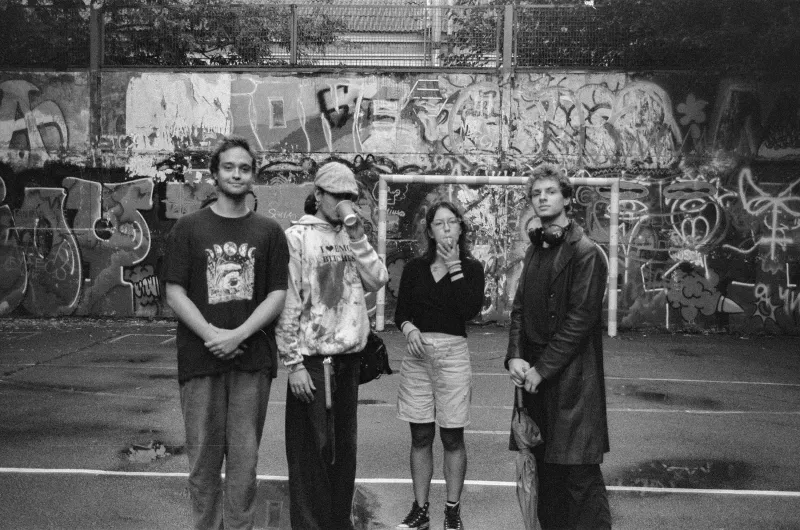
Photo by Illia Horokhovsky on Unsplash
The Future of Urban Memory
As these community archives continue to grow, they face the practical challenge of long-term digital preservation. Social media platforms, by design, prioritize immediate engagement over structured categorization, making it difficult to maintain accessible historical databases. Forward-thinking collectives are beginning to transition their curated assets into independent open-source websites and physical print publications to ensure permanence.
"Community archive projects prove that the true history of a metropolis is not written in the cold stone of municipal halls, but in the casual, candid snapshots of the people who walked its streets."
Supporting these grassroots efforts is vital for the survival of genuine urban identity. By transforming passing digital posts into permanent cultural assets, these projects ensure that the lived experiences of the city’s working class, creative rebels, and ordinary families are not forgotten. They provide the modern metropolitan society with a foundational sense of place, grounding temporary digital cultures in a deeply rooted, authentic historical continuum.

Photo by Ruben Mavarez on Unsplash
"By infusing vintage visual archives with contemporary irony, youth collectives have transformed dead analog data into an active, satirical lens to critique the modern city."
WRAP-UP!
Youth-driven digital archive movements are vital mechanisms for protecting the authentic history of modern cities from being erased by commercial development. By pairing historical curation with modern subcultural insights, these independent projects preserve past memories while equipping contemporary citizens with the critical context needed to understand their evolving urban landscape.
Review your own family collections or local print markets this week; finding and digitalizing even a single unfiltered street photograph helps fortify the decentralized history of your community.
Looking to feature your brand and business through Alinear Indonesia’s Smart Publication & Smart Activation? Share your experience and consult with us today. Klik di sini!