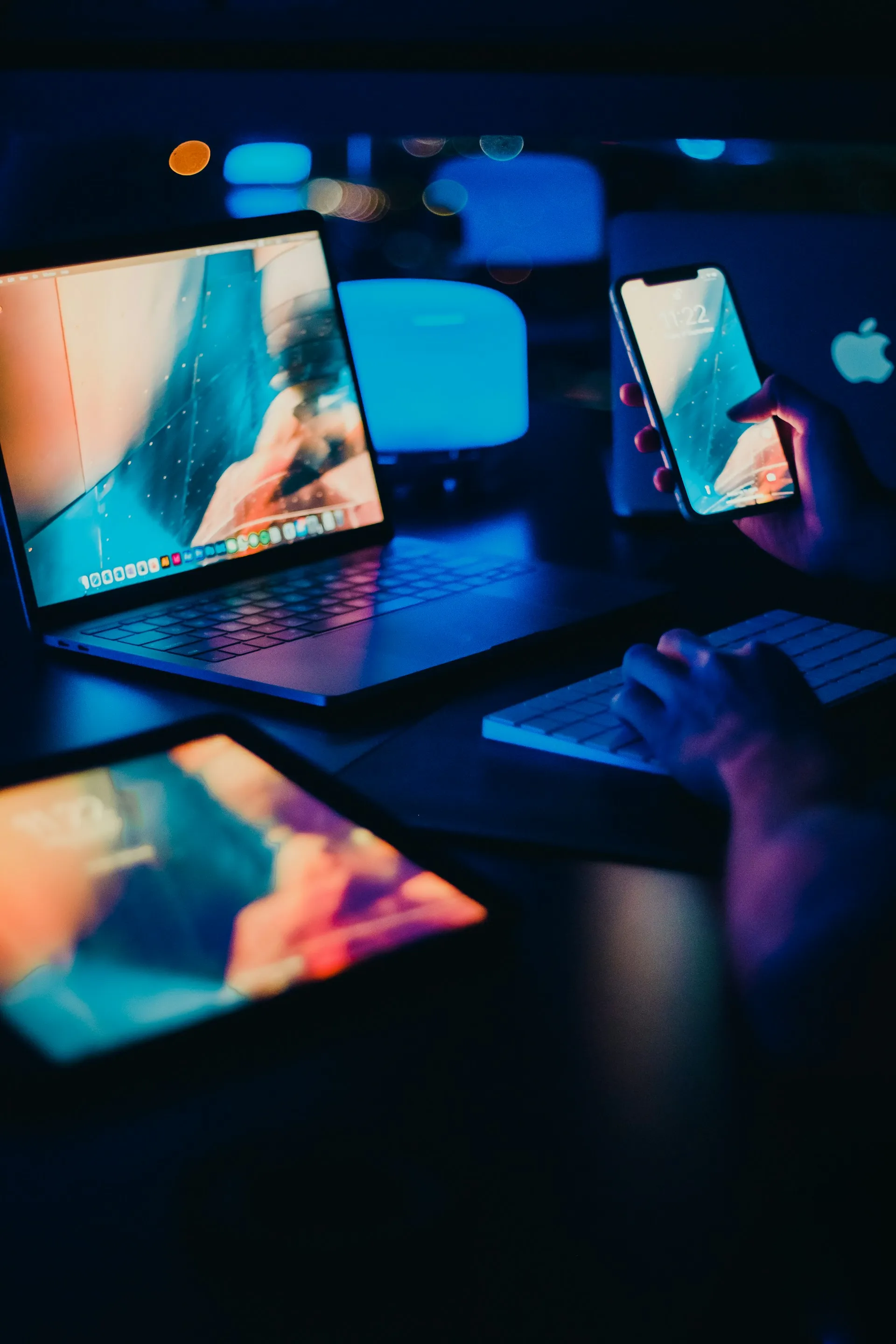

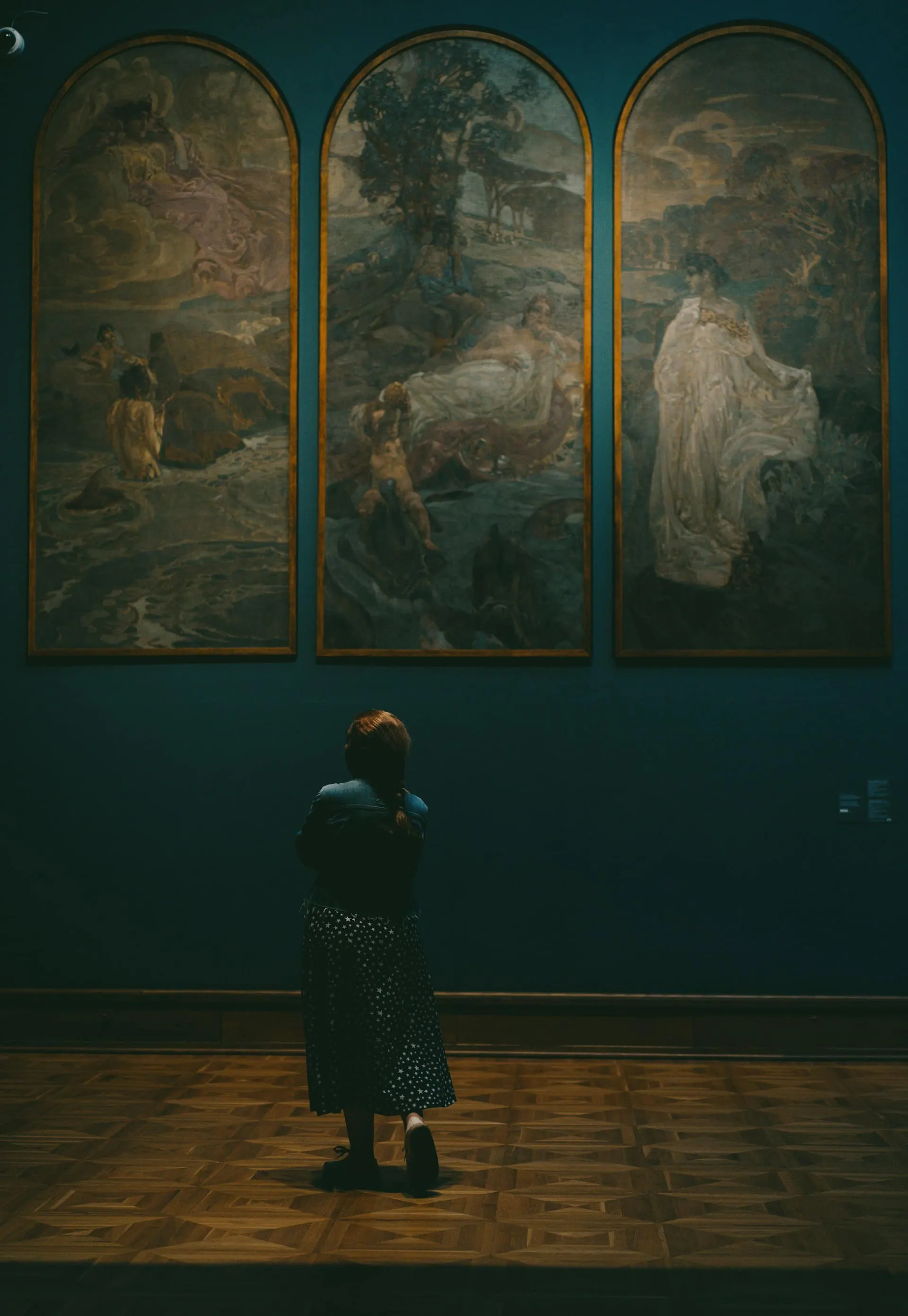

The world of art and culture is currently undergoing a fundamental transformation in how it perceives "historical objects." Curatorial concepts are shifting significantly from the preservation of artifacts behind sterile museum glass toward the safeguarding of Living Heritage.
This approach involves integrating active traditional practices—such as ancient weaving techniques, oral arts, and agrarian rituals—into the context of interactive contemporary art installations. However, this transition brings deep ethical challenges: how to display such cultures without falling into visual exploitation or the "commodification of exoticism"? Global curators are now required to be facilitators for indigenous communities, ensuring that the displayed narrative is the authentic voice of the cultural owners, not merely an outsider's interpretation that often reduces philosophical depth.
"Art is no longer about dead objects behind glass, but the pulse of a culture that continues to evolve within a contemporary space."
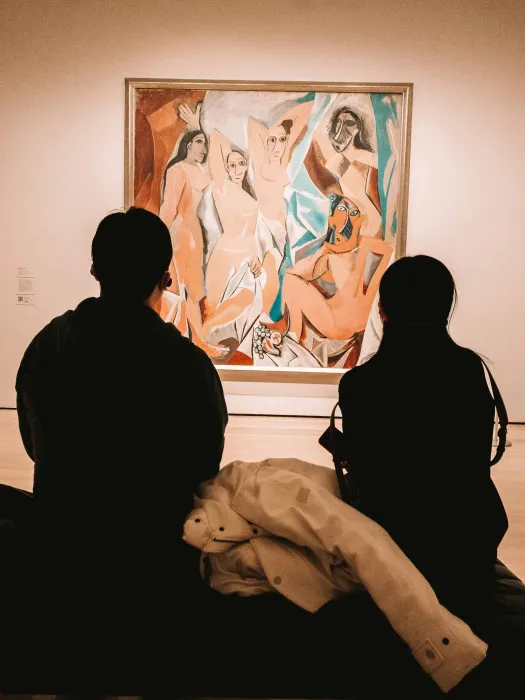
Photo by Johnell Pannell on Unsplash
Socio-culturally, the resurgence of living heritage is a response to the homogeneity of digital culture. Contemporary art involving traditional elements provides space for audiences to feel the depth of history through the senses of touch and hearing, not just sight.
The use of Augmented Reality (AR) in leading galleries worldwide is now utilized not just for spectacle, but to project the sociological context of a work—for instance, by displaying the original geographic landscape where a woven motif was created. This process creates a powerful emotional bridge between a static past and a dynamic future, rendering art an entity that continues to breathe and remain relevant for younger generations searching for their identity roots amidst massive globalization.
"To enjoy art today is to understand that every motif is a language that has the right to be spoken in today's dialect."
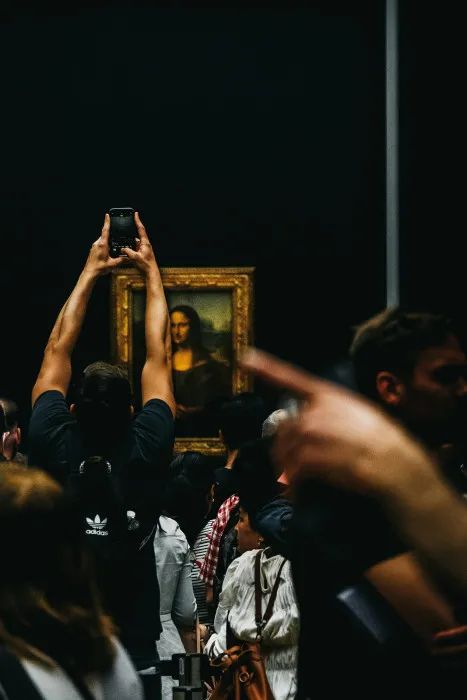
Photo by Christian Taylhardat on Unsplash
The application of these new curatorial ethics also touches on digital repatriation. Data from artifacts stored in major world museums is beginning to be virtually "returned" to their communities of origin to be studied and re-developed into new creative forms. Art is no longer viewed solely as an investment object, but as a tool for social advocacy and the restoration of collective memory.
A successful art exhibition today is one that triggers honest dialogue about cultural sustainability and respect for the intellectual integrity of local communities. Ultimately, the most effective cultural preservation is not by freezing an object in time, but by ensuring its original dignity and values still have room to breathe in the modern world.
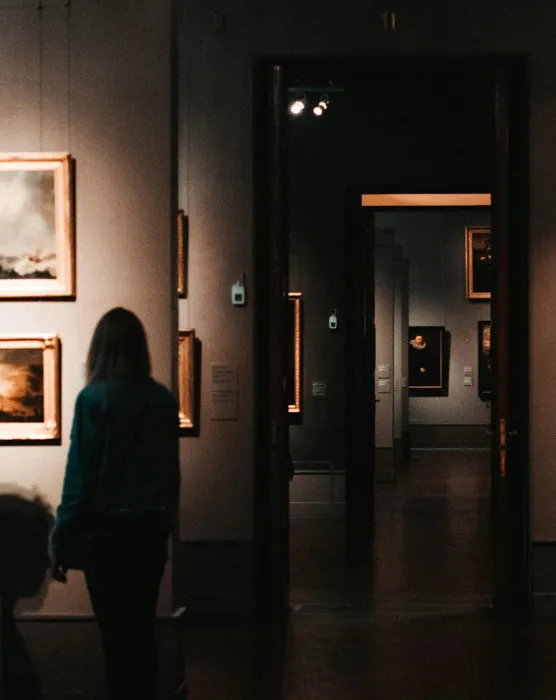
Photo by Artur Matosyan on Unsplash
WRAP-UP!
New curatorial ethics are about giving the stage back to the original owners of the cultural narrative to speak for themselves. When visiting cultural exhibitions, try to research the community background behind the works to gain an appreciation deeper than mere visual aesthetics.
Looking to feature your brand and business through Alinear Indonesia’s Smart Publication & Smart Activation? Share your experience and consult with us today. Contact us!
![Alinear Indonesia [Brand/Business Registration] Smart Publication & Smart Activation](https://www.alinear.id/assets_web/images/qr-codes/3e23e7dab43d2e72854ba48a3a09cf75.jpg)