
The Seconds That Altered Our Perception
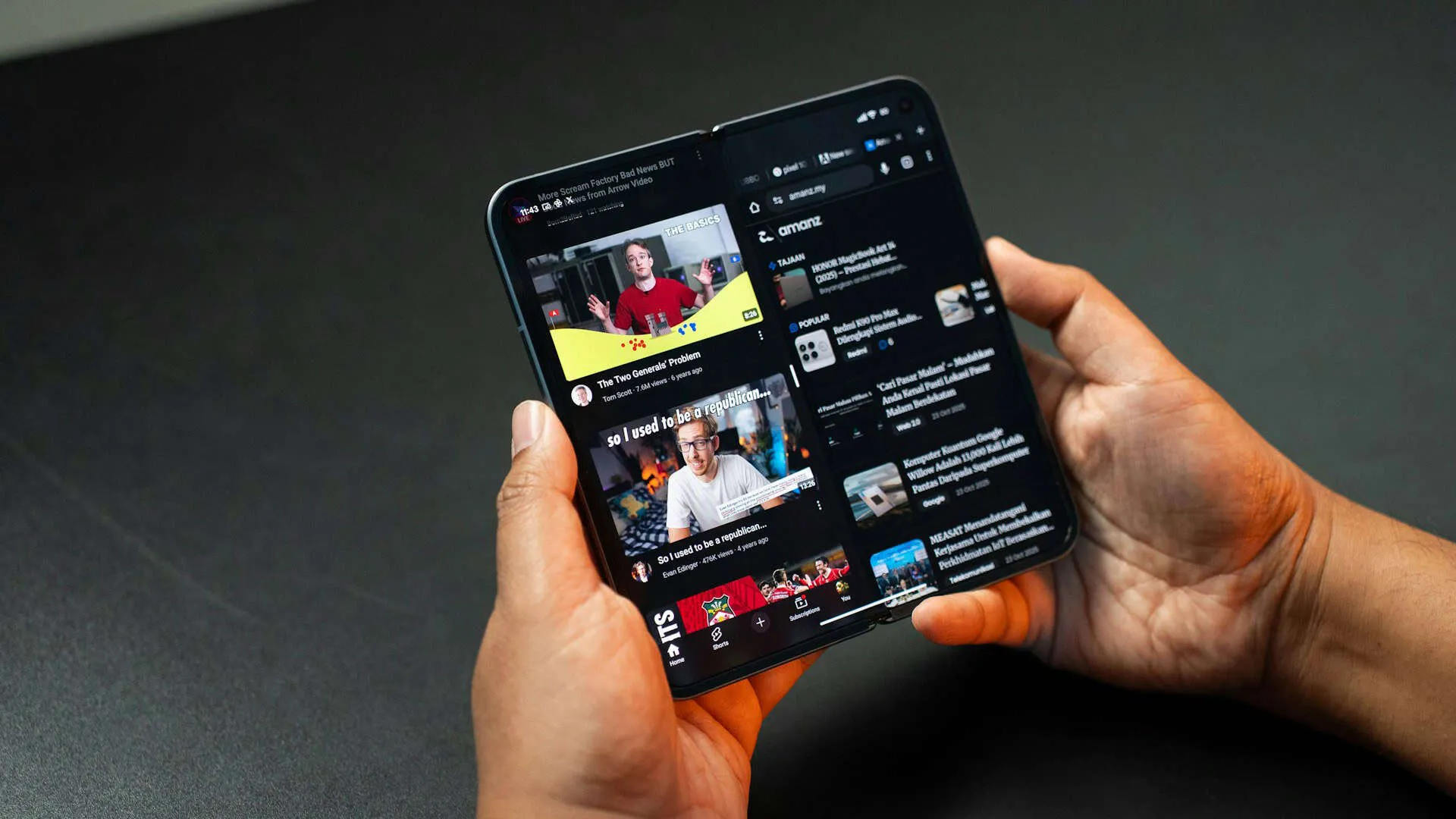
It is undeniable: TikTok, Instagram Reels, and YouTube Shorts have fundamentally shifted how we consume entertainment. Within 15 to 60 seconds, we can obtain information, humor, or intense emotional triggers. These short-form video formats offer a rapid, infinite hit of dopamine.
However, this convenience comes at a steep price. Media critics and researchers are growing concerned that constant exposure to this hyper-stimulating, fast-paced content is damaging our capacity to process—let alone enjoy—content that requires a deeper investment of time and attention.
Are we slowly losing the ability to sit still and appreciate slow cinema, a thick novel, or a concept album that demands a serious listener? Let’s examine the impact of fast entertainment on our brains and our tastes.

Physiological Changes (The Dopamine Effect) – The rapid consumption of short-form videos directly affects the brain’s reward system.
1. Training the Brain for Instant Rewards
Every time we finish a video, the brain releases a small amount of dopamine (the "feel-good" hormone). Short-form platforms provide a never-ending stream of these rewards. The faster the reward arrives, the more addicted we become. Consequently, the brain becomes impatient and restless when a reward is delayed—such as during the first 30 minutes of a film dedicated to character building.
2. Attention Residue and Multitasking
"Attention Residue" refers to the lingering focus from a previous task or piece of content that remains when we switch to something new. When we scroll through dozens of different videos in minutes, the brain struggles to clear these residues, leading to mental fatigue and making it difficult to offer full focus to a single, long-form narrative.
Impact on Industry and Art (The Future of Slow Content) – The short-form trend isn't just changing the audience; it’s forcing creators and industries to adapt.

Photo by Detail .co on Unsplash
1. The "Fast-Paced Cut" in Cinema
Directors and editors now feel the pressure to maintain the attention of viewers accustomed to a rapid rhythm. Many modern films, especially blockbusters, feature faster cuts, intense action sequences right at the start, and shorter scene durations to prevent viewers from reaching for their phones.
2. The Death of the Album
In a world dominated by streaming singles and curated playlists, listening to an album from the first track to the last has become a rare act. Short-form media causes songs to be judged solely by their 15-second "hooks," ignoring the artistic structure, narrative, and emotional flow presented by an album as a complete work.
3. The Struggle of Slow Cinema
Slow Cinema—a genre that prioritizes atmosphere, deep character development, and deliberate pacing—now feels like a niche accessible only to a few. Films that demand patience and reflection must now compete with content that demands an instant reaction.

Photo by Prateek Katyal on Unsplash
Reclaiming a Healthy Attention Span – Maintaining the ability to enjoy "slow" content is a new form of digital wellness.
•• Practice Conscious Focus: Implement a "One Full Content" rule. If you start a movie or a book, turn off notifications and commit to not checking your phone for a set interval (e.g., 25 minutes).
•• Seek Productive Boredom: The aversion to boredom is the root of scrolling addiction. Set aside 15–30 minutes without digital stimulation (sit quietly, look out the window, or just drink tea). This trains the brain to tolerate—and eventually appreciate—silence.
•• Schedule "Slow Consumption": Treat watching a long film or reading a chapter as an event that needs to be scheduled, not just a filler for spare time. By assigning it specific value and time, you will appreciate it more.

Photo by Kevin Grieve on Unsplash
WRAP-UP! – Choosing Depth Over Speed
The power of fast entertainment is inevitable, but its negative impact on our attention span can be mitigated.
Amidst a flood of instant content, choosing to enjoy a two-hour film, listen to a full album, or finish a complex novel is an act of cultural resistance—a conscious commitment to depth and artistic value. Do not let quick dopamine hits rob you of your ability to enjoy the beautiful stories that require patience to unfold.
What was the last long-form movie or album you managed to enjoy in its entirety?
"Our brains are no longer trained to wait. In an era where instant dopamine is the primary currency, enjoying a slow-burn film or a complex album feels like labor rather than leisure."



![Alinear Indonesia [Brand/Business Registration] Smart Publication & Smart Activation](https://www.alinear.id/assets_web/images/qr-codes/3e23e7dab43d2e72854ba48a3a09cf75.jpg)