


Photo source: IMDB (Web)
Box office action cinema exploration frequently gets caught in overblown visual effects that distance viewers from a tangible sense of danger. Top Gun: Maverick charts a different course by placing cameras right in front of the pilots' faces inside cramped, instrument-packed cockpits.
Video source: Paramount Pictures (YouTube)
When jets streak past velocity thresholds accompanied by thunderous engine roar, audiences do not merely watch aerial spectacle from afar—they feel spatial confinement, mechanical vibration, and life-or-death stakes unfolding within split seconds.
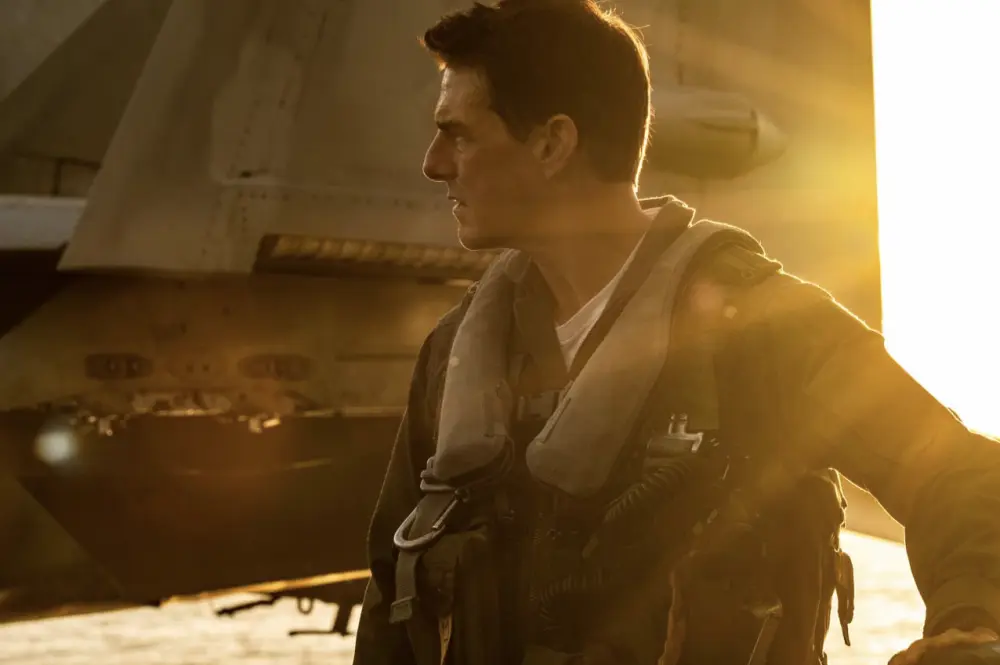
Photo source: IMDB (Web)
Top Gun: Maverick builds physical and emotional tension simultaneously through tight camera placement inside confined cockpits and high-speed jet movement captured for real. Interweaving sharp maneuvers, intense gravitational pressure shifts, and breathing pauses between characters keeps the narrative tempo calibrated so personal drama stays grounded amidst large-scale action.
Video source: Paramount Pictures (YouTube)
"Tight cockpit cameras and high-speed maneuvers generate physical tension felt right in the audience's seat."
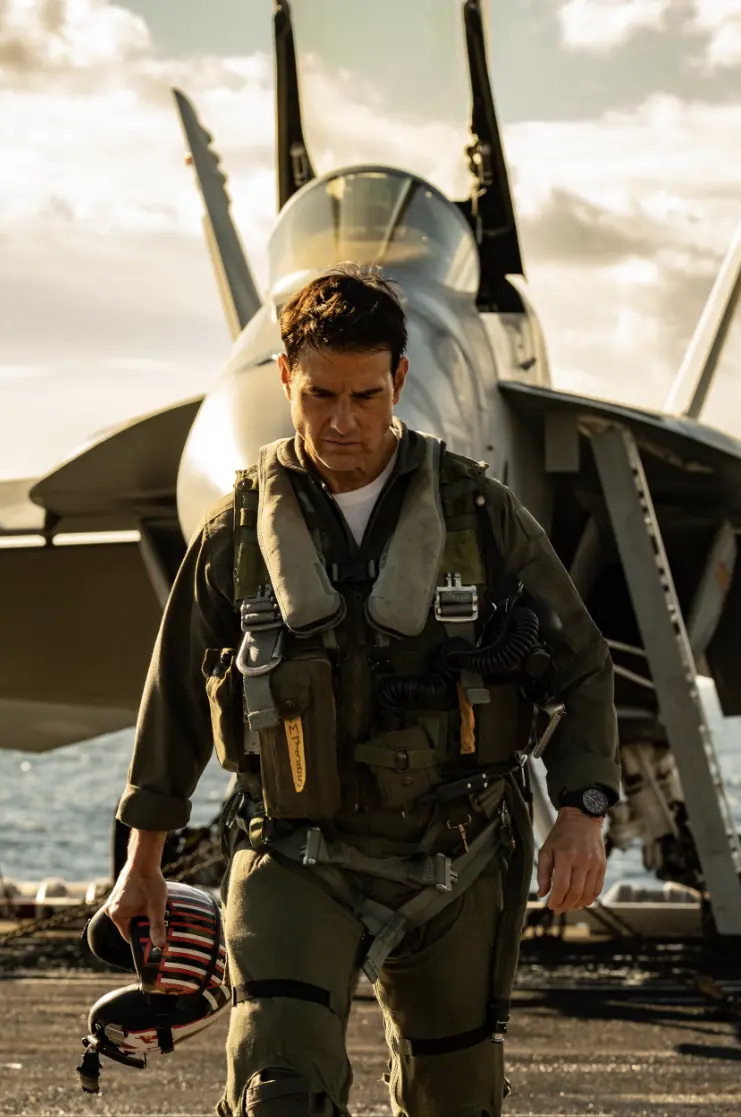
Photo source: IMDB (Web)
What Makes Tight Cockpit Angles So Physically Constraining?
The triumph of Top Gun: Maverick's cinematography in generating visceral tension rests on refusing to give viewers' eyes a safe buffer. Inside a tight canopy crowded with switches and gauges, every head turn, control-stick pull, and subtle facial strain under heavy G-forces registers with raw honesty that pure animation struggles to match.
Video source: IMAX (YouTube)
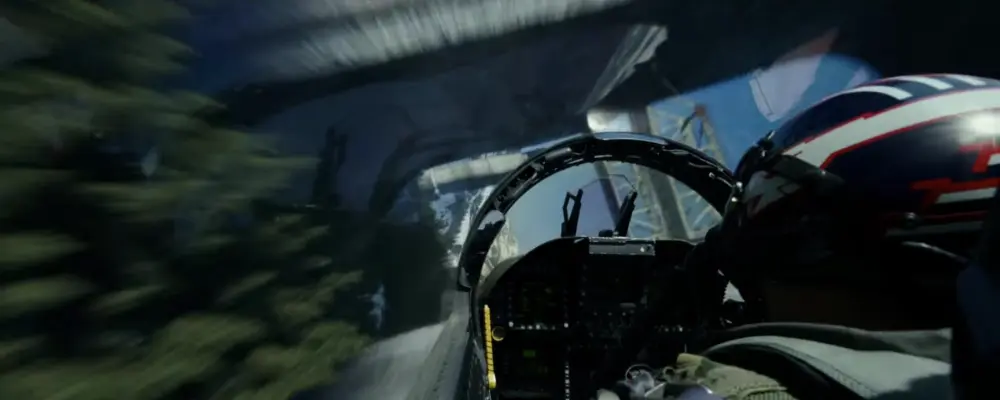
Photo source: IMDB (Web)
This modern action cinema production approach draws audiences directly into the rhythm of an enclosed space. As jets dive sharply or bank low over terrain, the boundary between screen and auditorium softens through layered turbofan roar and camera frames moving in sync with aircraft inertia.
Video source: OneRepublicVEVO (YouTube)
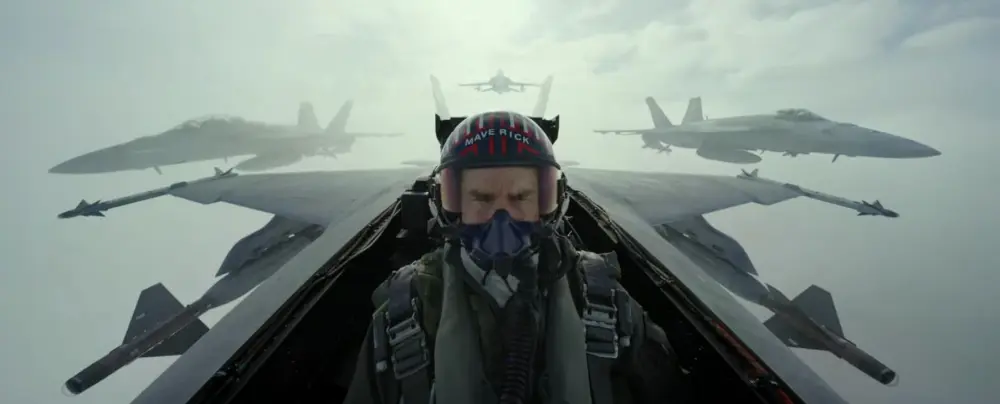
Photo source: IMDB (Web)
How Do Sharp Maneuvers and Breathing Pauses Keep Emotion Grounded?
Every sharp maneuver, shift in gravitational pressure, and breathing pause between characters is woven together with a calibrated tempo so emotional conflict remains grounded amidst large-scale action. Rather than driving adrenaline relentlessly without relief, the film's direction leaves room to breathe between intense flight sequences.
Video source: Take a Look: Celebrity Interviews & Movie Reviews (YouTube)

Photo source: IMDB (Web)
That tension dynamic works effectively because it stays anchored in human relationships behind the controls. Amidst high-risk missions and tight operational clocks, glances held, fleeting hesitation, and terse exchanges between characters give emotional weight to every decision in the air.
When mechanical pressure peaks during extreme maneuvers, audiences care not only because an aircraft could go down, but because personal bonds and unresolved history are actively on the line.

Photo source: IMDB (Web)
"Breathing pauses between characters keep emotional conflict grounded amidst roaring engines and large-scale action."
Technically, the film relies on real aerial photography inside modified fighter jet cockpits rigged with multi-camera arrays capturing actor performances live in flight. Sound design plays a vital role in contrasting full-throttle engine roar against brief pockets of quiet right before decisive maneuvers begin.
Video source: Oscars (YouTube)
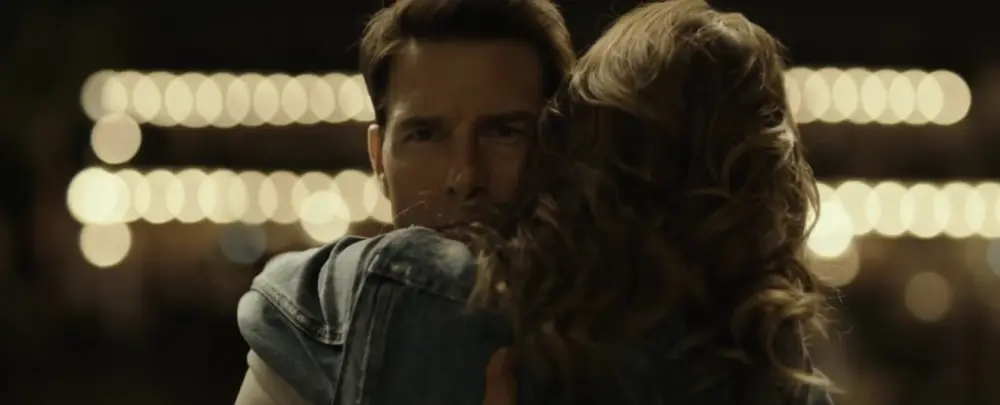
Photo source: IMDB (Web)
From a box office viewing perspective, Top Gun: Maverick delivers a rare union of sweeping blockbuster spectacle and lean, focused character storytelling. The film proves that high-speed action hits harder when paired with disciplined pacing and clear dramatic stakes.
Video source: Paramount Pictures (YouTube)
Why Is a Calibrated Tempo Key to Large-Scale Action Cinema's Staying Power?
Evaluating the strength of Top Gun: Maverick means examining how pacing determines whether an action film feels exhausting or absorbing. Many large-scale productions stack chase sequences back-to-back until viewers lose sensitivity to peril.
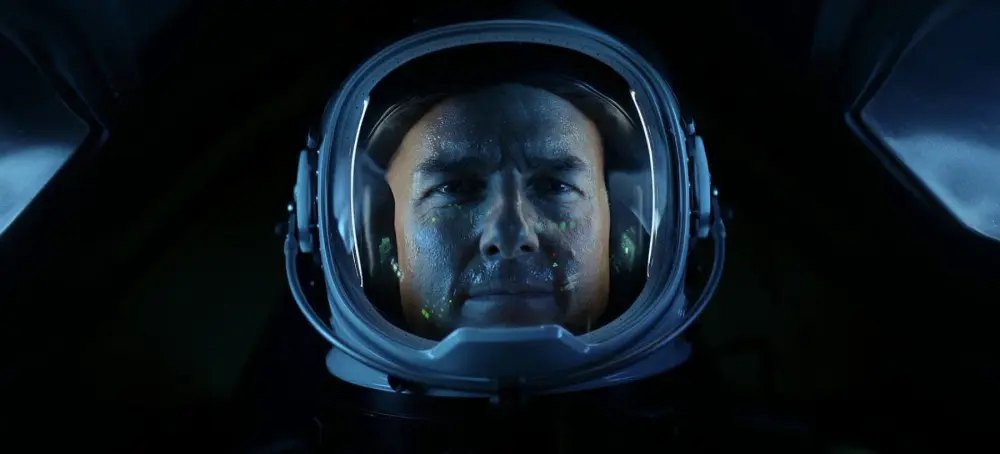
Photo source: IMDB (Web)
By contrast, this film calibrates rising and falling tension with precision—linking rigorous training runs, friction on the ground, and a high-stakes mission aloft along a clear cause-and-effect arc. Every action sequence serves a dramatic purpose that pushes characters to adapt or commit, ensuring grand scale never feels hollow.
Ultimately, the tension in Top Gun: Maverick affirms that the finest action cinema grows out of honest physical sensation, disciplined pacing, and human emotion that stays palpable right through the roar of the engines.
"A calibrated tempo proves that gripping action spectacle always rests on clear emotional weight."
Video source: Paramount Pictures (YouTube)
WRAP-UP!
The quick field notes review Engine Roar and Tight Cockpit Angles in the Tension of 'Top Gun: Maverick' reinforces the Cinema & Movies Box Office Review pillar, proving that tight cockpit camera proximity, high-speed jet movement, sharp maneuvers, gravitational pressure shifts, and breathing pauses between characters create calibrated tension with grounded emotional conflict amidst large-scale action.
Photo source: IMDB (Web)
Explore our reviews of box office action cinema, analyses of theatrical cinematography and sound design, and curated big-screen recommendations with Alinear Indonesia.
Ready to Elevate Your Business and Brand to the Forefront of the Digital Era?
Discover how Alinear Indonesia’s integrated Advertorial+ (Smart Publication & Smart Activation) solutions combine media PR with AI-driven intelligence and the power of storytelling to multiply your business visibility and credibility (Brand Authority). Consult your vision and growth strategy with us today. [Click Here to Begin!]