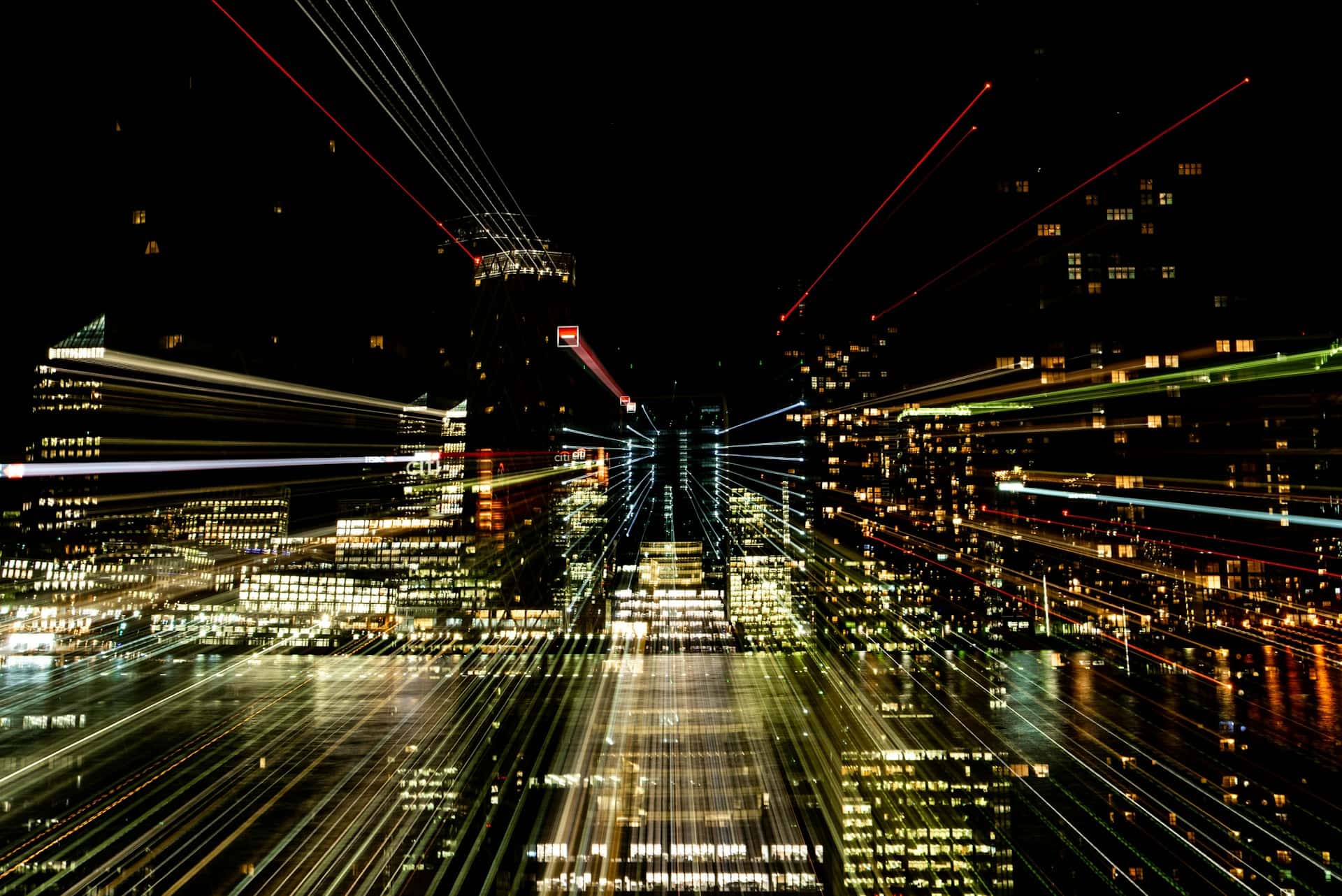











"Spiritual transformation through digital detoxification: Reclaiming control of our attention from the trap of instant stimulation in a hyper-connected era."
The War Against Distraction in the Holy Month
Our environment is increasingly designed to harvest our attention every second. Incessant notifications, hypnotic short-form videos, and highly personalized algorithms have created a state of "dopamine addiction" in urban societies. Amidst this digital noise, Ramadan arrives not just as a religious ritual, but as the most effective Dopamine Fasting protocol when practiced with full awareness.
Under this Special Coverage, we dissect how fasting should be a momentum to break the circuit of digital addiction. If fasting of the stomach aims to cleanse the physical body, then "digital fasting" aims to cleanse our cognition, restoring our ability to focus and regrowing the depth of thought often lost to constant distraction.

Photo by Artur Kornakov on Unsplash
The Science of Dopamine: Why Do We Always Feel Tired?
Dopamine is the hormone responsible for our brain's reward system. The problem is that excessive social media use provides cheap "instant dopamine," which blunts our brain receptors. As a result, we often feel anxious, struggle to concentrate on meaningful tasks, and constantly feel the need for new stimulation to feel "alive."
"The challenge of modern fasting is no longer just enduring thirst under the scorching sun, but restraining our thumbs from the temptation of infinite scrolling that drains our mental energy."
When we fast, the body is conditioned to delay gratification. By extending this concept to device usage, we are giving the brain a chance to reset its dopamine sensitivity levels. By reducing the intake of shallow digital stimulation, we train the brain to re-appreciate substantial matters—such as spiritual reflection or deep conversations with loved ones.

Photo by Rahadiansyah on Unsplash
The "Low-Signal" Strategy During Ramadan
Implementing Dopamine Fasting doesn't mean discarding your phone entirely; it means becoming more selective. The "Low-Signal" strategy encourages us to turn off non-essential notifications and set specific "device-free" hours, such as one hour before breaking the fast and after Suhoor.
These moments are crucial as the brain is usually at its calmest. By staying away from screens, we allow our minds to wander creatively and spiritually. The boredom that arises is actually a signal that the brain is beginning to heal. Boredom is the doorway to contemplation, and Ramadan provides the perfect time to walk through that door.

Photo by Abdullah Arif on Unsplash
Returning to the Inner Depth
Ramadan is a golden momentum to take back control of our attention. By integrating Dopamine Fasting into our fast, we gain not only spiritual freshness but also cognitive sharpness and emotional calm. Let this Ramadan be the first step in building a healthier relationship with technology, where we are in control, not the algorithm.

"True victory is when you realize that inner peace is far more satisfying than the instant gratification behind your glass screen."
WRAP-UP!
Digital fasting during Ramadan is a vital strategy for mental health recovery and spiritual quality enhancement in a hyper-digital age. Try a "No-Phone Hour" challenge every day from after Fajr prayer until sunrise to experience extraordinary mental clarity. How much has your screen time decreased since you started fasting? Share this article to invite your friends to a digital detox!