










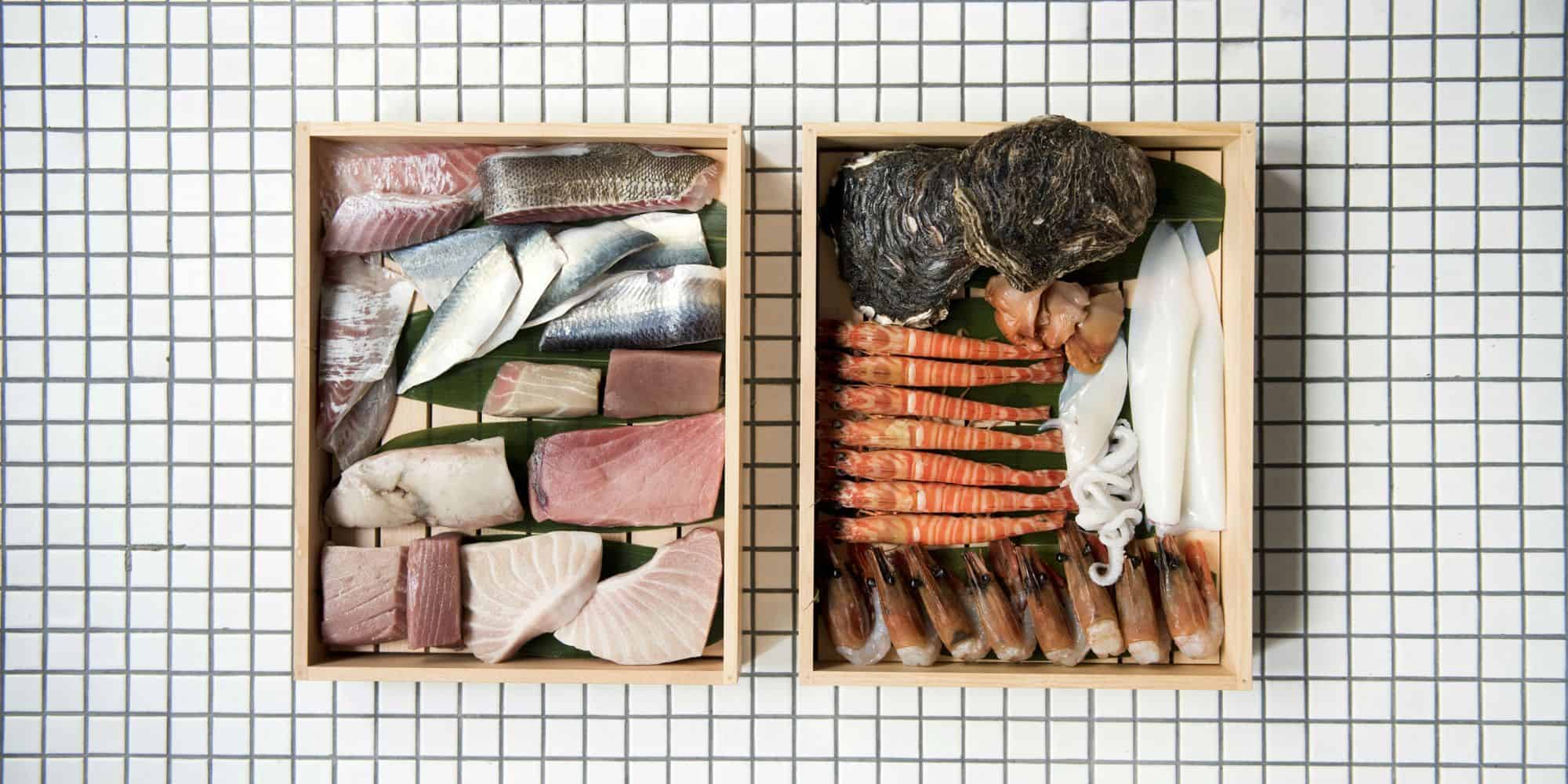
"When Time Transforms Freshness into a Masterpiece: Exploring the Scientific Precision Behind Perfect Fish Tenderness."
Photo source by Tatler Asia (Web)
The aging technique traditionally associated with beef (dry-aged beef) has officially made its mark on the world of seafood through Dry-Aged Sashimi. In 2026, the concept of "freshness" in Japanese cuisine has undergone a radical shift. While a morning catch was once considered the pinnacle of quality, today’s gastronomes are turning toward fish that has undergone a meticulously controlled maturation process.
By storing fish in an environment with highly precise temperature and humidity for several days to weeks, natural enzymes within the fish break down muscle tissues and proteins. The result? A texture that is significantly softer and an explosion of savory flavor, or umami, that is many times more intense than its fresh counterpart.
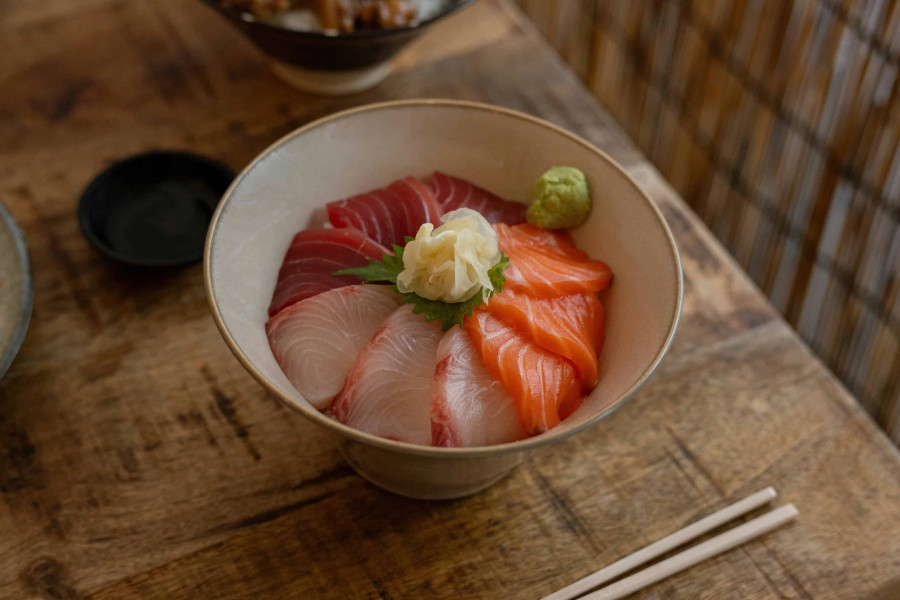
Photo source by Broadsheet (Web)
The Science of Flavor Concentration
The primary goal of dry-aging fish is to slowly remove excess moisture. Without the dominance of water, the original flavor profile of specific species—such as Tuna (Maguro) or Sea Bream (Madai)—becomes highly concentrated.
Fish that has undergone this process possesses a richer dimension of flavor compared to ordinary fresh fish. For culinary enthusiasts, dry-aged sashimi offers a distinct sensory experience; its texture is almost buttery, melting on the tongue with a significantly more complex and mature aromatic profile.
"True deliciousness often requires time to ripen, turning raw freshness into a profound masterpiece of flavor."
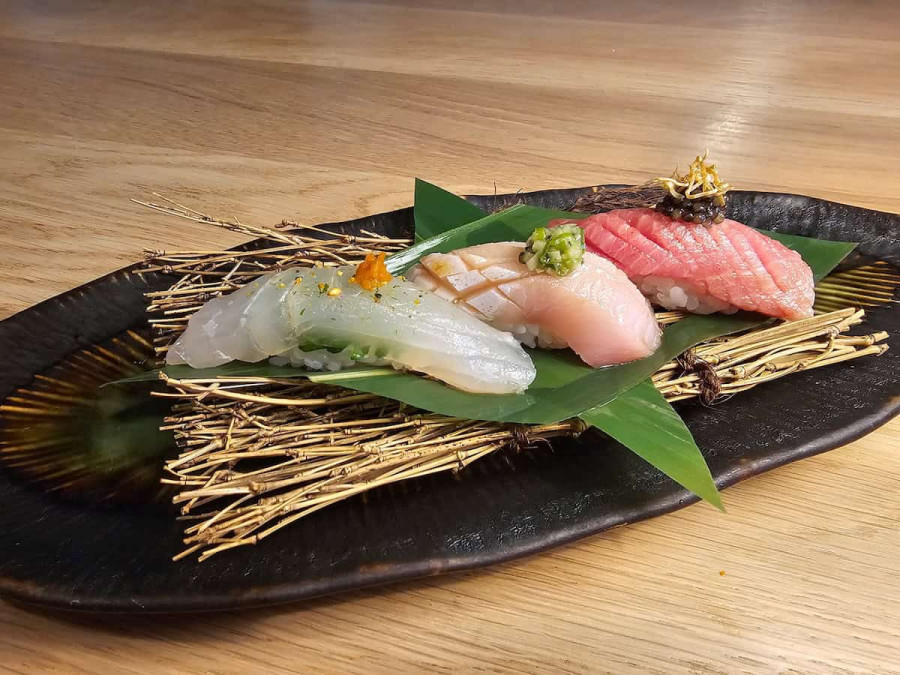
Photo source by Dining Out (Web)
This technique is far from simple. It requires expert skill and a deep understanding of food safety to ensure the fish remains hygienic throughout the maturation period. Controlling air circulation and maintaining stable temperatures are the keys to preventing harmful bacteria from developing while internal enzymes perform their "magic" on the fish meat.
The presence of dry-aged sashimi in high-end restaurants reflects a shift in urban consumer tastes. Today’s diners value "depth of flavor" over mere physical freshness. It is a celebration of time and culinary precision.
Omakase Innovation
In a modern Omakase session, dry-aged sashimi is often the most anticipated highlight. Chefs use this technique to accentuate the specific character of each cut. Every slice served is no longer just a piece of protein, but the result of an elegant transformation process driven by culinary dedication.
Photo source by Boatshed Market (Web)
This innovation proves that culinary progress doesn't always mean adding new ingredients; sometimes, it’s about treating existing ingredients with techniques that push traditional boundaries.
"In every slice of dry-aged sashimi, we aren't just tasting fish; we are experiencing a symphony of time perfectly suspended on the palate."
WRAP-UP!
Dry-Aged Sashimi is proof that in the world of gastronomy, patience is the most luxurious secret ingredient. This technique sets a new standard for Japanese cuisine, where pure umami becomes the ultimate goal of the creative process.
Looking to feature your brand and business through Alinear Indonesia’s Smart Publication & Smart Activation? Share your experience and consult with us today. Click here!