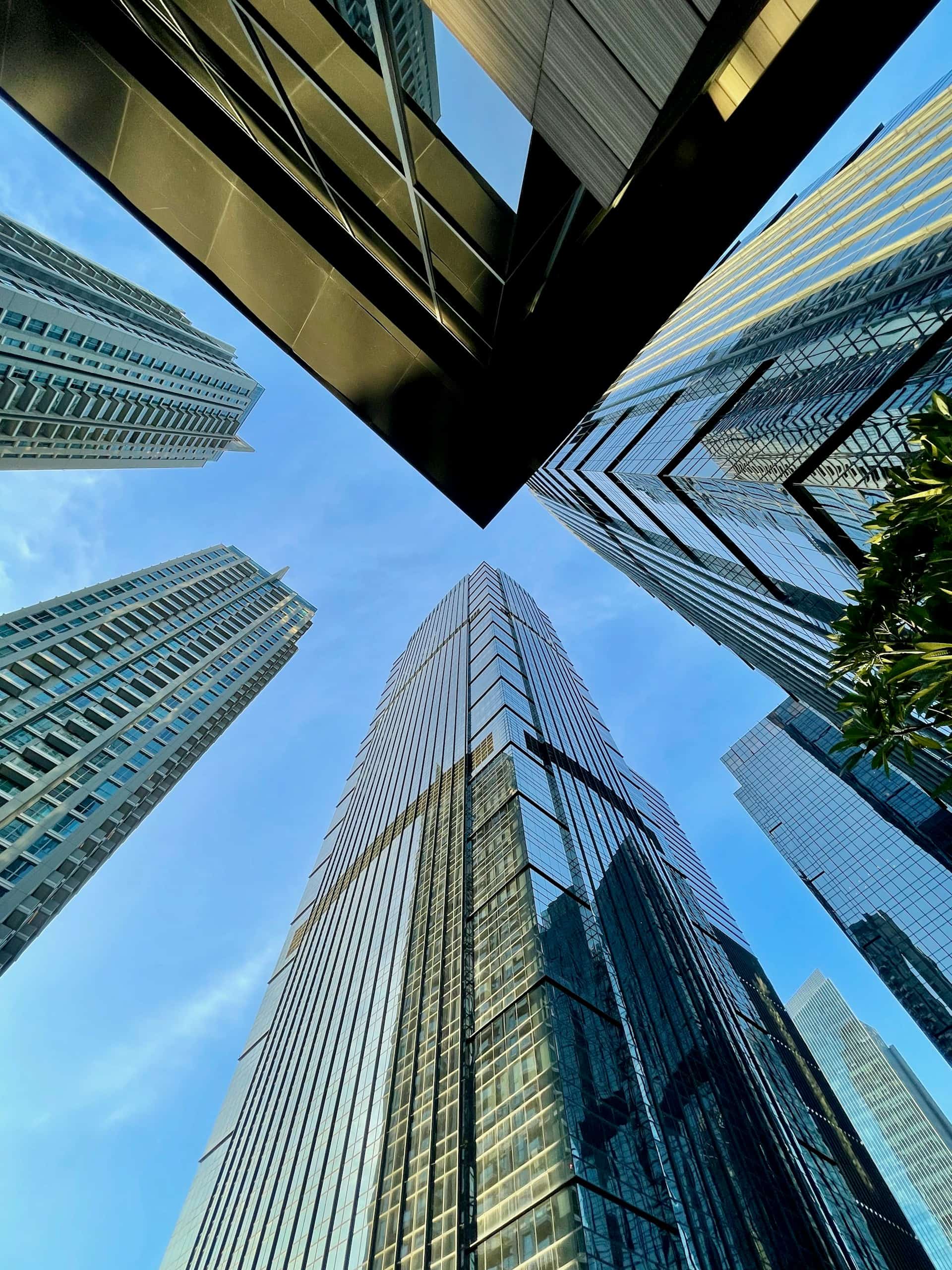











"Understanding why the future of smart technology no longer relies on distant data centers, but on our ability to process information right where it is created."
Photo by drown_ in_city on Unsplash
For the past decade, we have been accustomed to Cloud Computing, where all data is sent to giant servers in remote locations. However, in an era where milliseconds matter, this model is hitting its limits. The main issue is Latency—the time delay for data to travel from device to cloud. The answer lies in Edge Computing. This is a paradigm where data processing happens at the "edge" of the network, as close as possible to the data source, whether it's a smartphone or an autonomous vehicle.
"Information speed is no longer about how far data flows, but about how close we place its processing center."
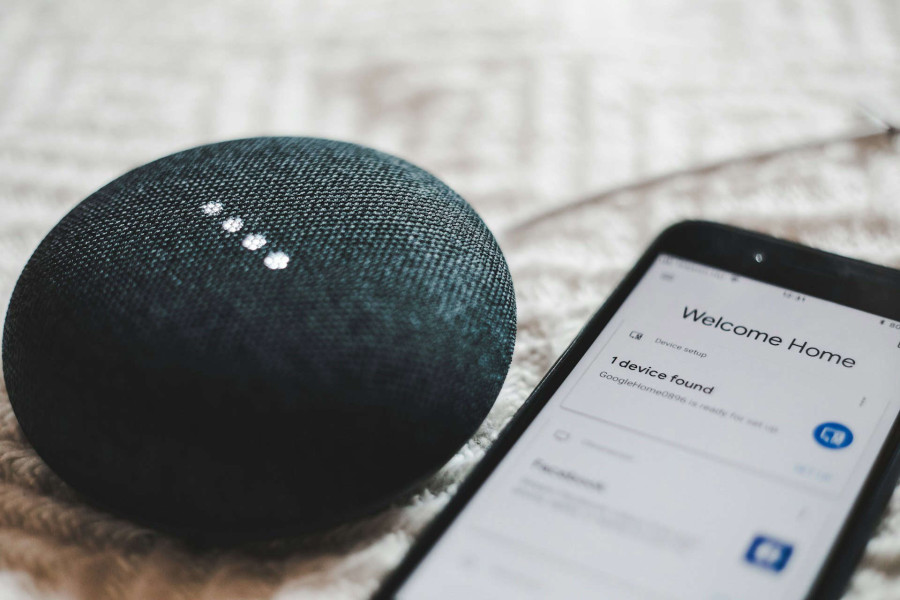
Photo by BENCE BOROS on Unsplash
Imagine a self-driving car in motion. If its sensors had to send data to a server in another country just to decide on emergency braking, a delay of even a few milliseconds could be fatal. With Edge Computing, that decision is made locally within the vehicle's own system. This latency reduction is the key to future applications requiring real-time responses. Beyond speed, this technique drastically reduces the load on global bandwidth as only essential data summaries are forwarded to the main data center.
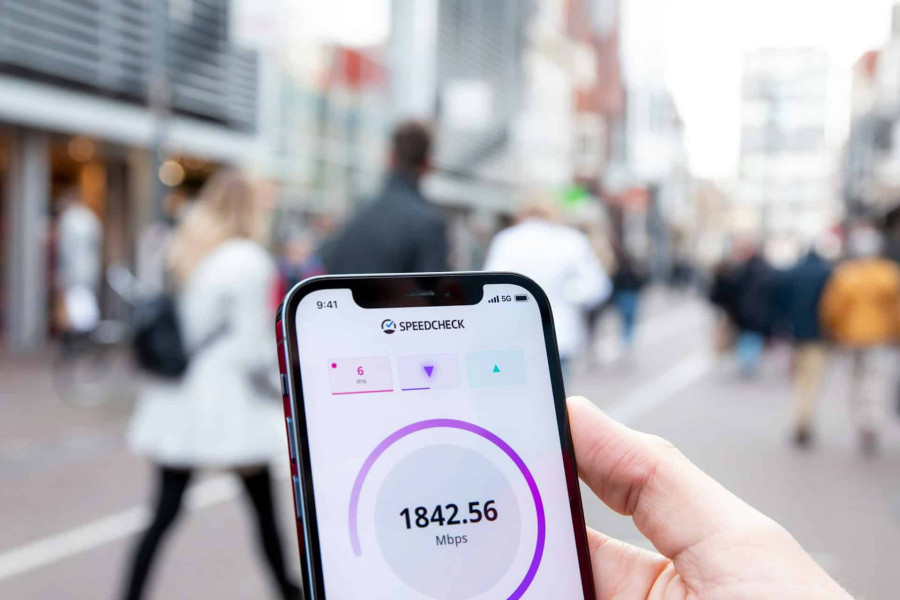
Photo by Frederik Lipfert on Unsplash
Beyond speed, Edge Computing offers significant privacy benefits. Since sensitive data is processed locally, the risk of interception during transit across public networks is much lower. This is crucial for industries like healthcare and manufacturing that protect medical records or production secrets. We are shifting from centralized digital infrastructure toward a distributed and independent ecosystem.
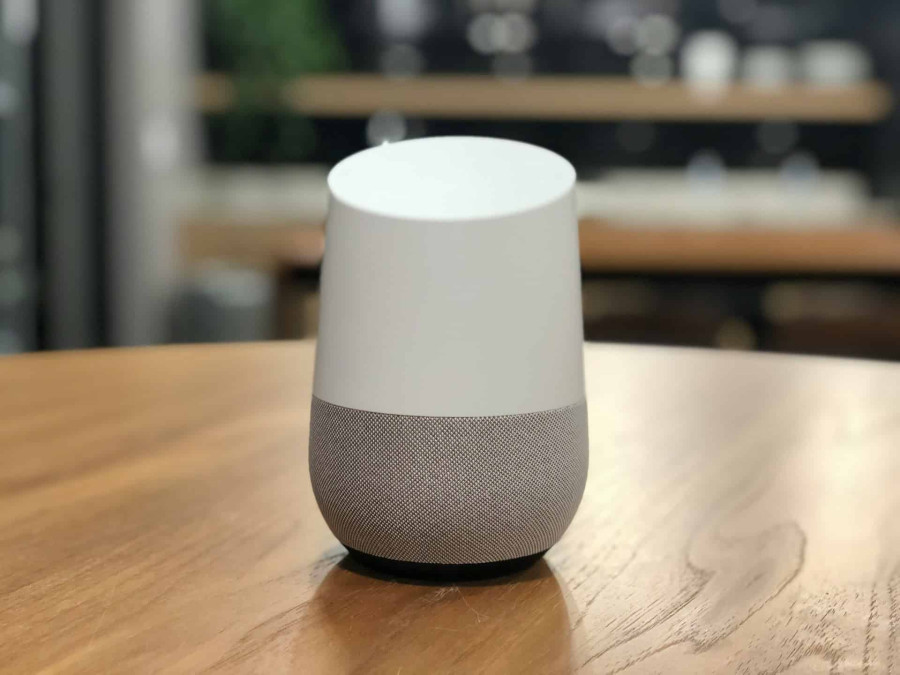
Photo by Kenny Ginapp on Unsplash
Looking ahead, the integration of Edge Computing and AI will create Edge AI. This allows machine learning algorithms to run directly on wearable devices without depending on a stable internet connection. We are no longer just talking about connecting the world, but about making the world respond to us intelligently in the blink of an eye. Edge Computing is the foundation of smart cities that will define efficiency in a complex digital era.
Photo by BoliviaInteligente on Unsplash
"Latency is the enemy of future innovation; it is at the edge of the network that we build the bridge to technology that is truly responsive to humans."
WRAP-UP! – Edge Computing is the logical evolution of the need for speed and data security.
Advice: Notice how the smart devices around you are starting to work more intelligently offline; that is a sign that data processing centers are moving into your hands.