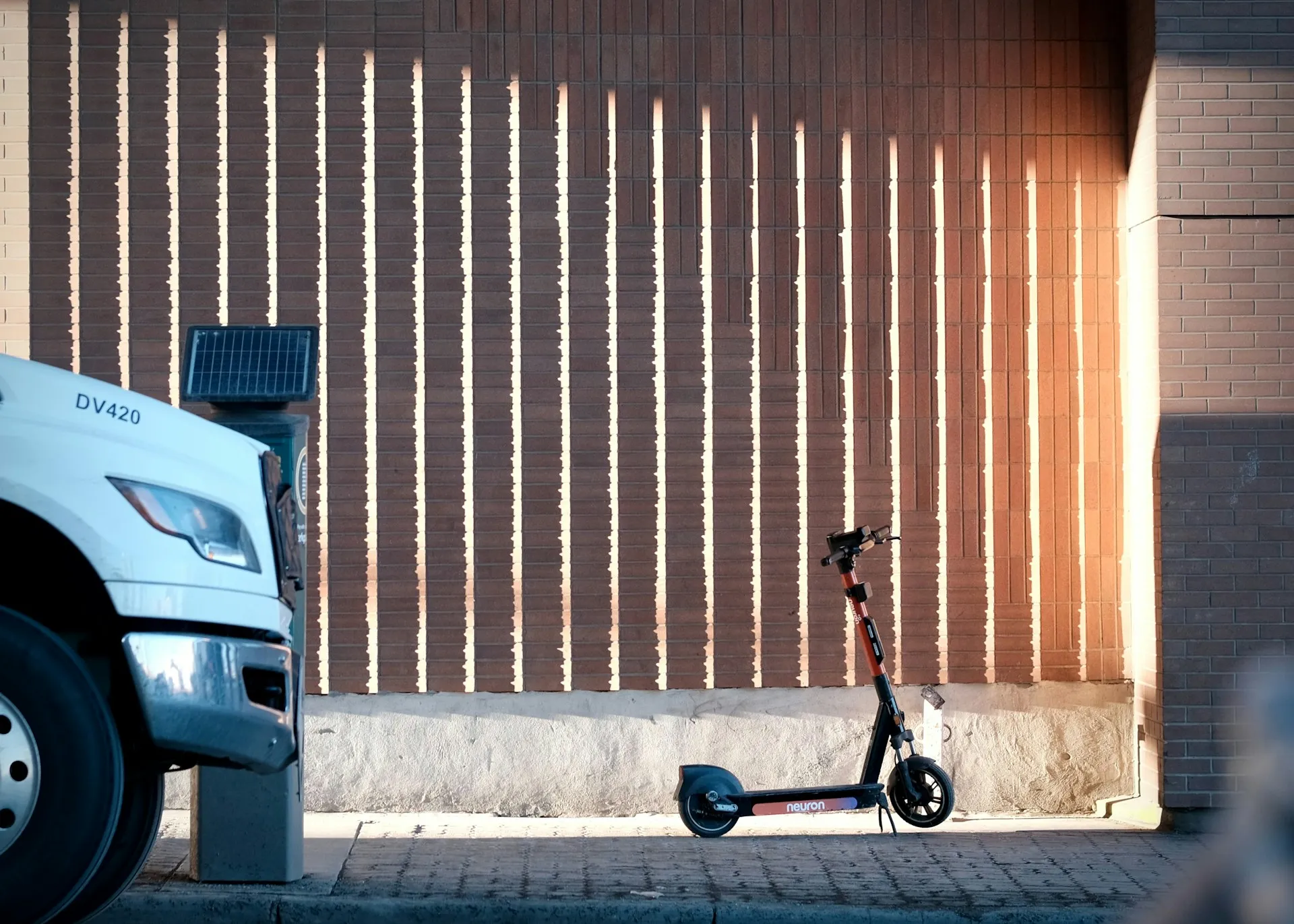

Photo by Kris Tian on Unsplash
The transit landscape across various central business districts is witnessing a significant cultural shift in how people move. High traffic density during peak hours and the demand for time efficiency drive urban populations to explore options outside conventional transportation models. Amidst this transition, a notable behavior has emerged that alters how professionals commute, namely the strategic utilization of Electric Micro-Mobility. The use of tactical, battery-powered vehicles has successfully evolved from a recreational hobby into an alternative format for daily transportation deemed highly efficient.
Bridging Short Routes with High Flexibility
The presence of micro-fleets—ranging from premium electric scooters and folding electric bikes (e-bikes) to monowheels—serves as an option to solve the critical first and last mile challenge, which is the crucial distance between mass transit stations and office buildings. These micro-vehicles provide an exceptional level of flexibility, drastically slashing transit times by utilizing pedestrian pathways or dedicated bike lanes. Furthermore, mobility data indicates that adopting this format reduces reliance on private fossil-fuel-powered vehicles for short distances, while actively contributing to emission reductions in public spaces.

Photo by Yoav Aziz on Unsplash
"Because roadway efficiency is entirely about how smartly you move, not how massive of a vehicle you drive."
New Infrastructure Ecosystems for Eco-Conscious Commuters
This shifting lifestyle phenomenon among eco-conscious commuters goes beyond altering travel habits; it is driving rapid infrastructural adaptations around commercial sectors. The necessity for charging hubs, secure dedicated parking zones, and adequate rest spaces has triggered the integration of new facilities across public areas. This concept moves in perfect synchronization with the essence of Cyclist Hubs, where physical spaces surrounding transit stations are engineered to support an ecosystem of non-emission vehicle users, establishing highly functional interaction zones for modern commuters.
Integration Toward Sustainable Smart City Frameworks
The expanding adoption of electric micro-mobility indicates that the future direction of urban spatial planning is heavily influenced by integrated connectivity. This trend challenges regional planners, commercial developers, and policymakers to supply increasingly inclusive supportive facilities. By allocating a balanced proportion of public space to non-emission micro-vehicles, regional management moves closer toward realizing true Smart City frameworks—living environments that evenly celebrate transit efficiency, environmental preservation, and public comfort.
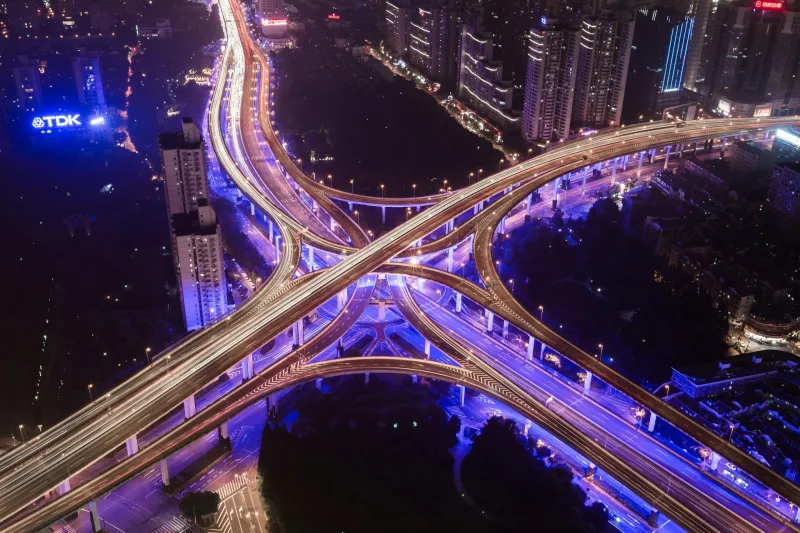
Photo by Denys Nevozhai on Unsplash
"When city streets begin to mute the noise of the ego, micro-vehicles prove that monumental changes can easily start from small wheels."
WRAP-UP!
Electric micro-mobility demonstrates that the key to managing urban circulation bottlenecks lies within tactical mode diversification. Through a mature integration with mass transit networks, this format successfully establishes a premium standard for green, fast, and organized mobility. Are you interested in integrating electric micro-mobility into your daily routine for higher efficiency, or looking to dive deeper into urban spatial layout trends? Stay tuned on Alinear Indonesia!
Looking to feature your brand and business through Alinear Indonesia’s Smart Publication & Smart Activation? Share your experience and consult with us today. Click here!