
Photo source by Alinear Indonesia Docs (Gemini AI - Generated Image)
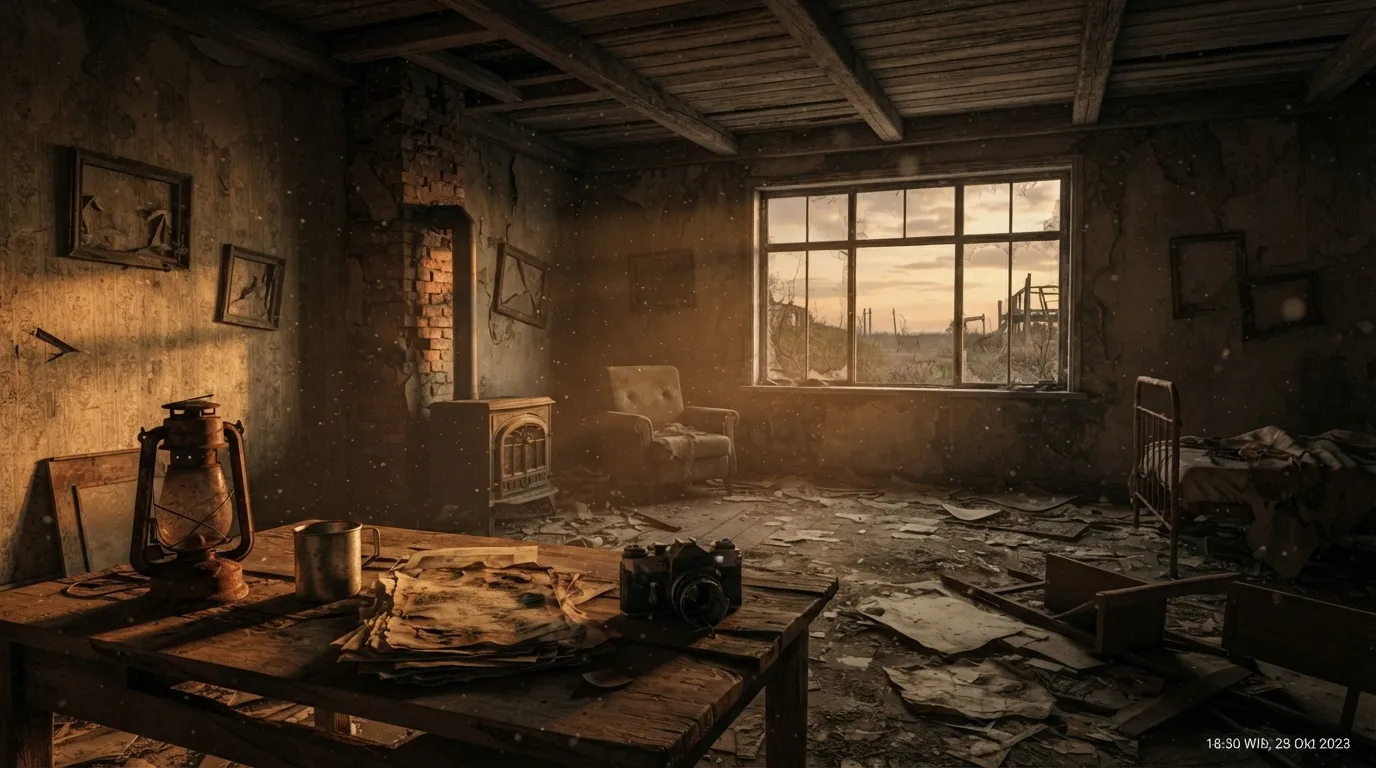
In the history of modern cinema, very few films dare to strip away their primary weapons—dialogue and grandiose background scores—to build tension. A Quiet Place (2018), directed by John Krasinski, stands as a masterpiece of audio design that redefines how audiences listen to a story.
Instead of filling empty spaces with conventional noise, the film positions "silence" as a living main character, regulating the audience's breath and controlling fear through meticulously calculated sound architecture.
"When the world is forced into silence, every breath and grain of friction transforms into a deadly instrument of terror."
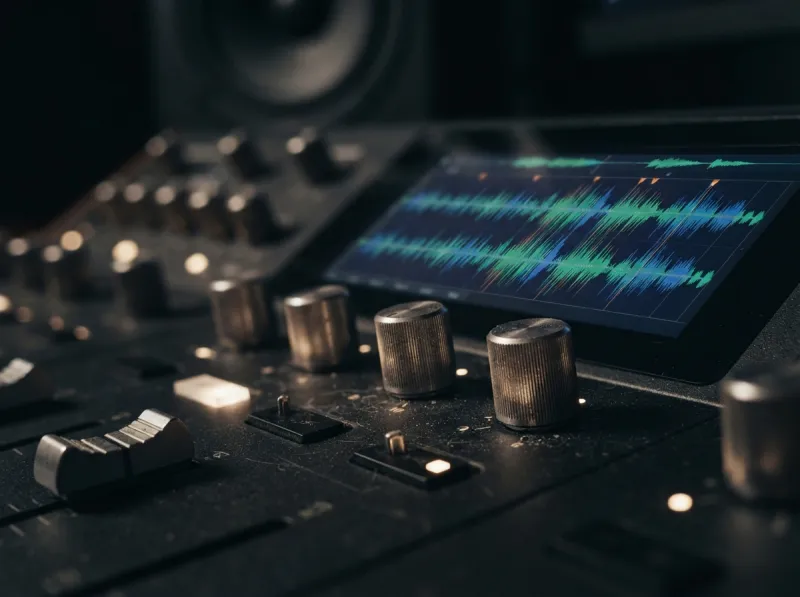
Photo source by Alinear Indonesia Docs (Gemini AI - Generated Image)
Reversing Conventions — From Massive Scores to Low Frequencies
Conventional horror films rely heavily on jump scares backed by massive symphonic orchestras to startle audiences. A Quiet Place takes the exact opposite direction:
•• Extreme Reduction of Dialogue: Characters communicate via sign language, eliminating the verbal noise that typically dominates feature film narrative structures.
•• Dominance of Ambient Sounds: Empty spaces are filled with howling wind, rustling leaves, and low frequencies that subconsciously create a claustrophobic atmosphere, making every floor squeak feel fatal.

Photo source by Alinear Indonesia Docs (Gemini AI - Generated Image)
"The architecture of silence in A Quiet Place proves that a horror film's greatest power lies in gripping stillness, not noise."
The audio department's triumph in this film lies in the meticulous design of foley effects. When the entire theater rests in total silence, every micro-sound detail is amplified to an extreme degree to forge emotional resonance:
•• Friction of Footsteps on Sand: The sound of sand grains grinding beneath characters' bare feet is engineered with high acoustic clarity, serving as the border between safety and mortality.
•• Amplification of Heartbeats and Breathing: Audiences are pulled into the internal perspective of characters via microphones capturing racing heartbeats, turning acoustic stillness into chest-tightening suspense.
Immersive Experiences in Surround Sound Screening Rooms
This audio architecture is specifically engineered for cutting-edge cinema surround sound and Dolby Atmos technologies.
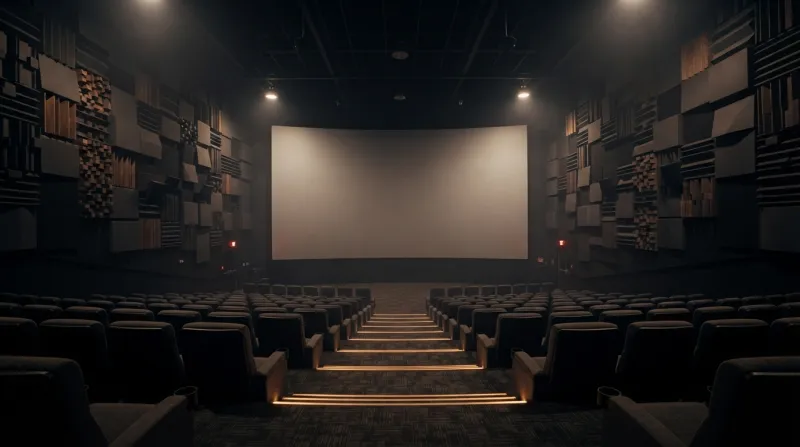
Photo source by Alinear Indonesia Docs (Gemini AI - Generated Image)
Sound moves not only from left to right but envelops the audience spatially. When predatory creatures creep in the background, precise directional audio forces viewers to hold their breath alongside the characters, crafting a collective experience where a single cough inside the theater feels like a fatal mistake.
"Brilliant sound design does not merely fill the ears; it seizes the audience's psychology from the very first frame to the last."
A Revolution of Acoustic Aesthetics in Cinema
A Quiet Place proves that in the audiovisual world, what we do not hear is often far more terrifying than what we do. Through brilliant architectural design of silence, the film successfully elevates the standard of sound design as the primary foundation of immersive cinematic storytelling.
WRAP-UP!
The analysis of A Quiet Place demonstrates how leveraging absolute silence, micro-foley details, and extreme dynamic range can revolutionize cinema sound design into an immersive experience testing human psychological limits. Rewatch key scenes from this film using high-end audio gear or headphones to appreciate the low-frequency layers and micro-sound details often missed in casual viewings.
––
Discover how SR Digital - Alinear Indonesia’s Smart Publication & Smart Activation combines AI-driven intelligence with high-impact human storytelling to amplify your business visibility. Share your vision and consult with us today.
Ready to elevate your brand in the era of AI? Click here!