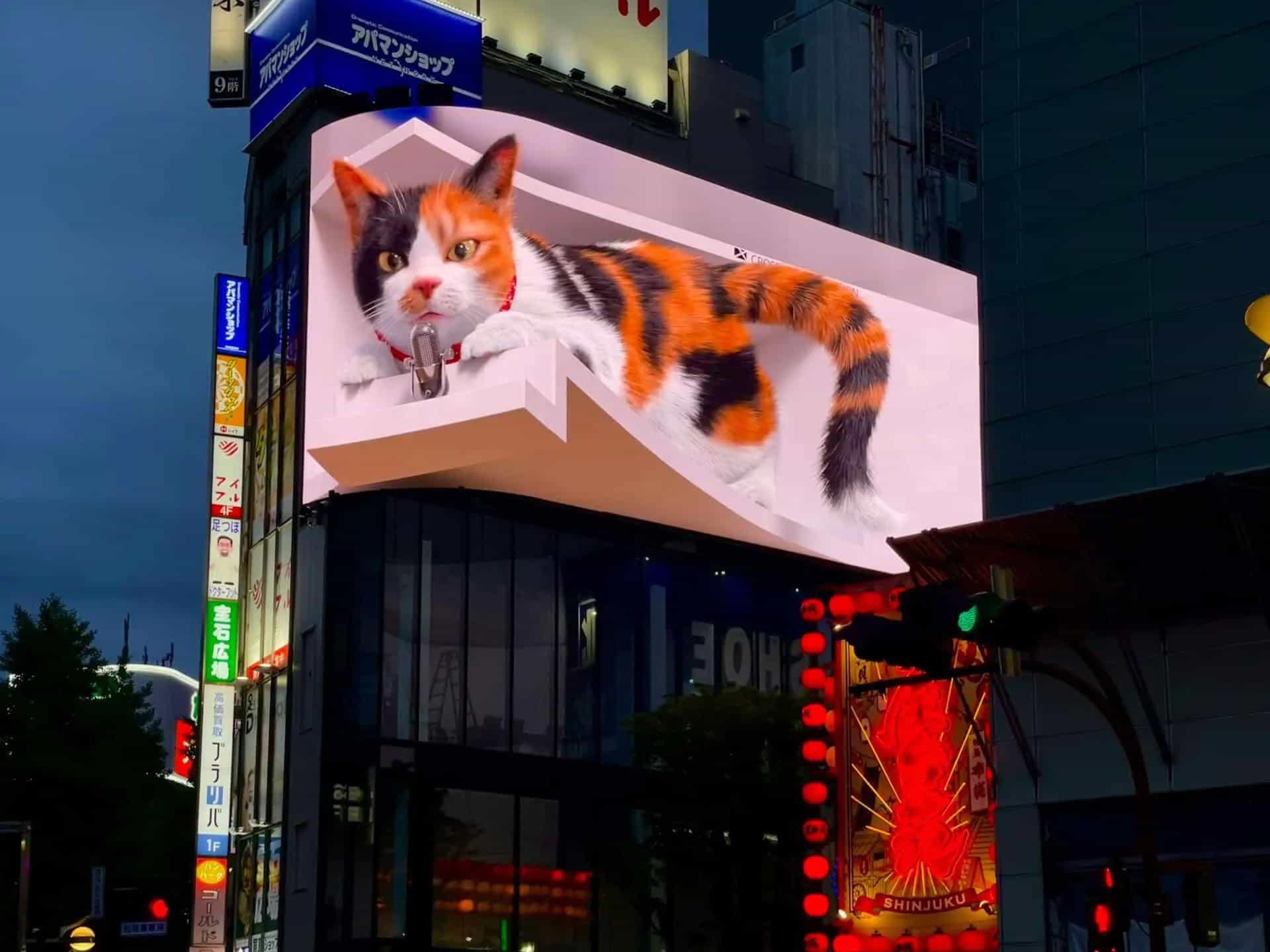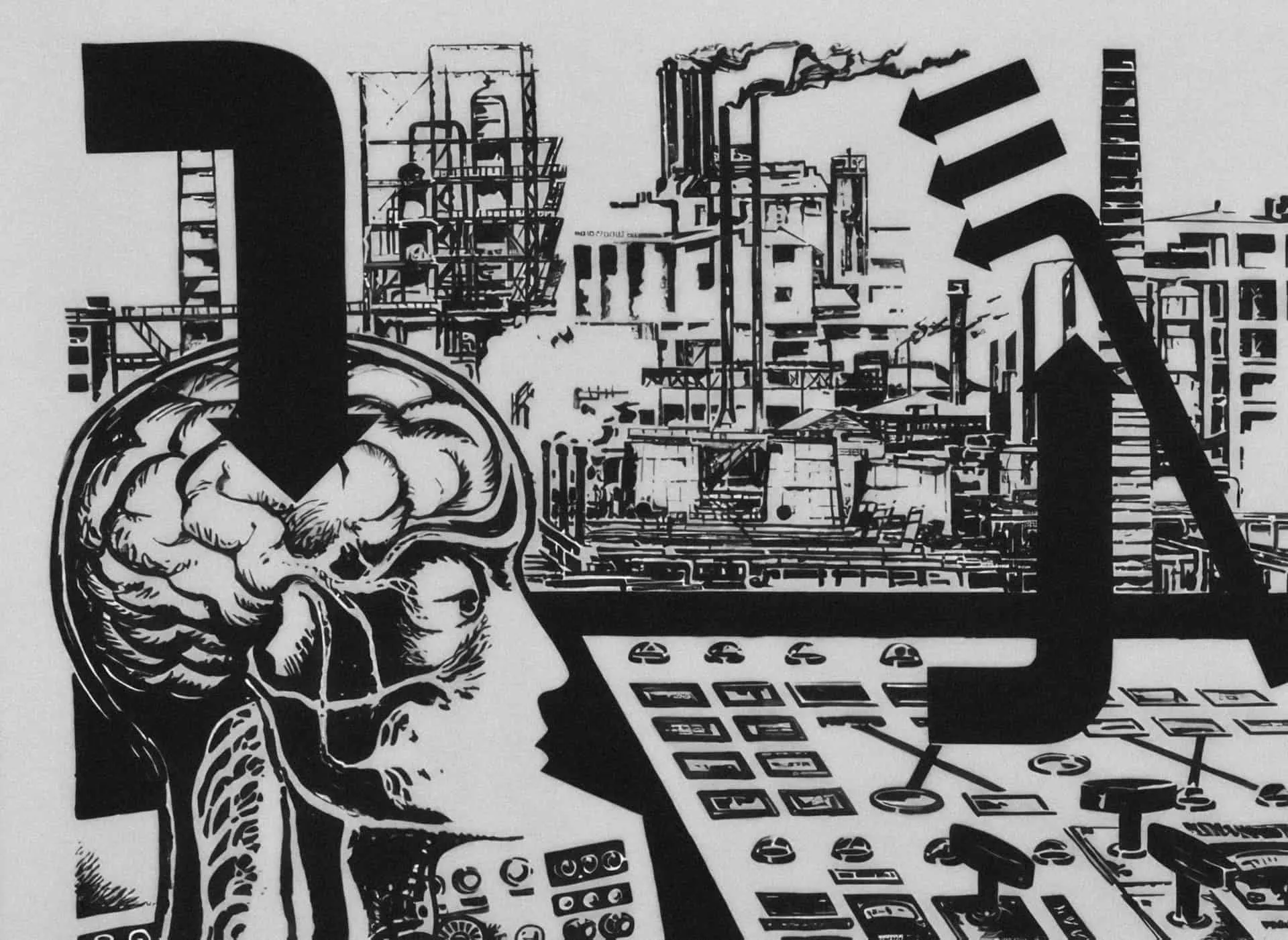

The emergence of Artificial Intelligence (AI) in the art world has sparked the most fundamental debate in the history of modern aesthetics. When algorithms can produce stunning visuals in a matter of seconds, sharp ethical questions arise: where does the human artist stand?
Is AI merely a tool, like the brushes and canvases of the past, or is it a new creative entity that threatens originality? The greatest challenges today lie in the transparency of AI training data—which often utilizes thousands of artists' works without consent—and the legal complexities of defining "ownership" over works born from a single text prompt.
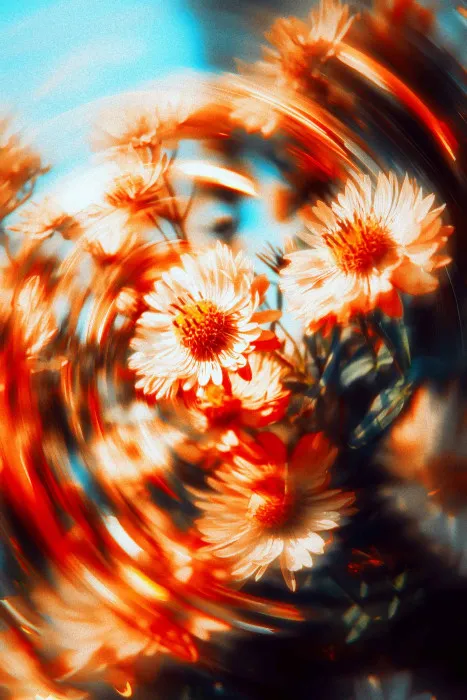
Photo by Egor Litvinov on Unsplash
The Shift from Creator to "Conductor"
However, many art practitioners in 2026 view this not as a threat, but as a new era of collaboration. The boundaries of human creativity are shifting; from manual execution techniques toward the sharpness of vision, idea curation, and philosophical depth.
An artist who uses AI remains the "conductor" who directs the emotion, concept, and narrative behind a work. Ethics in the digital age demand that we value the human creative process—which involves life experience, suffering, and empathy—something that, technically, cannot yet be fully replicated by rows of machine code.
"A machine can mimic a brushstroke, but only the human soul can provide the meaning behind every stroke of color."

Photo by Nicolas J Leclercq on Unsplash
Copyright and Respect for Original Work
Respecting copyright and providing clear credit for original work is key to ensuring technology enriches the art ecosystem rather than eroding the human value within it. In 2026, an "Opt-In" movement has emerged, where artists consciously grant permission for their work to be used for AI training in exchange for fair compensation.
Transparency in the use of AI tools within a piece has become the new moral standard. Works entirely generated by AI and those resulting from human-AI collaboration are beginning to have clear categorizations in both digital and physical galleries, ensuring that the "human touch" continues to receive the highest appreciation.

Ethical Cultural Innovation
We are moving toward a future where technology acts as a catalyst for dreams, not a replacement for the dreamer. Healthy cultural innovation is that which allows machines to handle repetitive tasks while humans maintain control over the moral and aesthetic messages delivered to the world.
The luxury of art in the future will no longer be about technical perfection, but about the honesty of emotion poured into the digital or physical canvas.

Photo by Egor Litvinov on Unsplash
"Technology expands our visual horizons, but the artist's conscience remains the compass that determines the direction of that beauty."
WRAP-UP!
AI ethics in art is about maintaining balance. We embrace the efficiency of technology without abandoning our respect for the human creative process. Ethical collaboration will give birth to works that are not only visually beautiful but also rich in meaning. In your opinion, does a work created with the help of AI deserve to be called "Fine Art"?
Looking to feature your brand and business through Alinear Indonesia’s Smart Publication & Smart Activation? Share your experience and consult with us today. Click here!