










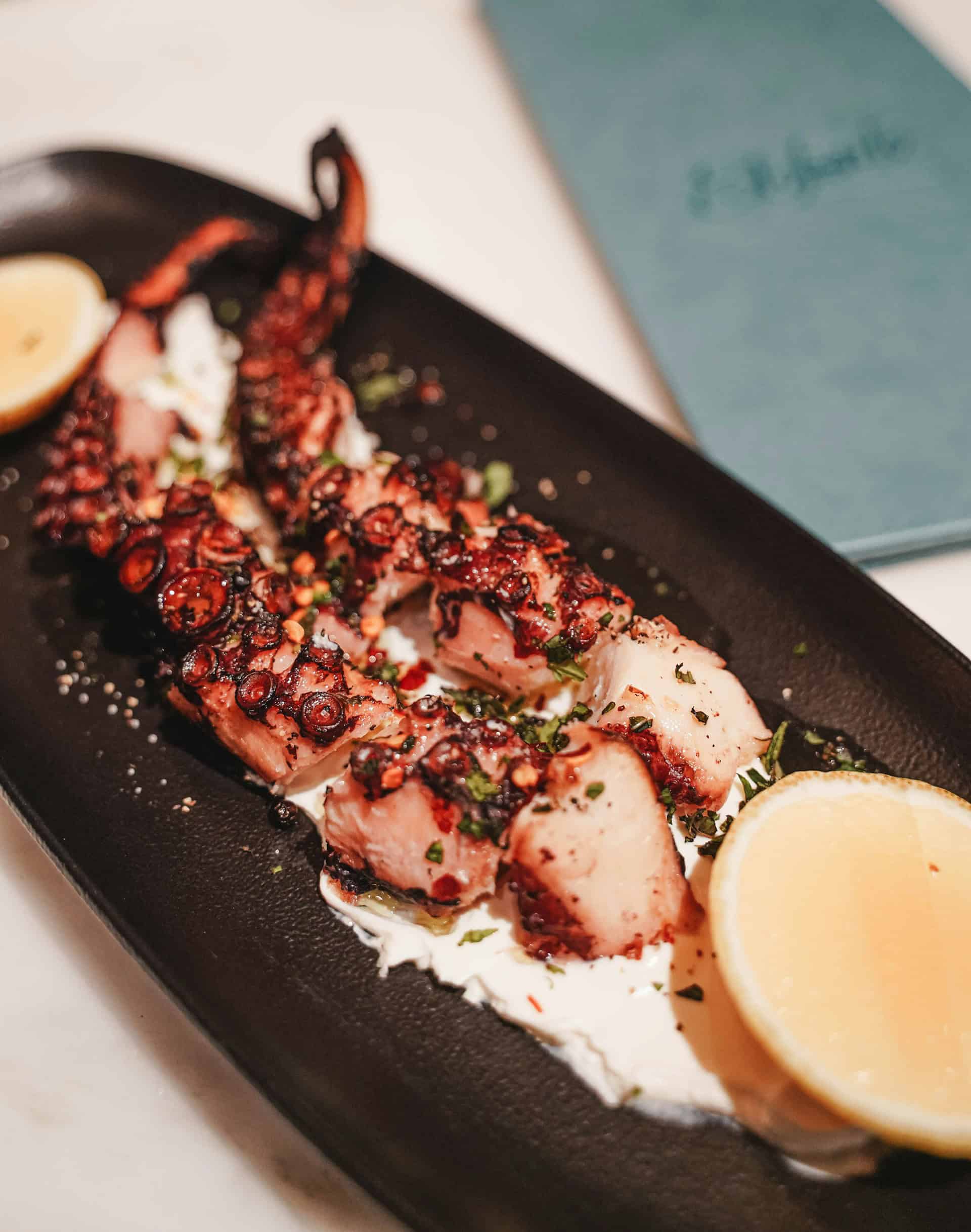
"Dissecting the philosophy behind the fusion of global cooking techniques and local ingredients that create the culinary identity of the future."
Photo by Zahir Namane on Unsplash
The culinary world is never truly static. History records that human migration, the spice trade, and cultural exchanges have always influenced what is served on the dining table. However, in this modern era, we recognize a more structured and artistic phenomenon: Fusion Cuisine. This is the point where geographical boundaries melt away, allowing a chef to use precise French techniques on exotic ingredients from Asia, or vice versa.
For urban society, fusion cuisine is no longer something foreign. It exists as a representation of a dynamic lifestyle open to renewal. However, behind its popularity lies a great challenge for culinary practitioners: how to ensure that the identity of each culture remains felt without dominating one another, thereby creating an honest harmony on the palate of the connoisseur.
"Fusion culinary is not simply about mixing random ingredients, but a smart dialogue between two traditions that results in a new and cohesive flavor narrative."
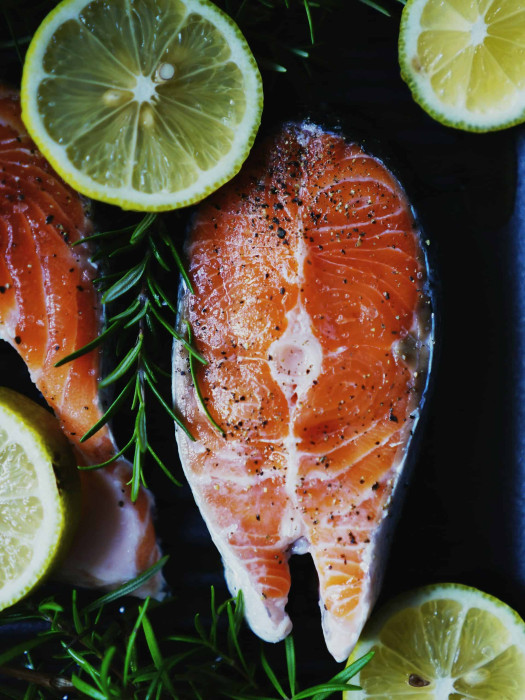
Photo by Jonas Allert on Unsplash
The Philosophy Behind Cultural Blending
The essence of successful fusion cooking lies in a deep understanding of flavor structure. Every culture has its own "backbone" of flavor—whether it is umami from Japan, warm spices from India, or the sweet-sour balance of Southeast Asia. A fusion chef acts not only as a cook but also as a cultural curator.
A common mistake in the fusion world is the attempt to force a pairing solely for visual uniqueness or a passing trend. In fact, authentic fusion cuisine must have a logical reason behind every element. For example, using miso in a classic French sauce is not just to provide a salty taste, but to add a depth of flavor dimension that cannot be achieved by ordinary salt. This is what is known as cultural alignment on the serving plate—an acknowledgment that despite coming from different places, these ingredients share the same frequency of taste.
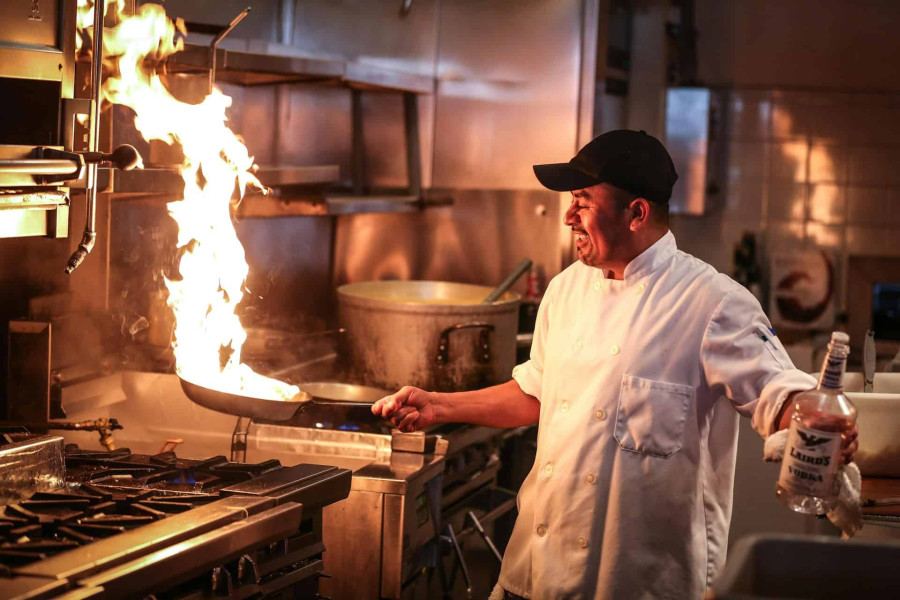
Photo by Johnathan Macedo on Unsplash
Modern Techniques as a Bridge for Innovation
Advances in kitchen technology and molecular gastronomy techniques have provided space for fusion cuisine to expand even further. Techniques such as sous-vide, deconstruction, and the use of liquid nitrogen allow the texture of an ingredient to be completely transformed without losing its flavor essence. This gives chefs the freedom to explore how a traditional dish can be presented in a completely new form.
For example, we might find a dish that visually looks like a modern European dessert, but when tasted, it carries strong memories of traditional Indonesian spices. Such experiments demand high precision. Balance in temperature, texture, and visual composition are keys to whether a fusion dish will be regarded as a work of art or merely a failed experiment. This is where the difference lies between high-class gourmet bites and ordinary mixed dishes.
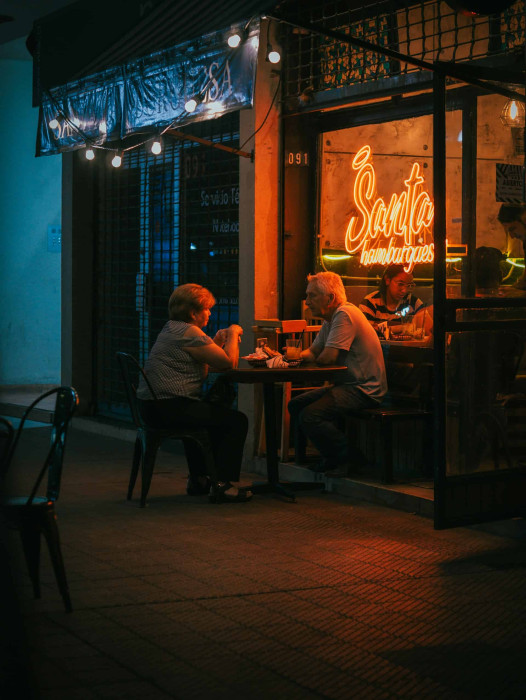
Photo by Gustavo Alejandro Espinosa Reyes on Unsplash
Market Dynamics and Urban Consumer Preferences
Today's big-city society is a highly educated audience regarding culinary matters. They are not just looking for satiety, but for an experience. The culture of concept dining strongly supports the growth of fusion restaurants because it offers a different narrative in every menu. Consumers love surprises; they want to feel a sense of familiarity but with an unexpected twist.
This phenomenon is also driven by social media, where presentation aesthetics or Instagrammable places become the initial attraction. However, visual popularity will only last a short while if it is not supported by strong substance in flavor. Fusion dishes that manage to endure are those that successfully build loyalty through consistency of taste and the courage to keep innovating without losing their traditional roots.
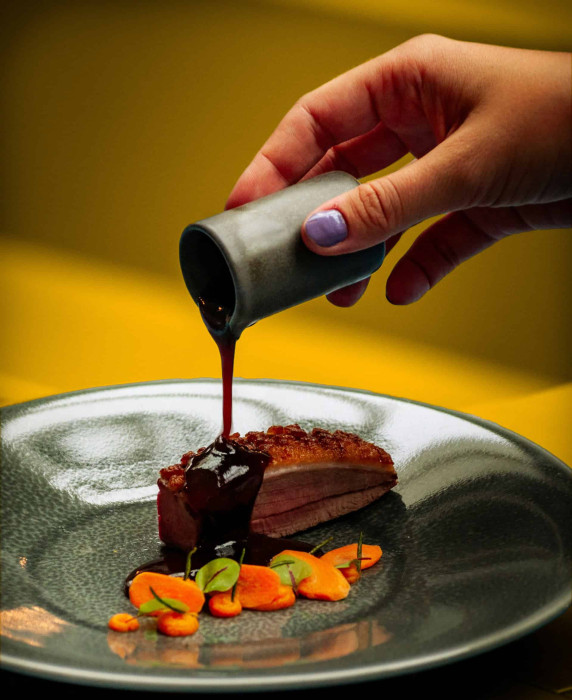
Photo by Bern Fresen on Unsplash
The Future of Gastronomy: Toward Limitless Culinary
Looking at the developing trends, fusion cuisine is predicted to continue being the main locomotive in the global F&B industry. In the future, perhaps we will no longer strictly label food based on its country of origin, but based on its technique and flavor philosophy. The local sourcing movement combined with global techniques also further strengthens fusion's position as a sustainable culinary solution.
By supporting the use of local ingredients processed with international standards, fusion cuisine also plays a role in empowering local economies. This is a healthy cycle: global culture provides technical inspiration, while local richness provides unique raw materials. The result is a celebration of human diversity that can be enjoyed in every bite.
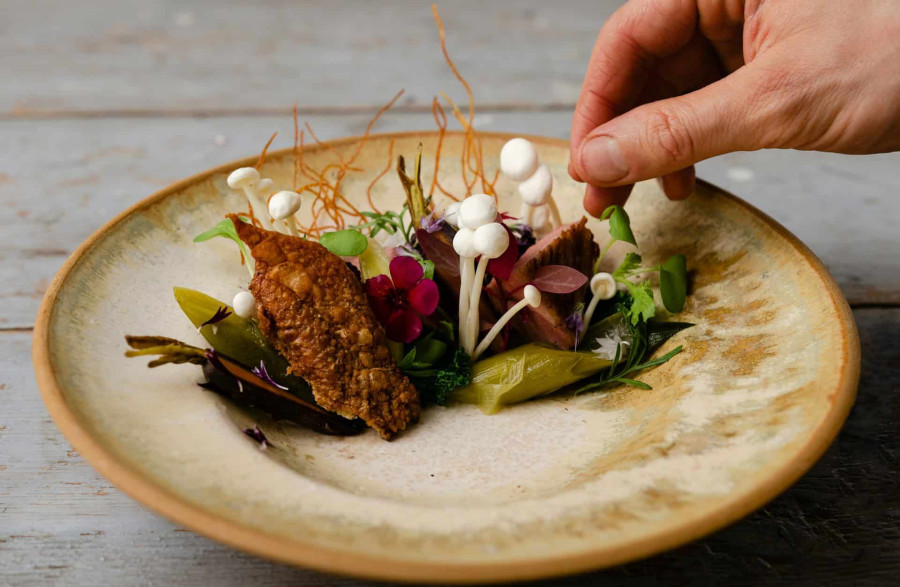
Photo by Aarón Blanco Tejedor on Unsplash
Celebrating Diversity in Harmony
In the end, fusion cuisine is proof that differences do not always have to be dividers. In the culinary world, differences are actually assets to create something more beautiful and rich. Maintaining harmony between two cultures on one plate requires the humility to learn, the courage to try, and the meticulousness to execute.
"The success of a fusion dish is not measured by how exotic the ingredients are, but by how familiarly that flavor is able to greet the collective memory of its connoisseurs."
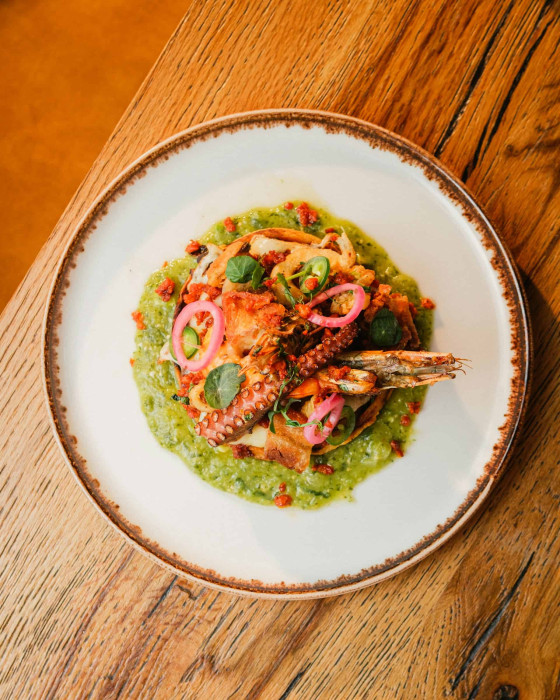
Photo by ALLAN LAINEZ on Unsplash
WRAP-UP!
Fusion cuisine is the most honest form of culinary evolution in the modern era, where the chef's creativity becomes a bridge for the meeting of world cultures in an innovative harmony of flavors.
During your next visit to a fusion restaurant, try to recognize the elements from different cultures on your plate. Feel how they interact with each other, and find the story the chef wants to convey through that blend.
Have a memorable experience tasting fusion food? Share this article to your social media and tell us about your favorite fusion dish!