
Photo by Monaz Nazary on Unsplash
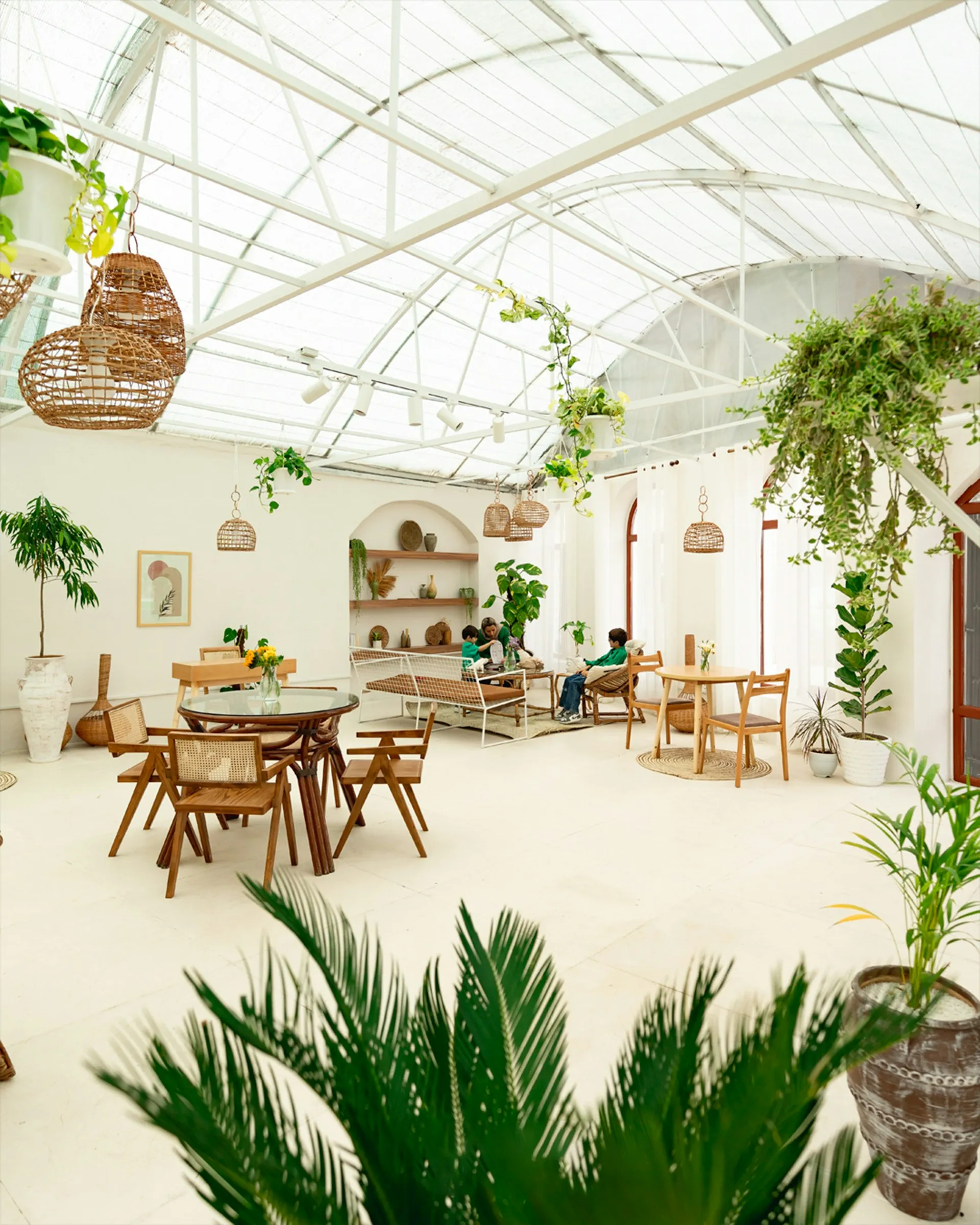
In recent decades, the world of interior design and architecture has too often been trapped in visual dominance—how a room looks in a photo or on a screen. However, as we move into 2026, a new awareness called Haptic Design has emerged. The primary focus of this trend is to return the function of architecture as a real physical experience through the tactile sense. Haptic design believes that true comfort in a home does not arise from slick, cold visual perfection, but from the diversity of textures we touch every day. From the natural roughness of a stone wall and the warmth of wood grain on a staircase railing to the softness of natural fiber weaving on the floor, all these elements provide emotional information that makes humans feel more "grounded" in their own homes.
"A space is not only enjoyed through what the eye sees, but through what the skin feels as we touch its material reality."
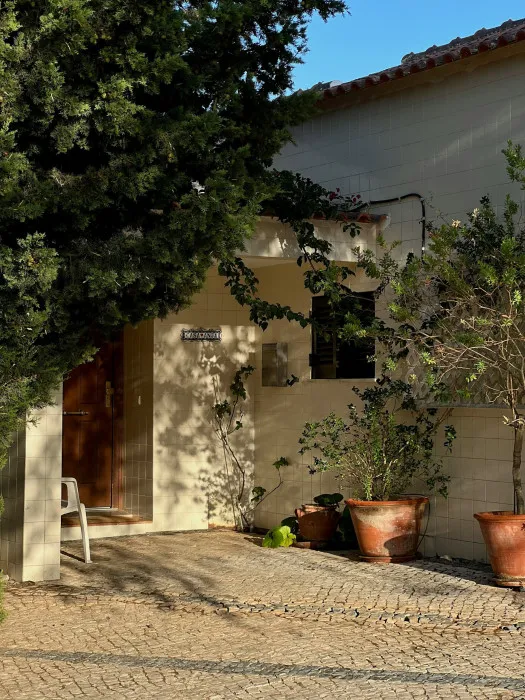
Photo by DariaValerievna on Unsplash
Technically, the application of haptic design involves choosing materials with strong and honest physical characters. Designers are now moving away from synthetic materials that mimic nature (such as wood-patterned ceramics) and returning to authentic materials. Genuine materials possess what is known as "patina"—the ability to age beautifully and show traces of time. Solid wood with felt grains, natural stone with pores, and hand-applied cement plaster provide microscopic variations that stimulate the nerves at our fingertips. The imperfections in natural materials actually give deep character to a room, creating an intimate atmosphere far from a boring manufactured feel. Touching natural surfaces has been psychologically proven to lower anxiety levels and provide a greater sense of security compared to cold plastic or glass surfaces.
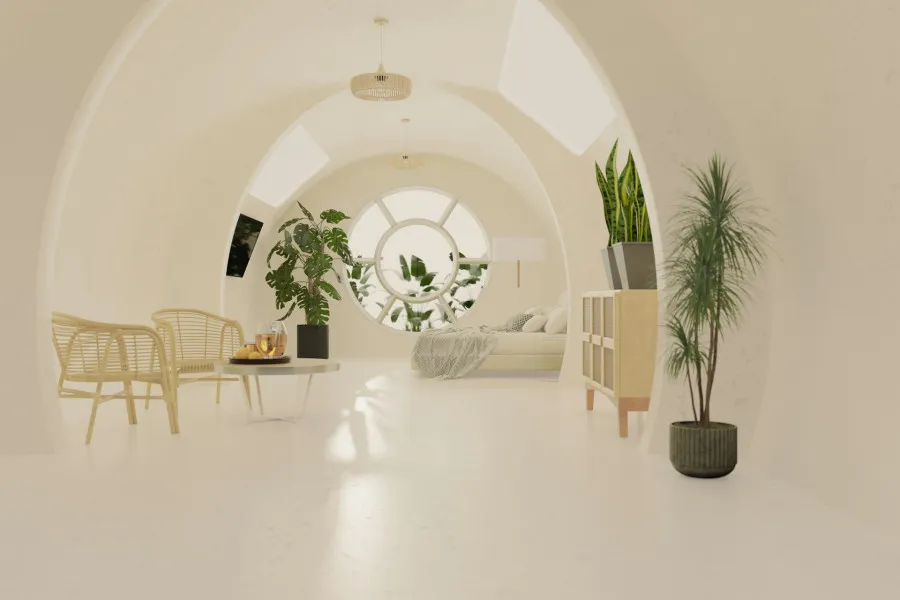
Photo by Pawel Czerwinski on Unsplash
This tactile exploration also includes the temperature and weight of materials. In haptic design, flooring choice is based not only on color but on how it feels when stepped on with bare feet in the morning. Using terracotta, which stays cool but not as cold as marble, or using wool fiber carpets that provide soft pressure, is part of a strategy to create layered sensory comfort. Haptic architecture also considers human physical interaction with small details, such as the weight of a wooden door when pushed or the texture of a brass light switch. These small details build a physical narrative that makes residents feel truly engaged with their building's structure, rather than just existing inside a hollow, soulless box.
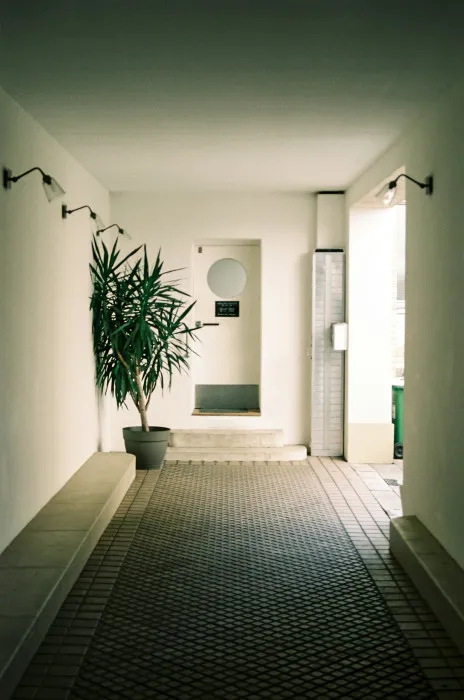
Photo by Barthelemy de Mazenod on Unsplash
The long-term impact of a home that prioritizes haptic elements is the creation of a stronger emotional connection between humans and their living spaces. In a world increasingly filled with flat and slick digital screen surfaces, our need for real texture becomes crucial for maintaining sensory balance. A home with good haptic design acts as a sanctuary that pampers the senses, providing physical stimulation that soothes nerves exhausted by cognitive workload. We relearn to appreciate material quality, human craftsmanship in processing materials, and the beauty that arises from direct touch. A haptic home is a home with a soul, a space that greets us through every texture we feel, reminding us of the beautiful physical reality amidst an increasingly abstract world.

Photo by Lena Laurentez on Unsplash
"Materiality is a wordless language; it speaks directly to our sense of comfort through the honesty of texture and the warmth of touch."
Wrap-Up!
Haptic design restores the dignity of the sense of touch in determining the quality of life within a home. Try replacing one synthetic element in your home with a natural material that has a strong texture, such as a rattan chair or a wooden table without excessive finishing, and feel how its presence physically changes the room's energy. Find human-centric home design inspiration and other materiality curations at alinear.id.

![Smart Publication+ 3.0: Build Authority. Drive Growth. [Technical Specification]](https://www.alinear.id/assets_web/images/qr-codes/bd48cb0acb2d9586570edb8a7303cee1.jpg)