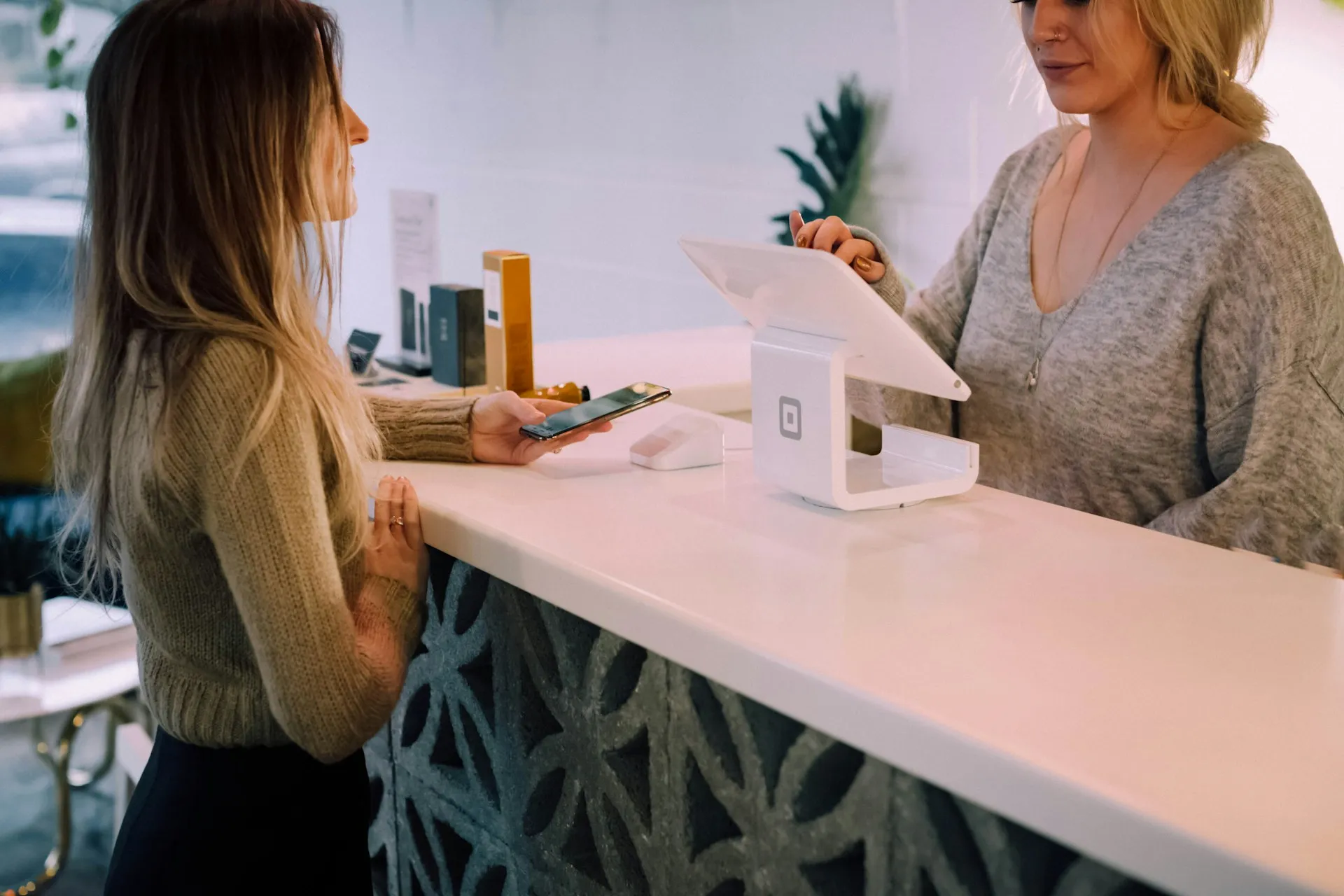

Photo by Morgan Alley on Unsplash
The Collapse of Unrealistic Beauty Standards
For decades, the beauty and fashion industries sold a narrow, often unattainable standard—both in body size (frequently catering only to sizes S-M) and skin tone (with limited foundation ranges). In an era defined by authenticity and social awareness, consumers—especially in diverse markets like Indonesia—are rejecting these rigid archetypes.
Inclusivity has become the heartbeat of brand success. It is an urgent consumer demand for brands to acknowledge and serve the reality of the population—from extensive foundation shade ranges to size-inclusive clothing lines that honor all silhouettes. Brands that fail to prioritize inclusivity are not just labeled as out of touch; they are losing access to massive, loyal market segments.
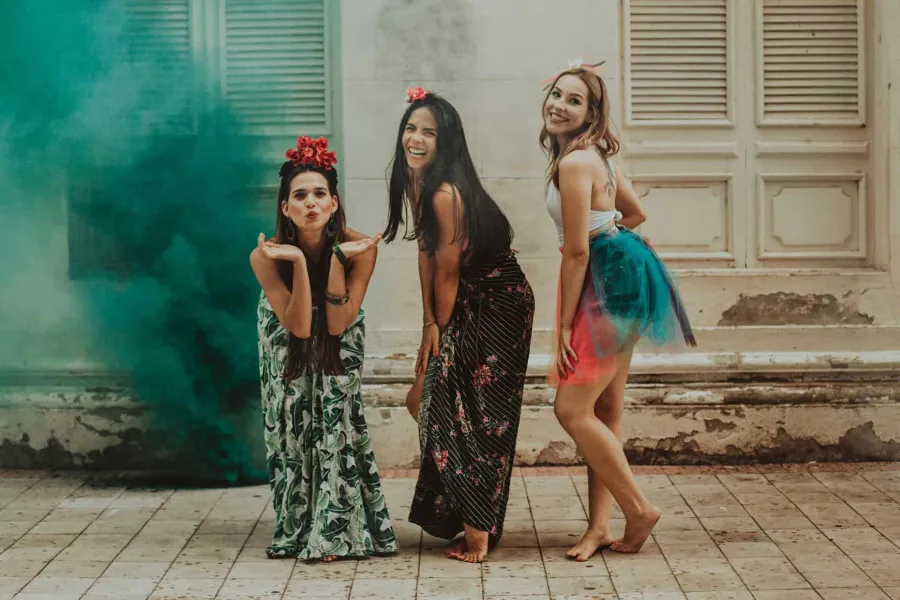
Photo by Jonathan Borba on Unsplash
Shade Inclusivity in Beauty – Skin tone representation is ground zero for inclusivity in the beauty sector.
1. Catering to the Indonesian Spectrum
Indonesia possesses an incredibly vast spectrum of skin tones. Successful brands must offer a minimum of 30–40 shades for foundations or concealers, covering various undertones: cool, warm, and neutral. Failing to account for these undertones often results in products appearing "ashy" or unnatural on deeper complexions.
2. Universal Color Performance
Inclusivity extends to color cosmetics like lipsticks, blushes, and eyeshadows. Brands must demonstrate that their palettes perform beautifully across all skin tones, ensuring pigmentation and finish are consistent regardless of the model’s complexion.
Size Inclusivity in Fashion – Fashion must celebrate the body in all its forms, moving beyond the traditional thin-centric narrative.
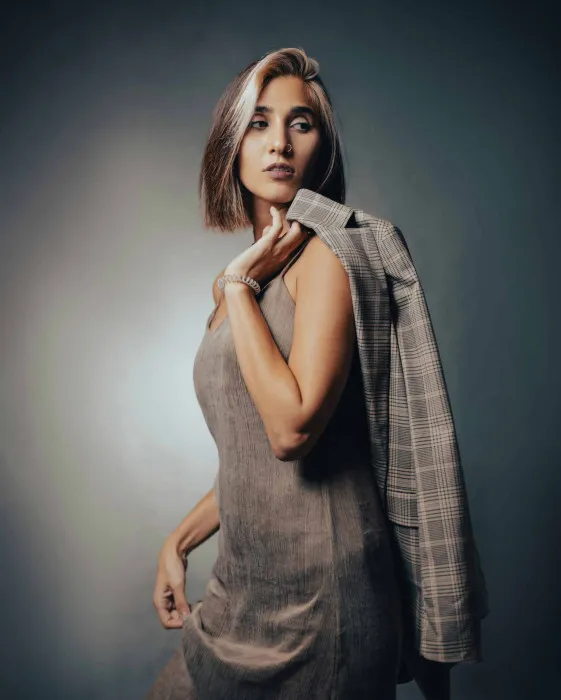
Photo by Farshad Sheikhzadeh on Unsplash
•• True Size Ranges: Authentic size inclusivity means offering an expanded range, from petite (XXS) to plus-size (XXL and beyond). Designers must develop patterns specifically for diverse body types from the ground up, rather than simply scaling up a "small" base pattern, which often compromises fit.
•• Representation in Marketing: Inclusivity cannot stop at the product; it must be reflected in the brand's visual language. Campaigns should feature models of various body shapes, ages, and ethnicities. Honest, authentic representation is the key to building trust and showing genuine commitment.
•• Focus on Fit and Comfort: Historically, plus-size clothing has often been designed without considering ergonomics or comfort. Innovative brands are now investing in research to ensure that garments are not just large enough to fit, but are comfortable, flattering, and fashion-forward for every silhouette.

Photo by Daria Magazzu on Unsplash
Ethics and Authenticity – Inclusivity must be sincere, not merely a superficial marketing tactic (tokenism).
1. Community Involvement
Successful brands collaborate with individuals from diverse backgrounds at every stage of the process—from product testing to marketing feedback.
2. Inclusivity as the Bottom Line
When brands serve a broader audience, their market potential and customer loyalty increase exponentially. Sincere inclusivity is now one of the strongest indicators of long-term business health.
WRAP-UP! – An Era of Beauty and Fashion That Celebrates You
Inclusivity in shade and size is not just about social justice; it is about recognizing market reality. Modern consumers will not invest their capital in brands that make them feel invisible or underserved.

The brands leading the way in the future are those that use design and marketing to celebrate every individual, ensuring that everyone can find their perfect shade and their right fit—a signal that fashion and beauty finally belong to everyone.
Which specific beauty or fashion product do you wish had a more inclusive range of sizes or shades in Indonesia?
"Beauty and fashion should be about making every individual feel seen and served. Inclusivity is no longer an ethical choice—it is a business imperative that separates legacy brands from those oriented toward the future."
![Alinear Indonesia [Brand/Business Registration] Smart Publication & Smart Activation](https://www.alinear.id/assets_web/images/qr-codes/3e23e7dab43d2e72854ba48a3a09cf75.jpg)