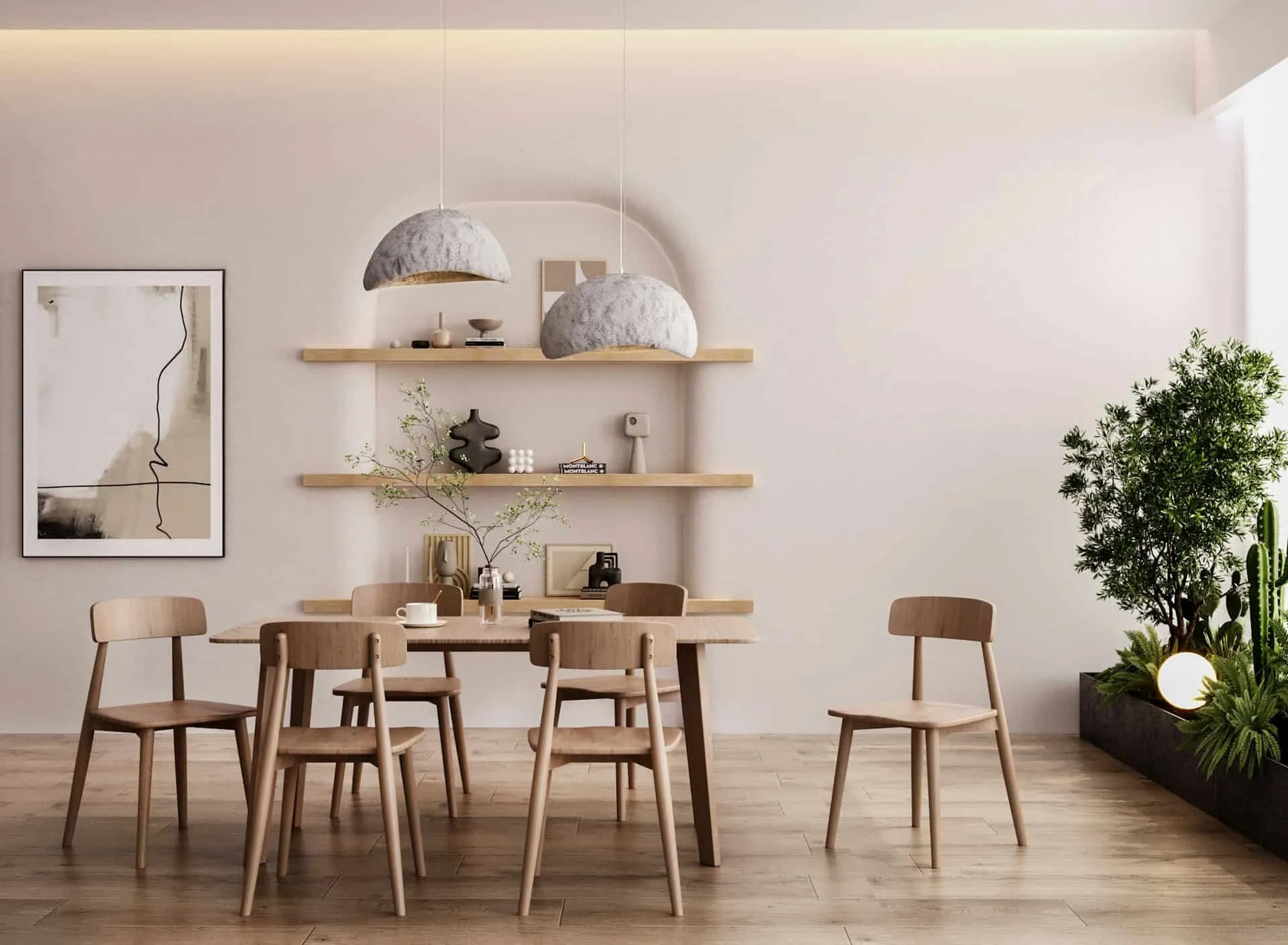

From Trend to Living Philosophy
For several years, the Japandi style—a harmonious blend of Scandinavian Hygge (comfort and functionality) and Japanese Minimalism (tranquility and order)—has dominated modern interiors. However, in 2026, this aesthetic is undergoing a deeper evolution, shifting from a mere style to a living philosophy, particularly with the infusion of Wabi-Sabi principles.
Wabi-Sabi is a Japanese concept that celebrates beauty that is imperfect, impermanent, and incomplete. In design, this means valuing aged wood, uneven ceramic surfaces, raw natural textures, and furniture with visible flaws or history.
For marketers in the Decor & Living sector, this is welcome news. Wabi-Sabi allows us to focus on local Indonesian craftsmanship and materials—rich in texture and uniqueness—rather than importing uniform, mass-produced products.
Embracing Imperfection (The Wabi-Sabi Core) – Wabi-Sabi serves as the antidote to our digital obsession with "filtered" perfection.
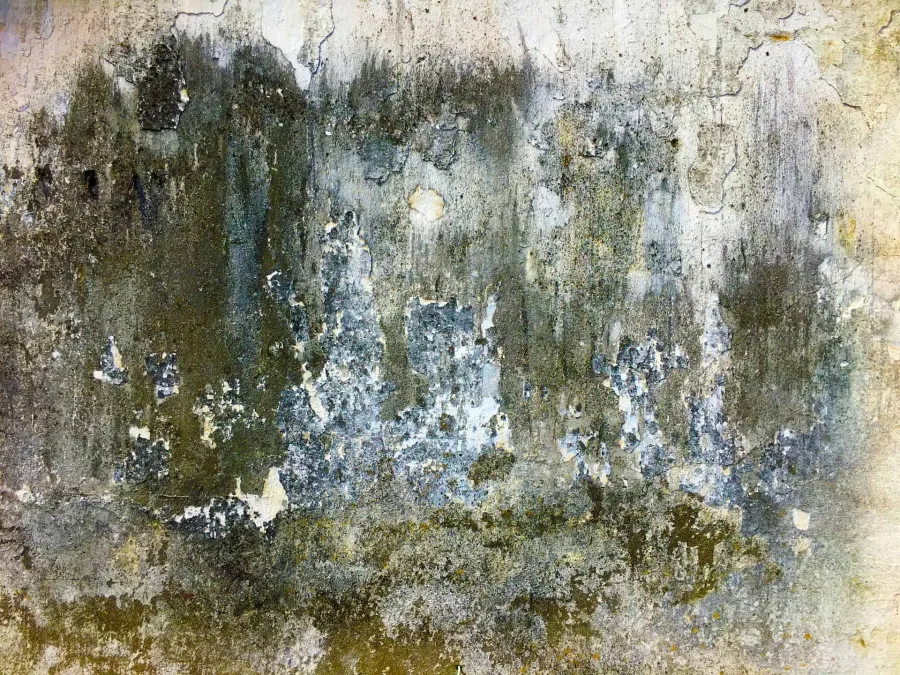
Photo by Peter Muscutt on Unsplash
1. Beauty in Aging (Patina)
Wabi-Sabi loves patina—the change in color, texture, or appearance of a material due to age and use. A scratched teak dining table, slightly faded terrazzo flooring, or a leather sofa that has softened over years of use—these are beauties to be celebrated. This encourages consumers to invest in long-lasting quality rather than fleeting trends.
2. Craftsmanship and the Human Touch
This philosophy rejects uniform machine-made products. Instead, it seeks the mark of the human hand—hand-built ceramics that are slightly asymmetrical or textiles with unique "slubs" (raw threads). This elevates the value of Indonesian artisans and local design.
Applying Wabi-Sabi with Local Materials – In the Indonesian context, Wabi-Sabi is effortlessly applied through the materials we already possess.
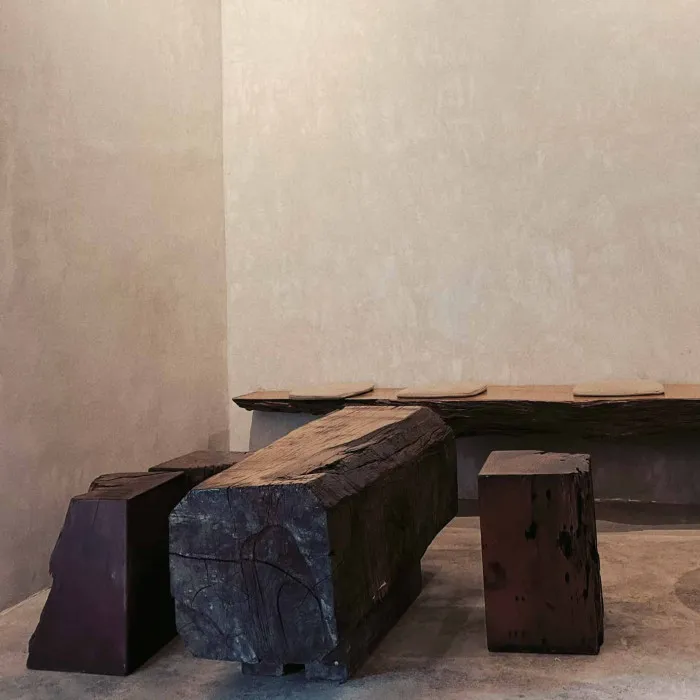
Photo by AllysherLow on Unsplash
•• Rattan and Local Weaves: Instead of finely painted rattan, use raw rattan or bamboo weaves with natural colors and minimal coating. These rough textures provide visual depth and warmth.
•• Reclaimed Wood and Old Teak: Opt for wood with a minimalist finish that reveals the grain, or even natural nail holes and cracks. This is storytelling through material, showcasing history and sustainability.
•• Ceramics and Earthy Materials: Use handmade ceramics in earth tones (terracotta or beige) for vases or dinnerware. The imperfection of the glaze and form is the very essence of Wabi-Sabi.
Creating a Japandi-Wabi-Sabi Space – How do you merge these philosophies within a room's design?
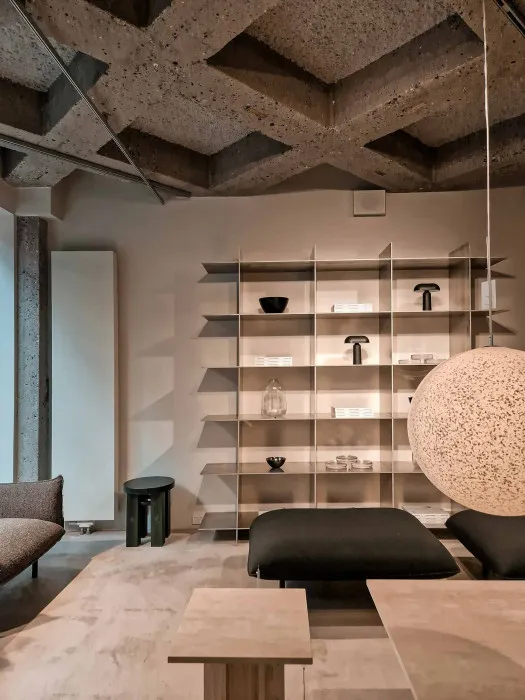
Photo by Oceane Picq on Unsplash
•• Choose a Calm Palette: Use soothing palettes (like the Sage Green and Rich Cream discussed in our previous article) for walls and base furniture.
•• Warm Minimalism: Keep the space free of unnecessary items, but ensure that every remaining piece has a strong function and character. Choose furniture with clean, simple lines characteristic of Japandi.
•• Light and Shadow: Allow natural light to create dramatic, dynamic shadows. Light is an integral part of Wabi-Sabi, highlighting the honest textures of humble materials.
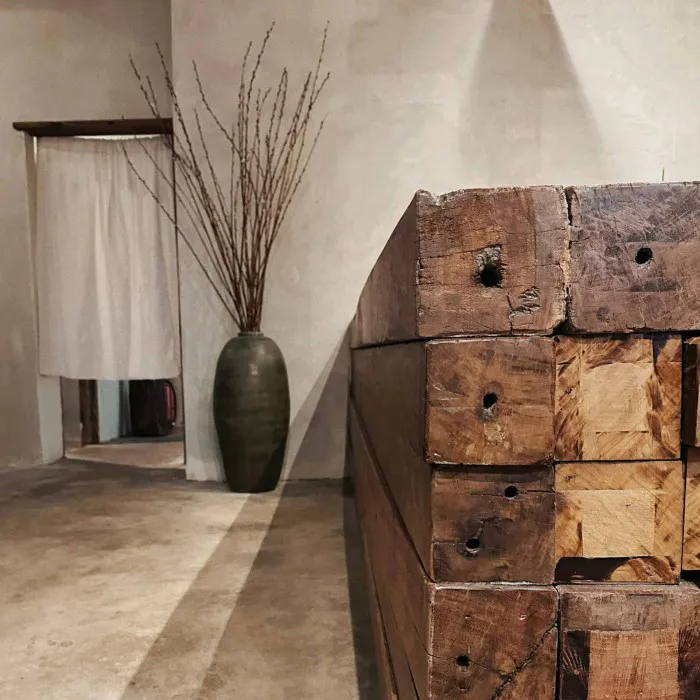
Photo by AllysherLow on Unsplash
WRAP-UP! – Conclusion in Meaning
The evolution of Japandi toward Wabi-Sabi in 2026 is a reminder that the best design possesses substance and meaning.
It encourages us to stop chasing expensive, unrealistic perfection and start investing in quality, local craftsmanship, and materials that will grow more beautiful as they age alongside our life stories.
"If Minimalism demands perfection and uniformity, Wabi-Sabi celebrates history and character. A room doesn't need to look brand new; it should feel lived-in, honest, and filled with stories."
Which piece of furniture in your home has the best "patina" (sign of aging)?



![Alinear Indonesia [Brand/Business Registration] Smart Publication & Smart Activation](https://www.alinear.id/assets_web/images/qr-codes/3e23e7dab43d2e72854ba48a3a09cf75.jpg)