



Photo by Nathan Dumlao on Unsplash
Operational studies of small-scale hospitality ventures and newly launched cafes show that first-month traction depends far more on execution accuracy than on offering dozens of variations. When back-of-house space is compact and a new team is still syncing its pace, an oversized menu splits preparation focus and raises the risk of perishable stock spoiling unused. Choosing a short menu anchored by a few signature offerings builds an orderly, measurable workflow from day one.
Limiting the menu list to a few core items in the early phase helps a new business maintain flavor consistency while curbing raw ingredient waste. Customer decisions also become faster when choices are not overly cluttered, keeping order flow at the counter and kitchen running much smoother.
"Limiting the menu list to a few core items protects flavor consistency while curbing raw ingredient waste."
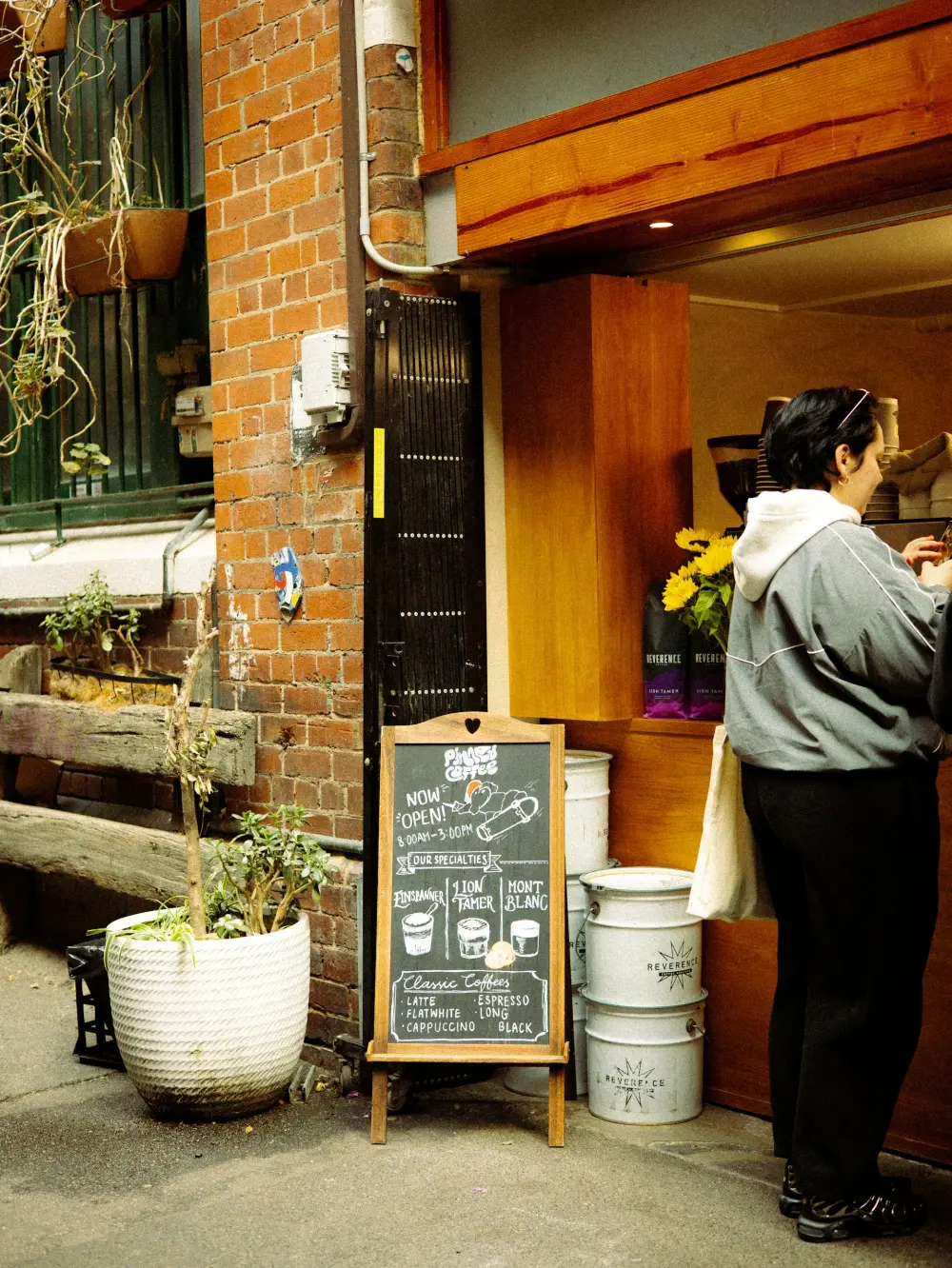
Photo by ANGIE BAONGOC on Unsplash
How Does a Short Menu Protect Flavor Consistency and Curb Ingredient Waste?
The most direct advantage of a concise menu lies in focused repetition. When baristas and kitchen staff prepare the same core items repeatedly each day, recipe dosing, serving temperatures, and prep timing stabilize quickly from the first morning order to closing.
This modern-essential approach to lean operations also simplifies daily inventory control. Fresh inputs—such as milk, house-made syrups, baked goods, and garnishes—turn over briskly in predictable volumes, minimizing spoilage and keeping startup cash flow resilient.
Why Do Uncluttered Choices Speed Up Order Flow at the Counter and Kitchen?
Limiting the menu list to a few core items in the early phase helps a new business maintain flavor consistency while curbing raw ingredient waste. Customer decisions also become faster when choices are not overly cluttered, keeping order flow at the counter and kitchen running much smoother.
At the ordering counter, an overly long list often causes guests to hesitate, creating bottlenecks during peak hours. By contrast, a short menu board with clear descriptions helps customers spot the drink or pastry that suits their taste right away. Once an order goes through, kitchen tickets stay straightforward, preparation moves sequentially without collisions, and guest wait times feel noticeably shorter.

Photo by Aleksey Cherenkevich on Unsplash
"Uncluttered choices speed up customer decisions at the counter during peak hours."
In kitchen governance and purchasing, this model centers on selecting six to ten core items built around overlapping base ingredients, easily monitored portion standards, and tight daily stock rotation.
From a customer-experience standpoint, a short menu signals deliberate curation, speeds up counter checkout, and protects serving quality even during busy rushes.
"A streamlined kitchen workflow builds a solid operational foundation in a cafe's opening phase."
Photo by Testeur de CBD on Unsplash
How to Build and Evolve a Short Menu Gradually?
Start by selecting a tight set of signature drinks and food pairings that best express your cafe's character while sharing complementary base ingredients. Train the team to master each item's workflow until prep speed and flavor profiles hold steady without checking recipe cards.
Once daily operations run smoothly across the first few months, use point-of-sale data to introduce seasonal additions selectively—rotating out underperforming items rather than endlessly stacking new lines onto the board.
Choosing a short menu at launch affirms that small-cafe strength comes from sharp focus—maintaining flavor consistency, curbing raw ingredient waste, and keeping counter and kitchen flow smooth from the very first step.

Photo by Maks Styazhkin on Unsplash
WRAP-UP!
The startup operations guide Why Small Cafes Choose a Short Menu at Launch reinforces the Business - Business & Startup pillar, proving that limiting the menu list to a few core items in the early phase helps a new business maintain flavor consistency while curbing raw ingredient waste, as customer decisions become faster without overly cluttered choices and order flow at the counter and kitchen runs smoother.
Explore more small-scale F&B operational strategies, inventory and kitchen workflow guides for new cafes, and startup growth insights with Alinear Indonesia.
Ready to Elevate Your Business and Brand to the Forefront of the Digital Era?
Discover how Alinear Indonesia’s integrated Advertorial+ (Smart Publication & Smart Activation) solutions combine media PR with AI-driven intelligence and the power of storytelling to multiply your business visibility and credibility (Brand Authority). Consult your vision and growth strategy with us today. [Click Here to Begin!]