

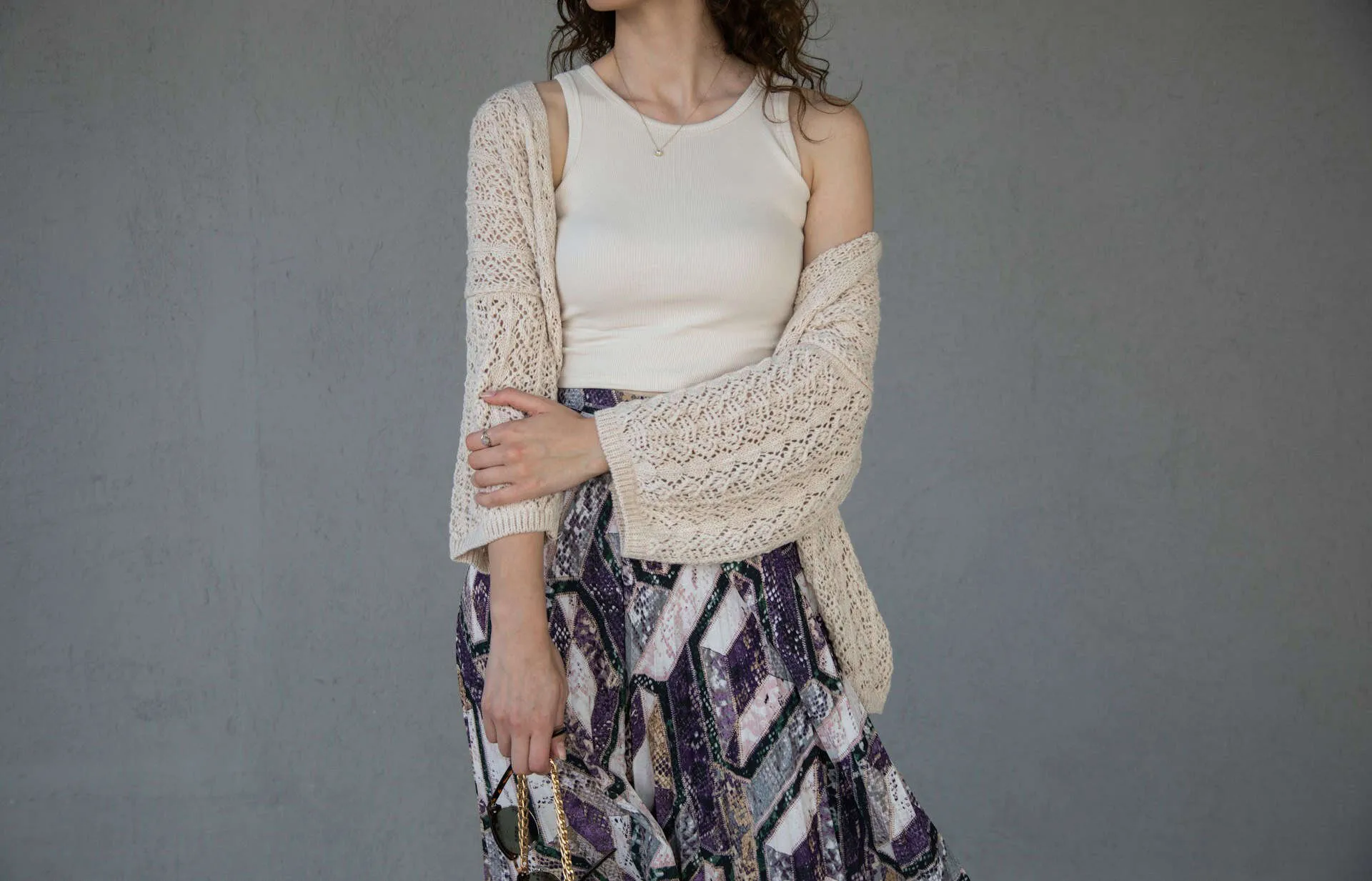

Photo by engin akyurt on Unsplash
The fashion world is currently witnessing a grand homecoming—a progressive yet regressive movement—toward the use of pure, natural fibers. After decades of dominance by stiff synthetic polymers and plastic-based materials, fashion enthusiasts are beginning to crave the honest interaction between the skin and fabrics that can truly "breathe." This phenomenon is not merely a seasonal trend; it is a collective response to the exhaustion of the fast fashion industry, which often sacrifices biological comfort for momentary visual aesthetics.
The use of fibers such as hemp, wild silk, linen, and organic cotton now occupies the highest tier in the hierarchy of modern garment materials. Choosing natural fibers is no longer just about following a minimalist "earth tone" aesthetic; it is about respecting natural cycles and bodily health. Fabrics derived from roots, stems, and animal fibers possess unique characteristics that cannot be replicated in any laboratory: they have a "soul" found in their imperfect textures, yet they provide thermal comfort with remarkable precision.

Photo by Yassin Dawoud on Unsplash
The Anatomy of Comfort: Why the Body Craves Natural Fibers
In terms of technical characteristics, natural fibers possess an inherent ability known as thermoregulation. Linen, for instance, derived from the flax plant, has a hollow fiber structure that allows for maximum air circulation. In humid tropical climates like Indonesia, linen acts as a natural coolant, instantly releasing body heat to the outside air. Conversely, in colder temperatures, natural fibers like organic merino wool can trap warm air within their fine fibers, providing warmth without the suffocating or itchy sensation often associated with acrylic fibers.
Another extraordinary feature of natural fiber garments is how they "age gracefully." While synthetic materials like polyester tend to thin, pill, and lose their shape after a few washes, organic fabrics actually become softer over time. With every wash, the fiber bonds in linen or organic cotton relax further, creating a silhouette that becomes increasingly personal, draping naturally according to the wearer's body contours. This creates an intimate, long-term relationship between the individual and their clothing—a garment that grows and adapts alongside its wearer.

"Natural fibers do not merely cover the body; they engage in a dialogue with your skin through honest breathability."
Defying Plastic Standardization
In modern garment construction, designers are beginning to highlight the "imperfections" of natural fibers as a primary aesthetic element. The natural wrinkles of linen or the subtle flecks in unbleached organic cotton are now viewed as symbols of honest luxury. We are moving away from an era where clothing must always look slick, rigid, and uniform. The presence of these living textures provides a deeper visual dimension. Hemp fibers, for example, offer a sturdy and masculine structure while remaining remarkably lightweight, while wild silk provides a muted, elegant luster that is starkly different from the sharp, artificial shine of synthetic satin.
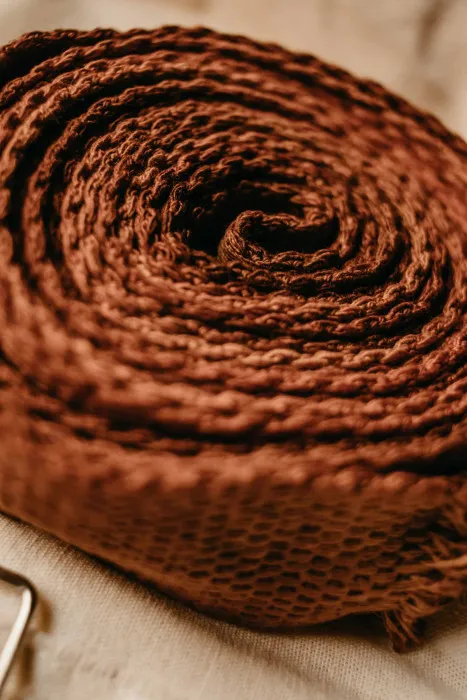
Photo by Kawê Rodrigues on Unsplash
A Manifestation of Earth Connection
Choosing garments made from natural fibers is also a form of profound appreciation for the human connection to the Earth's ecosystem. The processing of organic fibers often involves traditional techniques or green technological innovations that minimize the use of pesticides and harmful chemicals. This has a direct impact on two fronts: the wearer's skin health and the preservation of the soil. The skin is the human body's largest porous organ; it absorbs whatever it is pressed against. Clothing dyed with natural pigments and made from pesticide-free fibers reduces the risk of contact dermatitis and chronic allergies.
Ecologically, natural fiber garments are biodegradable. When their lifespan ends, they return to the earth in a matter of months, unlike synthetic fibers that take hundreds of years and leave behind a trail of microplastics that damage the food chain. For selective urban consumers, checking fabric composition labels has become a ritual as important as choosing the cut or style of a garment. This is a form of "textile literacy," where we no longer just buy brands, but buy materials.

Photo by Lucrezia Carnelos on Unsplash
The Philosophy of the New Luxury
In the coming years, luxury will no longer be measured by the price of the logo displayed, but by the quality of the "breath" of the fabric we wear. Luxury is the ability to feel fresh after a full day of activity under the scorching sun. Luxury is the sincere comfort of organic fabric touching the skin without causing irritation. Returning to natural fibers is a political and philosophical statement: that we choose not to be just a number in a mass-production machine, but individuals who value quality, health, and ecological balance. It is a journey back to the roots, for a higher quality of daily life and a more humane future for fashion.

Photo by Vladimir Fedotov on Unsplash
"Modern luxury is no longer about synthetic shine, but about organic textures that respect the planet's sustainability."
WRAP-UP!
Natural fibers are the foundation of a fashion evolution that prioritizes material integrity and wearer health. By switching to organic fabrics, we not only improve our personal quality of life but also participate in the restoration of the global ecosystem. Start building a "Capsule Wardrobe" based on high-quality materials. Invest your budget in one high-quality linen shirt rather than five synthetic t-shirts. Pay attention to care labels; natural fibers require gentler care—such as washing with cold water and avoiding machine dryers—to maintain fiber longevity.
Looking to feature your brand and business through Alinear Indonesia’s Smart Publication & Smart Activation? Share your experience and consult with us today. Click here!
![Alinear Indonesia [Brand/Business Registration] Smart Publication & Smart Activation](https://www.alinear.id/assets_web/images/qr-codes/3e23e7dab43d2e72854ba48a3a09cf75.jpg)