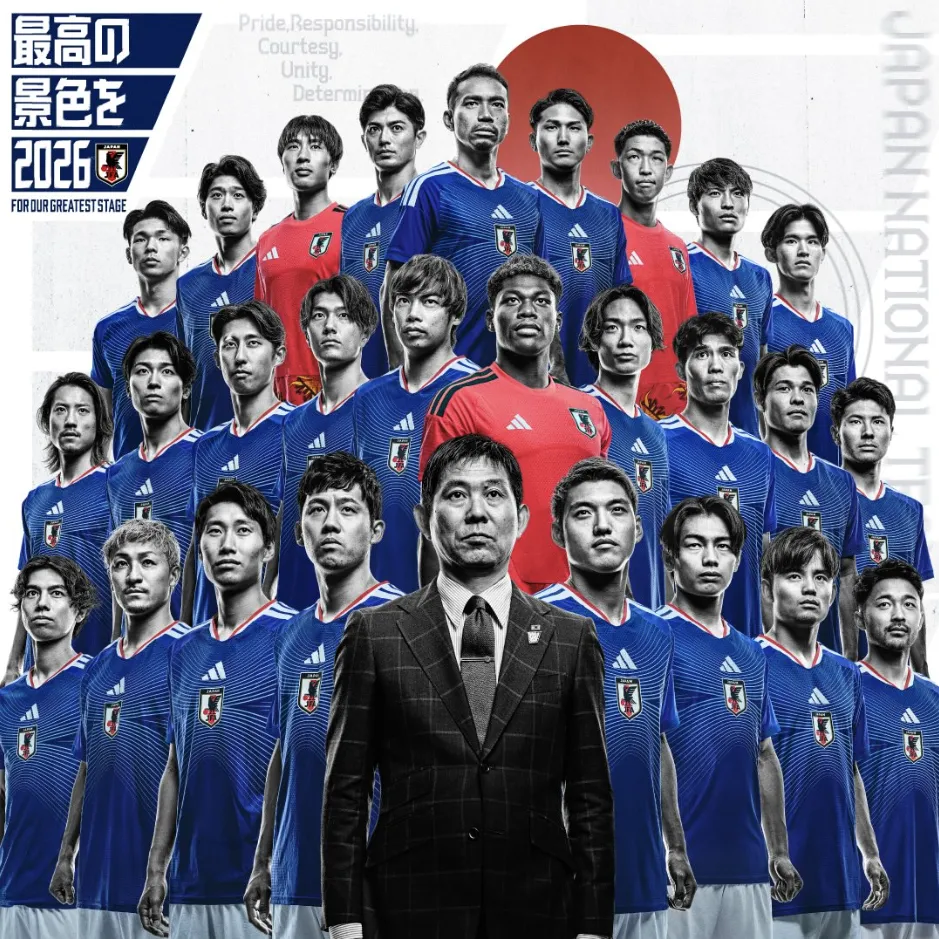

Photo source by Japan Football Association / JFA (Instagram)
Global football history will find its newest monument at Monterrey Stadium, Mexico, as Tunisia locks horns with Japan in a pivotal Group F encounter of the 2026 World Cup. FIFA officially recognizes this specific clash as the 1,000th match played since the tournament's historic genesis in 1930. Yet, far beyond the weight of this grand romantic milestone, the reality descending upon the pitch is a brutal, zero-sum survival battle for both nations fighting to protect their ambitions for the Round of 32.
For the metropolitan subculture of analytical football enthusiasts, this match offers a high-stakes psychological spectacle. Japan enters the arena determined to convert their highly acclaimed opening performance into three definitive points, while Tunisia carries an urgent redemption mandate, looking to reconstruct their fractured tactical framework after a damaging opening defeat.

Photo by Braden Hopkins on Unsplash
Japan: Recalibrating toward Dominant, Proactive Football
During their opening performance in Dallas, Japan exhibited magnificent tactical discipline to secure a 2-2 draw against European powerhouse Netherlands. Manager Hajime Moriyasu deployed a highly sophisticated, compressed mid-block, willingly conceding sterile possession to the Dutch while completely severing the passing lanes into the box. This defensive framework allowed their explosive transitions—steered by the wizardry of Takefusa Kubo and aggressive vertical runs from the wings—to ruthlessly punish the opposition via lightning-fast counter-attacks. However, late-game lapses in concentration and defending dead-ball situations (set-pieces) remain prominent developmental notes for the defensive line anchored by Ko Itakura.
Video source by TVRI Nasional (YouTube)
Facing Tunisia, the Samurai Blue are projected to fundamentally shift their tactical identity. Rather than operating from a deep, reactive posture, Japan is prepared to claim absolute operational control (proactive football). This blueprint demands that their technical half-space operators spark creative combinations early to dismantle a low, packed defensive structure.
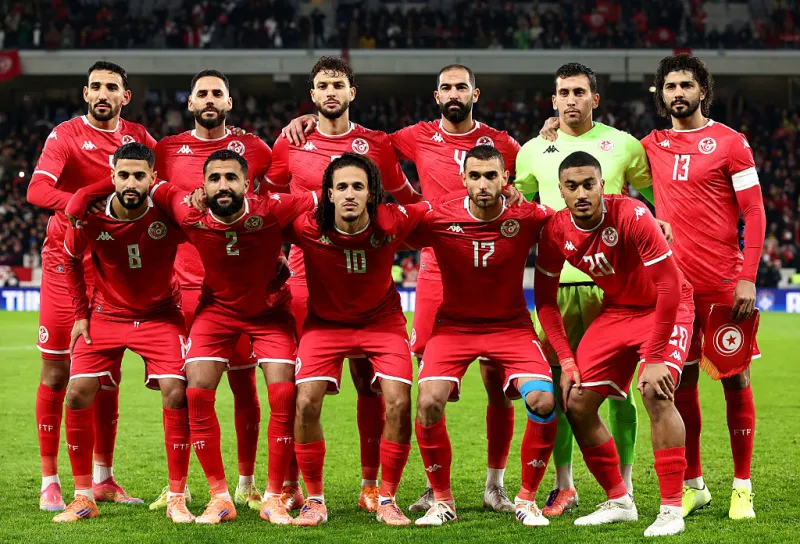
Photo source by FourFourTwo (Web)
Tunisia: Sorting Through Defensive Anomalies to Enforce a Pragmatic Shield
Conversely, Tunisia experienced a polar opposite reality during their opening match in Monterrey. Ellyes Skhiri and his compatriots were systematically dismantled by a clinical Sweden side in a heavy 1-5 defeat. While the Carthage Eagles initially displayed aggressive physical energy and a highly energetic midfield configuration during the opening stages, their structural reliance on an overly aggressive high defensive line (high-line) proved completely catastrophic. The opposition's sheer attacking velocity easily bypassed Tunisia's loose offside traps, exposing a severe lack of lateral coordination during defensive recovery phases.
Video source by TVRI Nasional (YouTube)
Following that defensive breakdown, coach Jalel Kadri is highly expected to enforce an intensely pragmatic blueprint. Tunisia will almost certainly drop their defensive line significantly lower to deny Japan’s rapid wingers any room to sprint into, while thickening their middle block to disrupt Japan's sirculation lanes at the root.
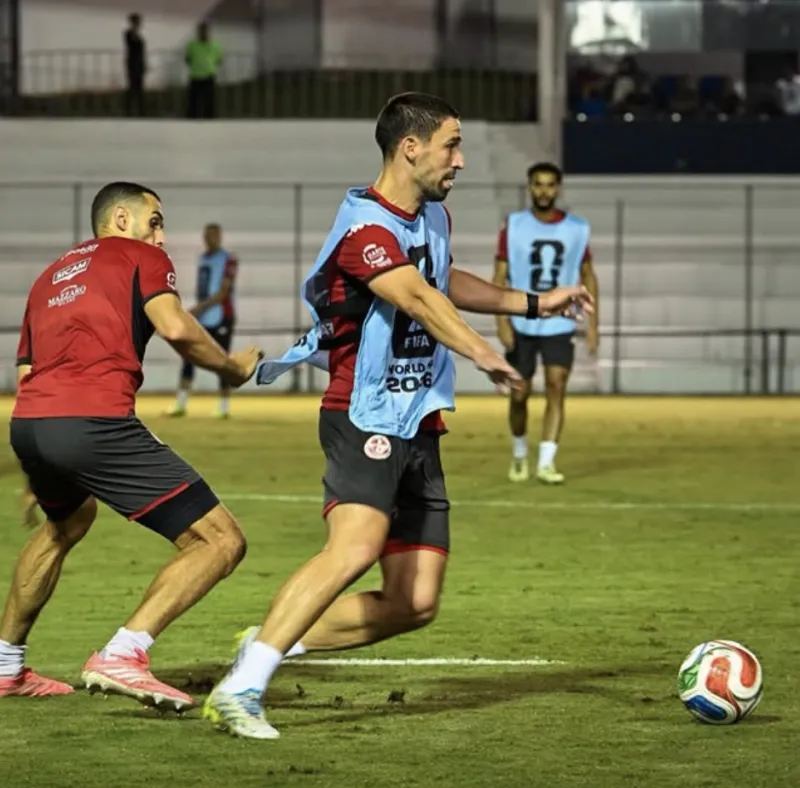
Photo source by Federation Tunisienne De Football (Instagram)
Tactical Deep Dive: Exploding the Lower Pockets and Battling the Midfield Press
Analyzing how Sweden unhinged Tunisia reveals a clear tactical roadmap for Hajime Moriyasu. The primary objective centers on weaponizing horizontal spaces behind Tunisia's flank defenders. Dynamic, high-tempo wingers like Kaoru Mitoma and Ritsu Doan will be tasked with constantly stretching the pitch, isolating Tunisia’s center-backs who struggle when forced to transition backward under high-velocity tracking situations.
The secondary operational key resides in the central engine room. Tunisia’s midfield core, led by Ellyes Skhiri and Aissa Laidouni, is notoriously aggressive, leveraging heavy physical friction to rupture their opponent's passing rhythms. This environment will test the spatial composure of Wataru Endo and Ao Tanaka. Japan's central anchors must maintain pristine defensive positioning, executing rapid, clean distributions out to the wide channels before Tunisia's physical press can close the trapping angles.
"The grand romance of the 1,000th World Cup match belongs to the archives of history, but the physical mastery of space and tempo inside Monterrey Stadium will solely belong to the side that dictates the terms of engagement."

Photo source by Federation Tunisienne De Football (Instagram)
Tactical Formations, Squad Depth, and Final Analytical Prediction
Japan is slated to preserve their fluid 4-2-3-1 or 4-3-3 matrix, featuring Zion Suzuki between the posts, shielded by the elite partnership of Takehiro Tomiyasu and Ko Itakura, with Ayase Ueda leading the line. Tunisia will counter by dropping into a compact, pragmatic 4-5-1 or 4-3-3 shell, isolating Seifeddine Jaziri up top as a lone target man tasked with chasing isolated long-ball clearance transitions.
On paper, Japan holds a clear psychological advantage generated by their resilient showcase against the Dutch. Should Japan achieve an early breakthrough in the first half, Tunisia will be forced to discard their defensive shell—a scenario that will inevitably unlock massive structural space for the Samurai Blue's technical weapons to inflict further damage.
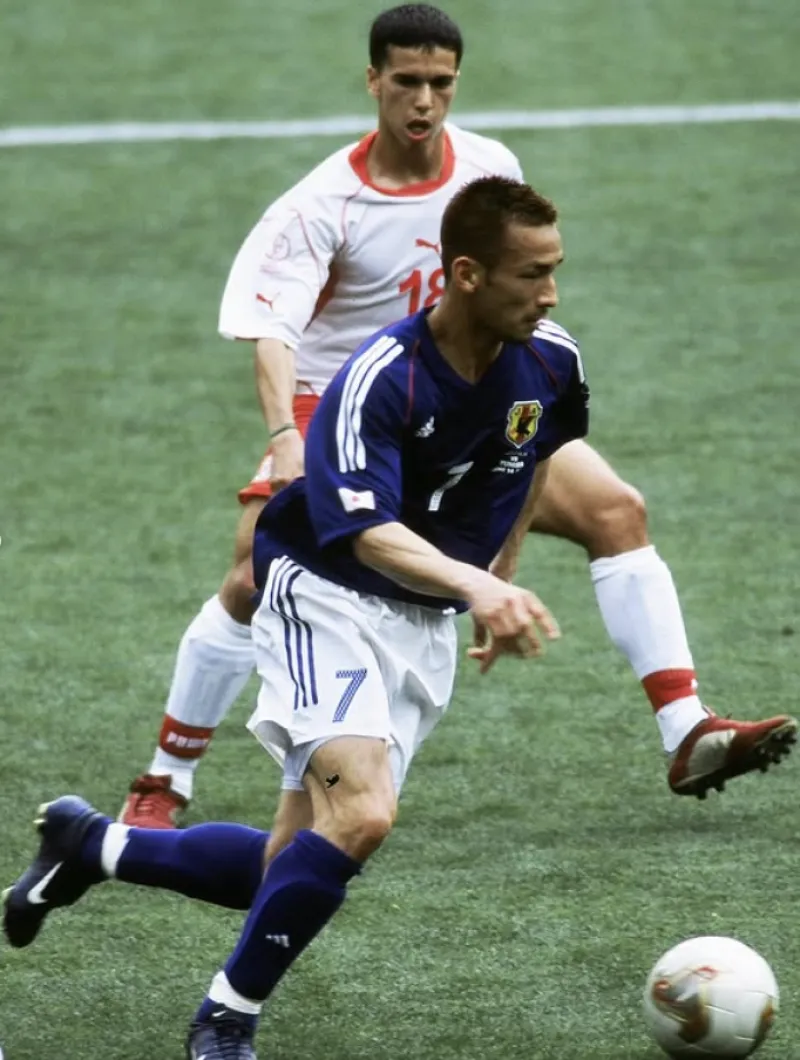
Photo source by Japan Football Association / JFA (Instagram)
Video source by TVRI Nasional (YouTube)
"Tunisia's pragmatic defensive shield will quickly dissolve into a fragile barrier if their engine room fails to match the micro-second velocity of the Samurai Blue's short-passing sequences."
WRAP-UP!
The historic 1,000th fixture in World Cup history serves as a critical junction of clashing motivations. Japan's trajectory rests on their efficiency in transitioning into a proactive unit that breaks down low blocks, while Tunisia faces an absolute psychological requirement to heal their defensive trauma and avoid early elimination.
Video source by TVRI Nasional (YouTube)
Monitor the opening 15 minutes of play to evaluate exactly how low Tunisia establishes their defensive block, and observe how Japan’s inverted wingers drift wide to drag the opposing fullbacks out of their interior tracking zones.
Looking to feature your brand and business through Alinear Indonesia’s Smart Publication & Smart Activation? Share your experience and consult with us today. Click here!