










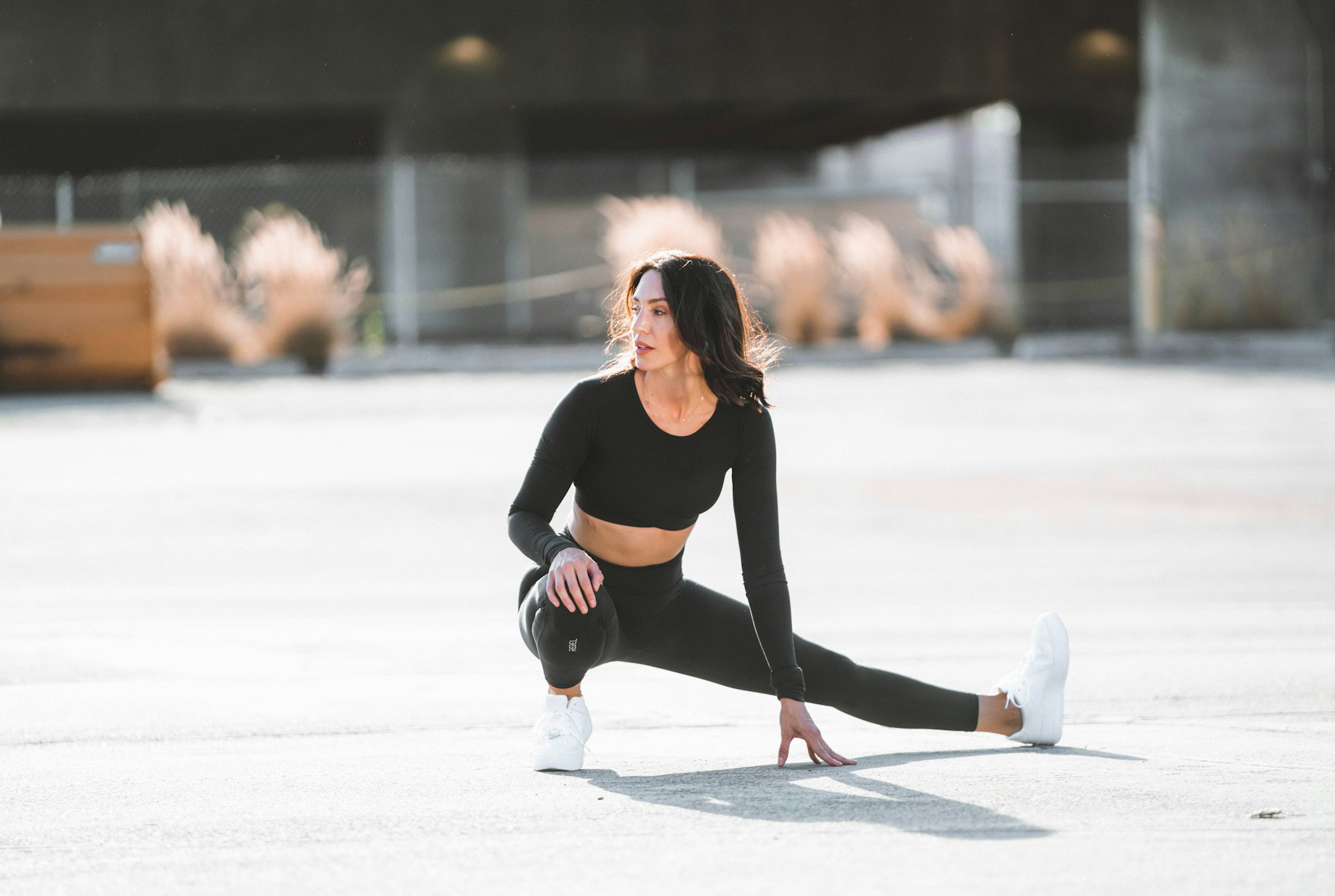
"Learning why training your body according to its evolutionary design is far more effective for long-term health than just lifting weights at the gym."
Photo by Bradley Dunn on Unsplash
Many spend hours in the gym only to still feel stiff, suffer joint pain, or sustain injuries in daily life. The core issue is often not a lack of muscle strength, but a loss of basic mobility. This is where the concept of Primal Movement serves as a correction to how we view fitness. This training focuses on seven fundamental human movement patterns: squat, hinge, lunge, push, pull, rotate, and locomotion. By returning to the movement patterns used by our ancestors—or even by infants learning to move—we are restoring bodily functions that have often become dull due to a modern, sedentary lifestyle.
"Your body is designed to move in multiple directions, not just sit static or move in rigid, repetitive patterns."
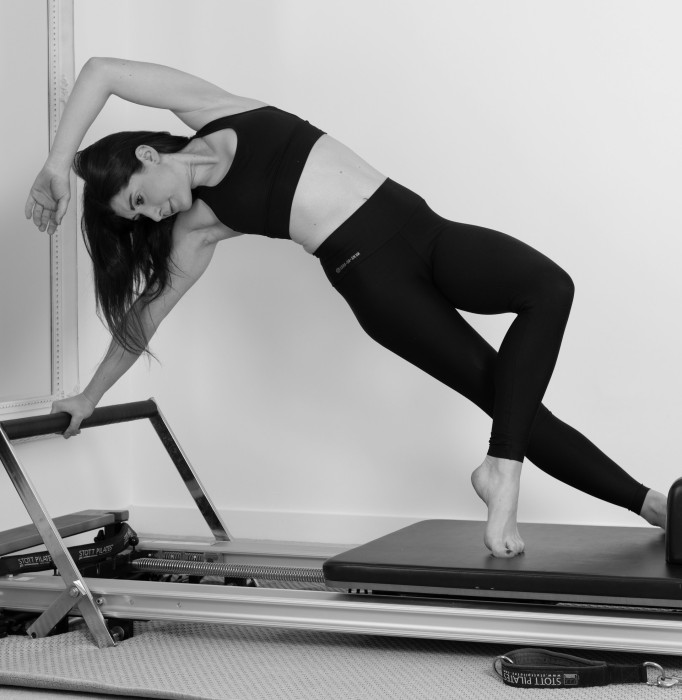
Photo by Helen Thomas on Unsplash
Technically, primal movement emphasizes full-body integration rather than muscle isolation. Exercises like crawling, hanging, or transitioning from sitting to standing without hand assistance stimulate the proprioceptive system (body awareness in space) and strengthen connective tissues and joints. Unlike gym machines that limit the direction of movement, primal movements force the body to work in sync, building true core stability and increasing functional flexibility. The result is a body that not only looks athletic but is genuinely tough and agile enough for any activity, from lifting heavy boxes to playing with children without fear of injury.
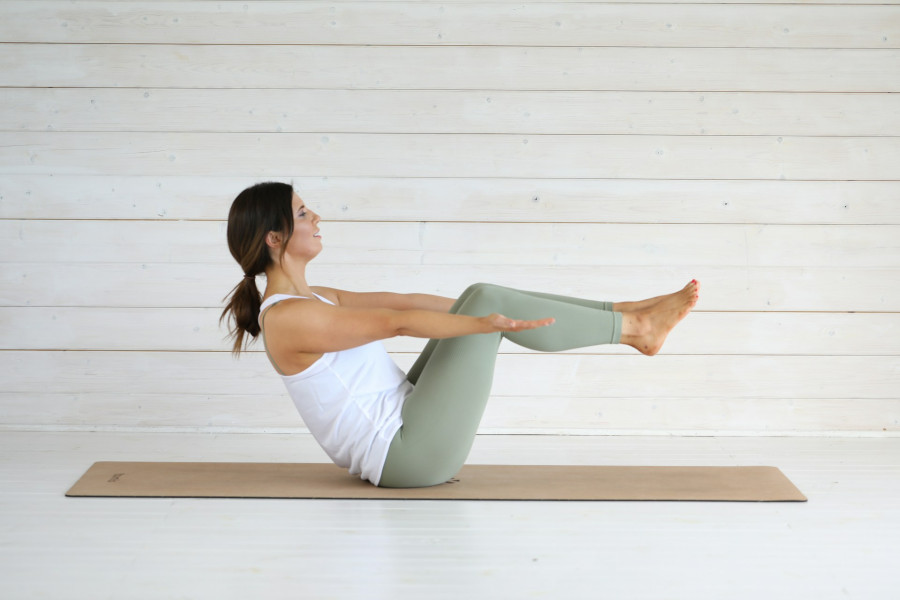
Photo by Margaret Young on Unsplash
Incorporating these exercises also offers significant neurological benefits. Cross-crawl patterns, such as crawling, are known to synchronize the left and right hemispheres of the brain, improving concentration and emotional balance. There is an instinctive satisfaction in mastering your own body weight on the floor. Primal movement requires no expensive equipment; it only needs open space and a willingness to experiment with your physical capabilities. It is a liberating form of exercise where the primary focus is body exploration rather than mere calorie burning or muscle aesthetics.
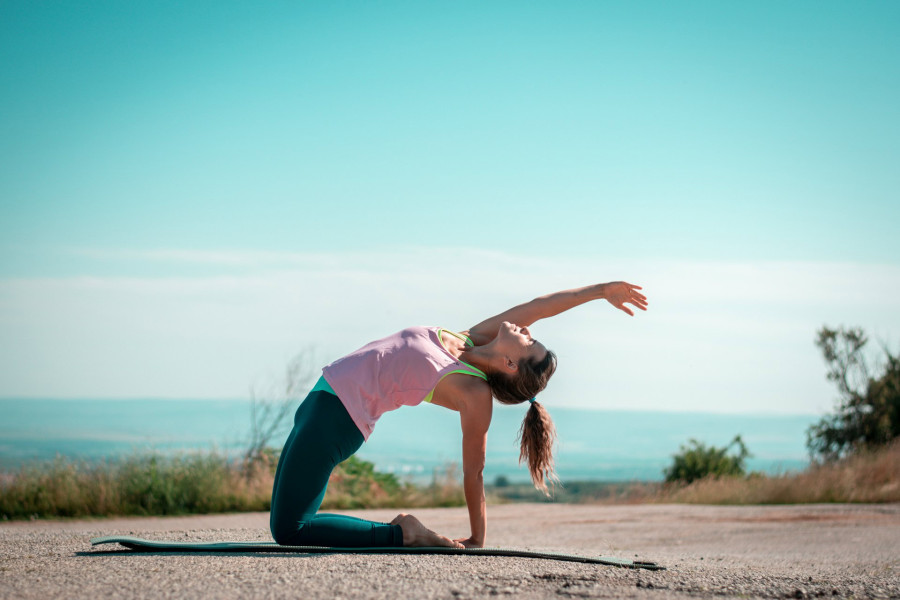
Photo by Stan Georgiev on Unsplash
In the long run, adopting these movement patterns is an investment in an active old age. Mobility is the key to physical independence. By routinely training our joints and muscles to move through their full range of motion, we prevent premature degeneration and maintain our quality of life. Primal Movement reminds us that we are creatures designed to move, explore, and interact with the physical world dynamically. Returning to fundamental movements is the best way to celebrate what it means to have a healthy, functional, and pain-free body.
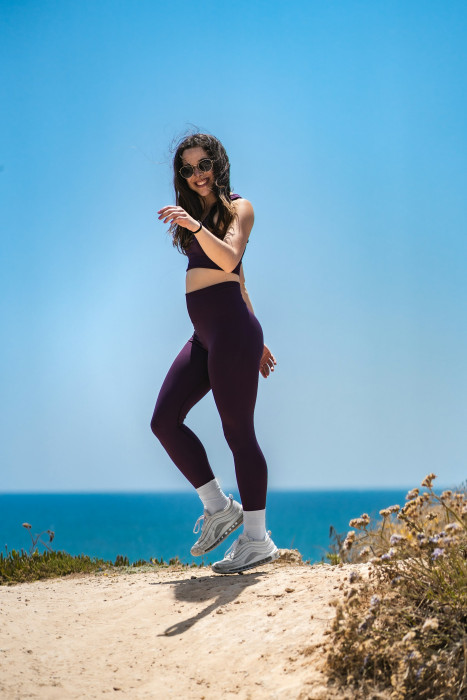
"True fitness is not about how much weight you can lift, but about how freely you can move your own body across the earth."
Wrap-Up!
Primal movement is the most honest way to maintain human physical integrity throughout the lifespan. Try holding a deep squat position for 2 minutes every day; it is the simplest mobility test to check the health of your hip joints and spine.