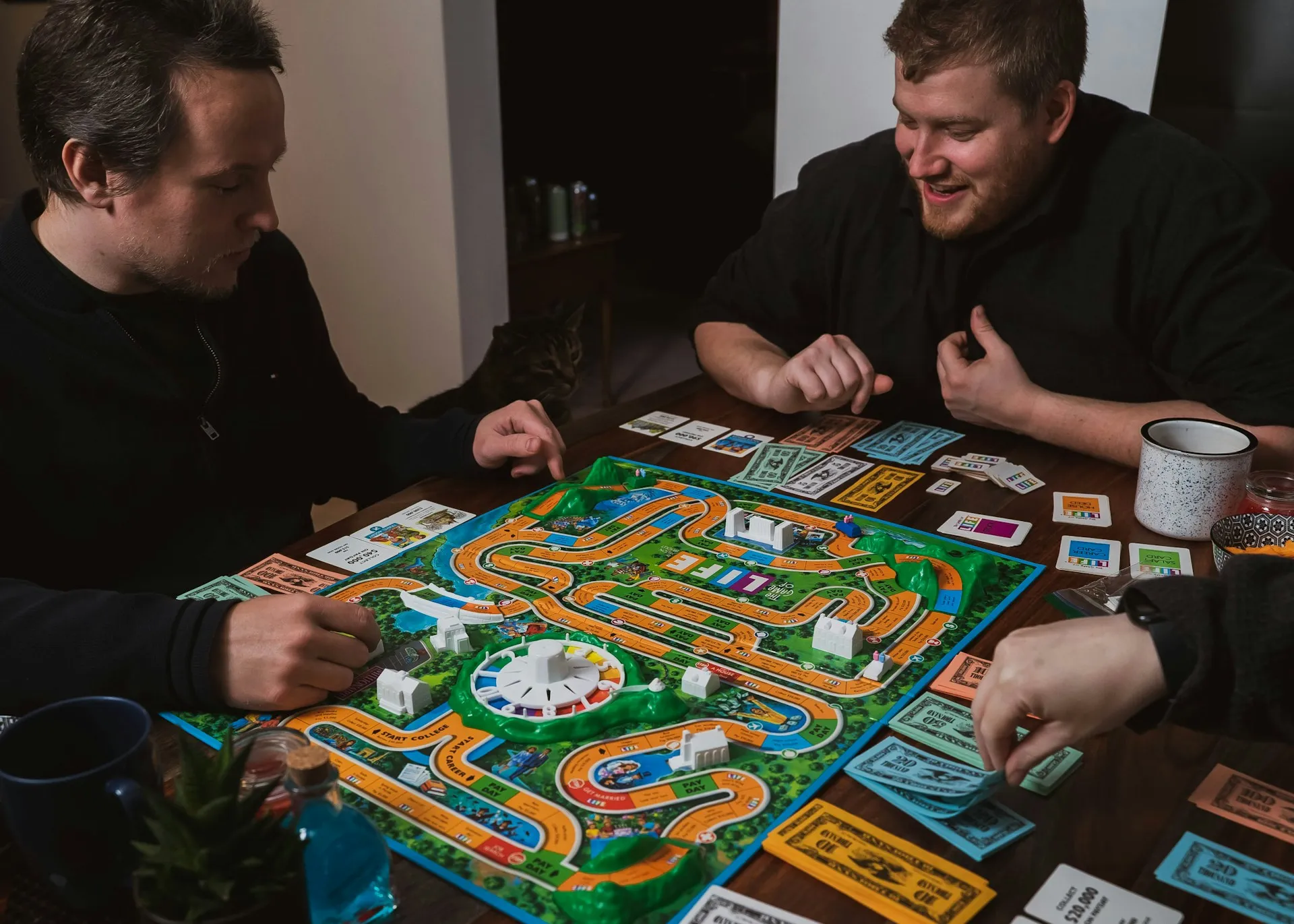

Amidst the saturation of digital entertainment that is often solitary, a movement back to the dining table has emerged: the renaissance of Table Games or modern board games. This phenomenon is not merely about nostalgia, but a fundamental human need for real and measurable physical interaction. Unlike video games that rely on reflex speed and graphic processing, strategic board games highlight the ability for analysis, negotiation, and reading the character of the interlocutor directly. Here, entertainment becomes a communal activity that requires every participant to be fully present—both physically and mentally—creating a space where phones are often left in pockets.
"On the game table, every decision has physical weight; we are not just moving pieces, we are building bridges of communication with one another."
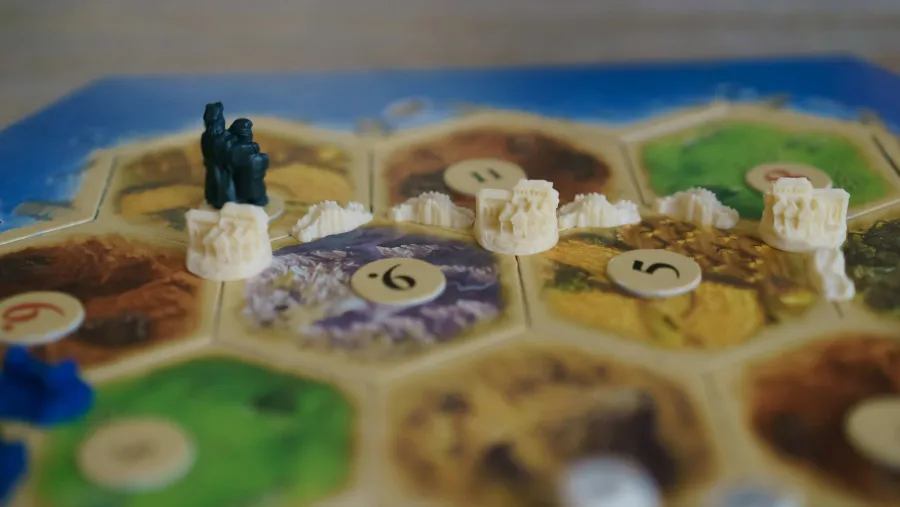
Photo by Aksel Fristrup on Unsplash
Psychologically, board games offer a unique interaction structure. In a single game session, one can play the role of ally, competitor, or negotiator. This dynamic trains social intelligence in a safe and enjoyable environment. Modern games today have highly complex mechanics, ranging from resource management and area control to social deduction elements. This complexity stimulates the prefrontal cortex—the part of the brain responsible for planning and decision-making. Moreover, the tactile elements—such as holding high-quality cards, moving solid wooden pieces, or rolling dice—provide a sensory satisfaction that gives a sense of "reality" to every victory or defeat.
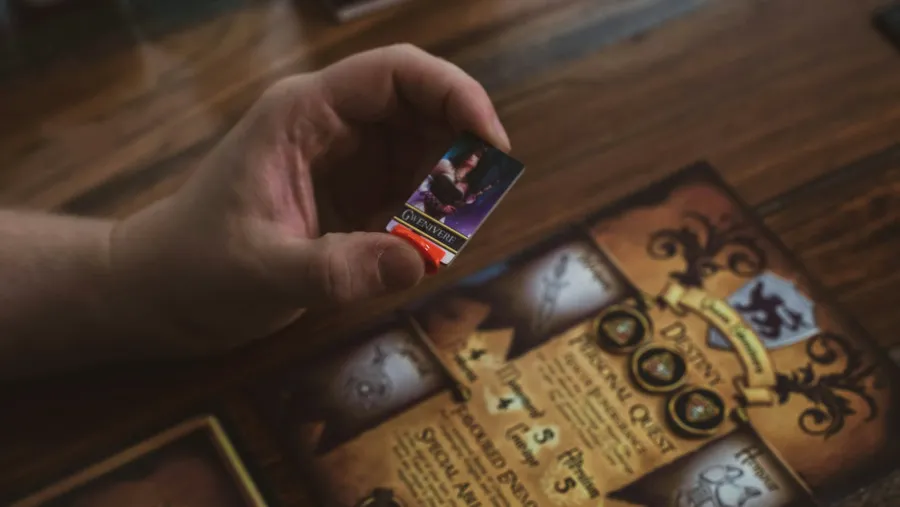
In addition to the cognitive aspect, board games serve as a strong social glue. In often individualistic urban environments, board games become a legitimate reason to gather without the need for other formal reasons. They break down the walls of awkwardness between strangers and deepen bonds between old friends. Through the game, we can see how someone handles pressure, celebrates success, or responds to failure. The emotional honesty that appears on the game board is what creates a social intimacy that is difficult to find in digital interactions that are often curated and shallow.

The future of communal entertainment seems to be moving toward a more analog and participatory direction. The existence of board game cafes and strategy clubs in various cities shows that humans remain social creatures who crave face-to-face contact. Board games teach us that the best pleasure is often found in the simplicity of a box, a stack of cards, and the presence of people around us. It is a reminder that behind all technological advances, our need to look at each other, laugh together, and think together is the essence of timeless happiness.
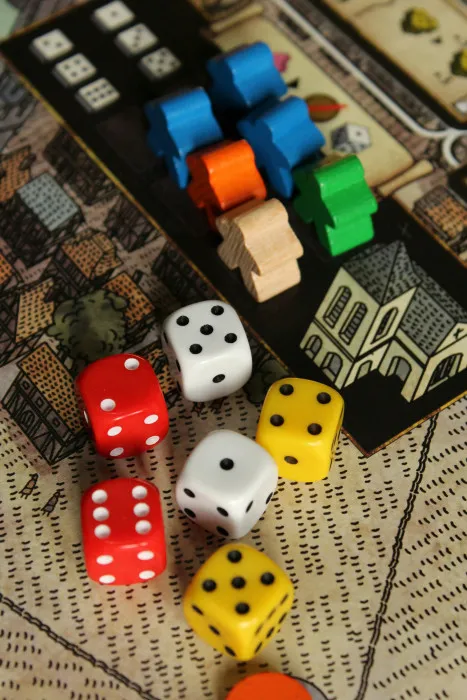
Photo by Robert Coelho on Unsplash
"The true victory in a game is not the final points achieved, but the stories and laughter that remain after all the pieces are packed away."
WRAP-UP!
Board games are the best medium to train the brain while maintaining social health in an increasingly fragmented world. Try scheduling one night a month as a "Game Night" with family or friends without involving any electronic devices.

![Smart Publication+ 3.0: Build Authority. Drive Growth. [Technical Specification]](https://www.alinear.id/assets_web/images/qr-codes/bd48cb0acb2d9586570edb8a7303cee1.jpg)