

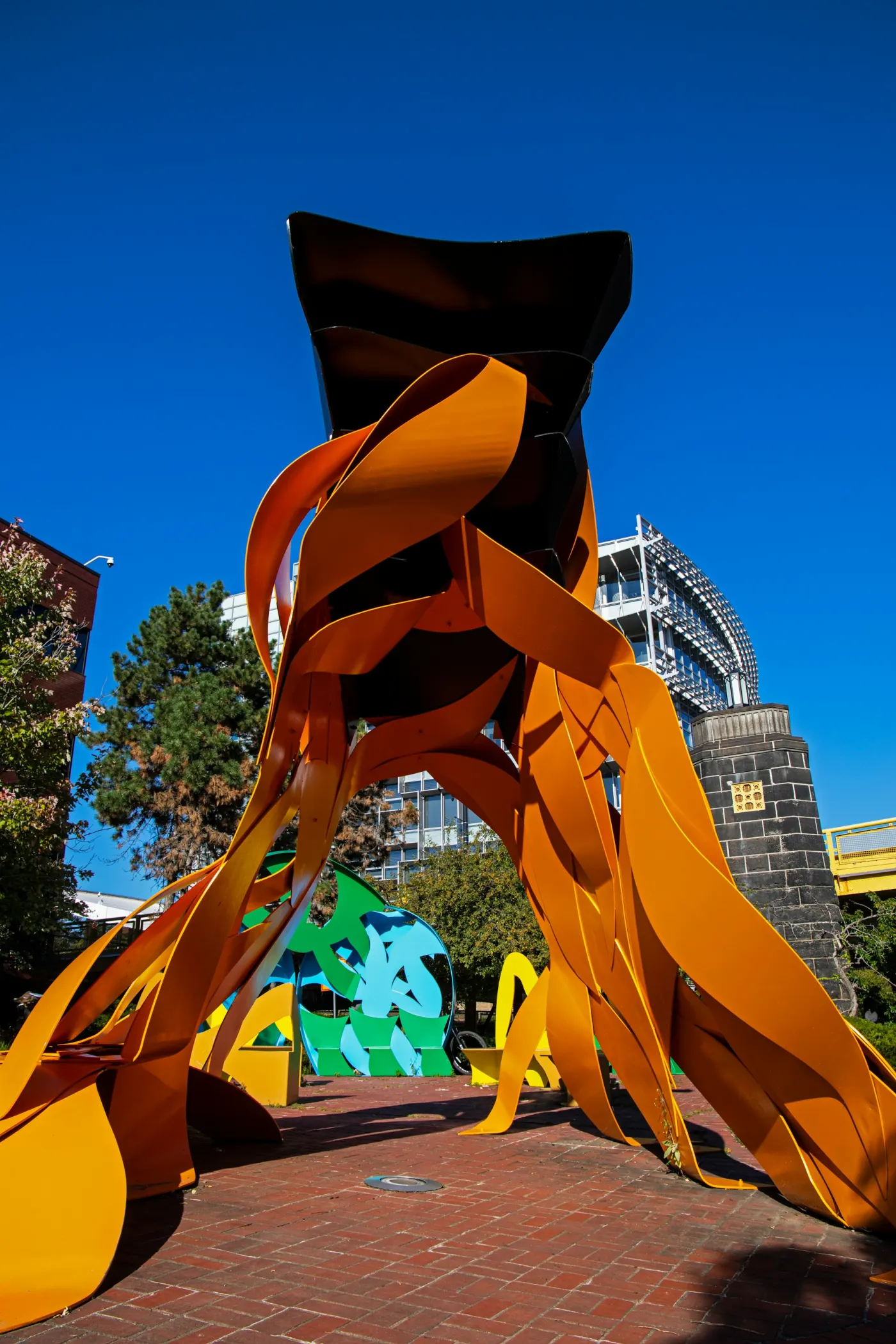

Photo by Walter Martin on Unsplash
In modern architecture and urban planning, the identity of a metropolis is no longer measured solely by the height of its skyscrapers or the scale of its physical infrastructure. The integration of artistic elements into public spaces now serves as an essential framework (The Modern Essential) for breathing soul and character into urban landscapes.
Utilizing city parks and public plazas as venues for interactive open-air art installations brings vibrant new color to the urban cityscape. Historically, contemporary art has often been perceived as exclusive—isolated inside quiet, white-walled galleries detached from the everyday lives of citizens. However, when artwork steps out into open-air spaces, an aesthetic democratization occurs. Art ceases to be a luxury commodity consumed by a select few; it transforms into a shared collective experience accessible to everyone without social barriers.
"Public art proves that the finest cities aren't those packed with concrete, but those that allow their citizens' imagination to thrive in open spaces."
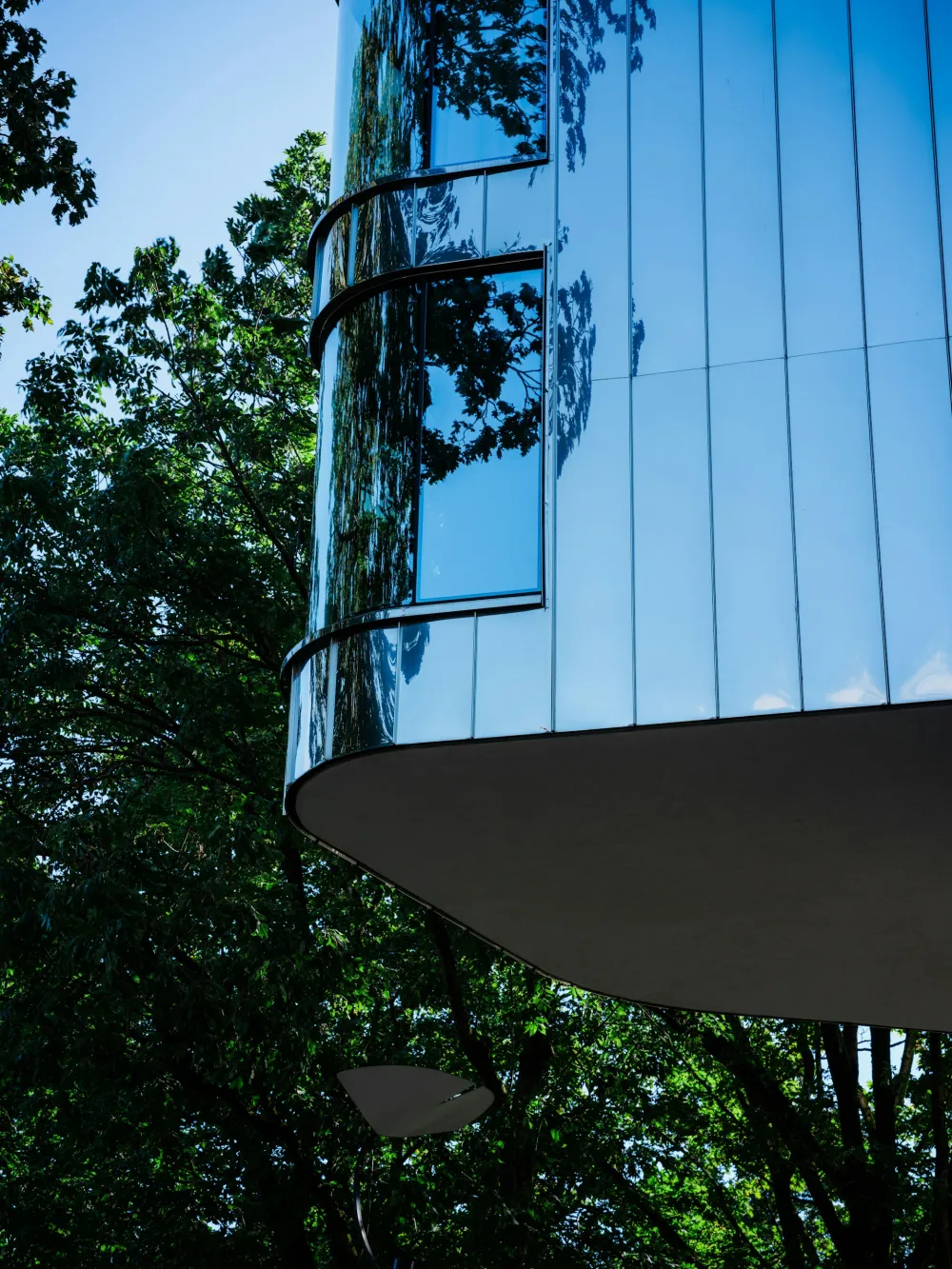
Photo by Heng Chiu on Unsplash
How do public art installations reshape the social dynamics of city dwellers?
The magic of public art lies in its ability to interact directly with the hurried daily rhythms of passing pedestrians. Contemporary sculptures centered on environmental themes placed directly along footpaths do far more than decorate city corners; they open transparent spaces for communal discussion. When an installation incorporates recycled materials or visually responds to climate change, passersby are invited to pause, observe, and exchange perspectives with strangers.
The presence of these public art elements breaks down the distance between artwork and the general public, making urban spaces feel significantly more alive, inclusive, and inspiring to all who cross their paths. City parks cease to be passive green patches, transforming instead into warm stages for social interaction.
"Dismantle the gallery walls; let contemporary sculpture greet pedestrians and spark communal dialogue amidst the bustle of city streets."
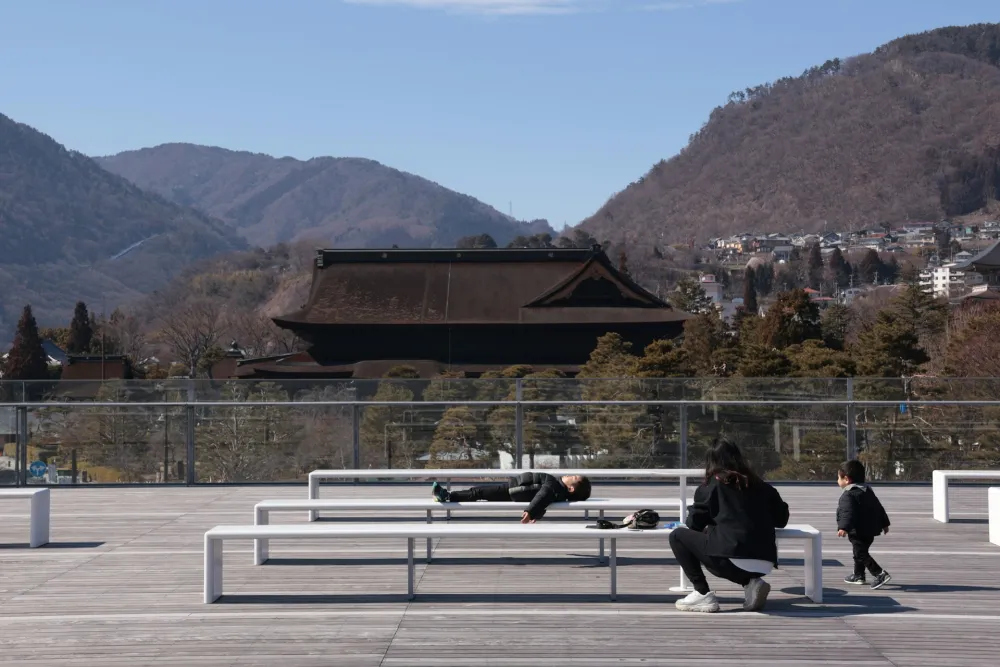
Photo by Yanhao Fang on Unsplash
Bagaimana pemerintah kota dan komunitas seni lokal dapat merancang keberadaan seni instalasi ruang terbuka yang berdampak jangka panjang?
•• Interactive & Accessible Design: Creating installations that invite physical touch or active participation, ensuring art feels approachable and welcoming.
•• Local & Environmental Relevance: Addressing social and sustainability themes closely tied to the local community's shared memory or environmental challenges.
•• Harmonious Integration with Urban Architecture: Strategically positioning art pieces at key pedestrian nodes without hindering accessibility, establishing iconic new visual landmarks.
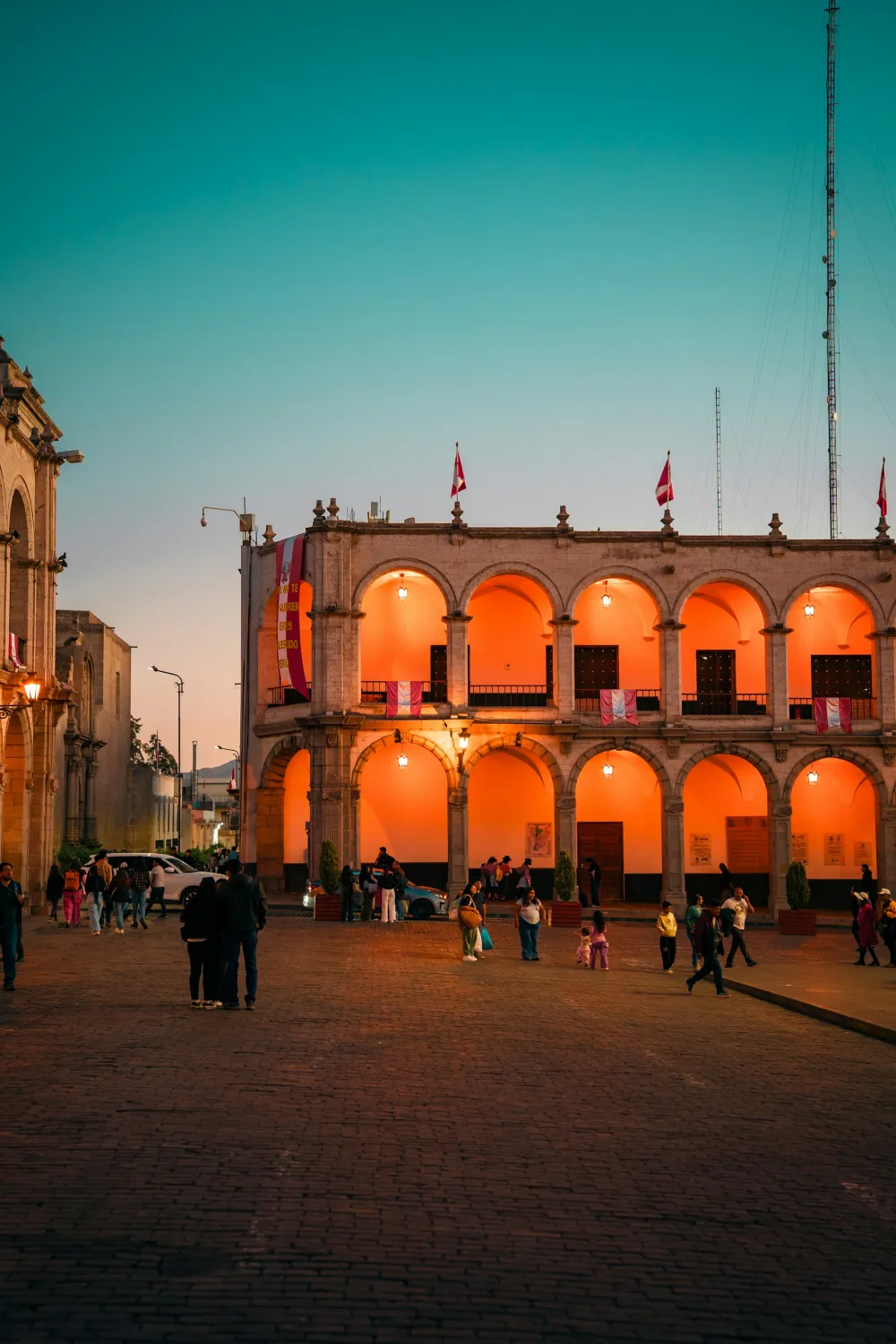
Photo by Lucas Klein on Unsplash
"When artistic expression meets inclusive public space, a city transforms from cold concrete into a living cultural sanctuary."
WRAP-UP!
Implementing Open-Air Art Installations reinforces Public Art & City Landscape, removing artistic exclusivity while shaping an inclusive, inspiring urban character. Explore reviews of global public art installations, inclusive urban spatial design guides, and urban contemporary art trend reports with Alinear Indonesia.
Ready to Elevate Your Business and Brand to the Forefront of the Digital Era?
Discover how Alinear Indonesia’s integrated Smart Publication & Smart Activation solutions combine media PR with AI-driven intelligence and the power of storytelling to multiply your business visibility and credibility (Brand Authority). Consult your vision and growth strategy with us today. [Click Here to Begin!]



![Alinear Indonesia [Brand/Business Registration] Smart Publication & Smart Activation](https://www.alinear.id/assets_web/images/qr-codes/3e23e7dab43d2e72854ba48a3a09cf75.jpg)