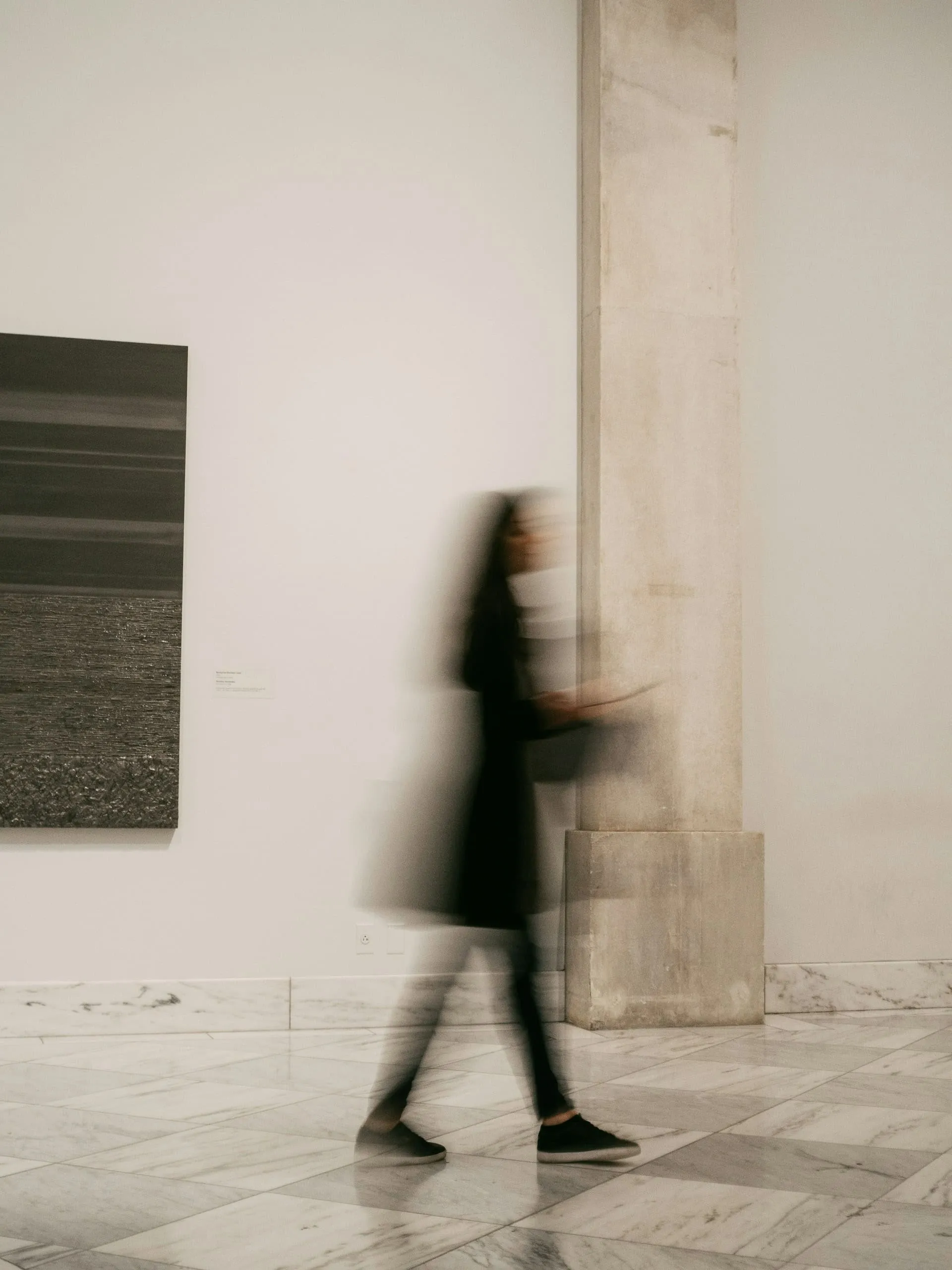

Photo by Charles Etoroma on Unsplash
The world of fine arts is undergoing a massive redefinition in terms of accessibility. Digital art, once confined to device screens or exclusive gallery walls, is now venturing into open spaces through the phenomenon of Generative Art. In busy urban centers, art installations are no longer static; they live, breathe, and respond to their surroundings, bringing an aesthetic experience directly into the heart of the citizen's daily routine.
At the core of generative art is the use of intelligent algorithms that allow the work to change endlessly. The factors influencing its visuals include:
– Human Movement Response: Utilizing infrared sensors or smart cameras, these installations can detect the presence and movement of people nearby. Every step or wave of a hand triggers a shift in shape, color, or pattern within the work.

Photo by Sercan Selvi on Unsplash
– Environmental and Weather Sensors: Real-time data—such as wind speed, sunlight intensity, or temperature—acts as input for the algorithm to determine the visual mood, creating a dialogue between nature and digital technology.
– Barrier-Free Social Interaction: Citizens are no longer passive spectators. They are "co-creators" who indirectly determine the final outcome of the artwork, fostering unique social interactions amidst the urban hustle.
This dynamic visual beauty has a wider impact within the creative ecosystem. These installations often serve as popular backdrops for creators of Short Vertical Films. The ever-changing visuals ensure that every recording is unique, making it a magnet for audiences seeking aesthetic and technologically innovative content.

Photo by Bernard Hermant on Unsplash
Bringing generative art into public spaces is a concrete effort to democratize art. By placing AI technology on sidewalks and in parks, art becomes inclusive—accessible to anyone regardless of cost or artistic background. It creates a beautiful pause in the middle of a busy city, a digital sanctuary that sparks curiosity and creativity.
"When every footstep you take on the sidewalk transforms into a beautiful digital brushstroke."
The integration of generative art in public spaces reflects a vision of the future city that is not only functional in its infrastructure but also culturally rich. Art and technology work together to create a more human environment, where citizens feel connected to one another through a visual experience that is communal yet deeply personal.

"The best technology is the one that doesn't just simplify life, but also gives us a reason to stop for a moment and admire the beauty around us."
WRAP-UP!
Generative Art in public spaces proves that algorithms can be a deeply humanistic tool for connecting people. By transforming urban spaces into interactive canvases, digital art has found a new identity as a bridge that strengthens social interaction in the modern world.
Looking to feature your brand and business through Alinear Indonesia’s Smart Publication & Smart Activation? Share your experience and consult with us today. Click here!


![Alinear Indonesia [Brand/Business Registration] Smart Publication & Smart Activation](https://www.alinear.id/assets_web/images/qr-codes/3e23e7dab43d2e72854ba48a3a09cf75.jpg)