
Photo by Urban Vintage on Unsplash
In a world obsessed with incessant connectivity, we often view solitude as something frightening or a sign of social failure. However, in psychology, there is a fundamental difference between painful "loneliness" and healing "solitude." Solitude is a state where one consciously chooses to be alone to process thoughts, restore energy, and rebuild a relationship with the self. It is not an antisocial form of isolation, but an essential biological and emotional need. Without time for solitude, humans tend to lose their internal compass, getting swept away by public expectations and experiencing chronic mental fatigue.
"Loneliness is the feeling of lacking others, while solitude is the feeling of being sufficient with oneself."
Technically, solitude provides space for the brain to switch from a reactive state to the more reflective Default Mode Network (DMN). When we are not interacting with others, the cognitive load to "perform" or respond to social demands disappears. This is precisely when creativity often emerges unexpectedly. In silence, the mind has the opportunity to connect previously fragmented ideas. Many great thinkers, artists, and leaders throughout history used solitude as a tool for Deep Introspection. They realized that the answers to the most complex problems are often found not in noisy discussions, but in quiet dialogues with the self.
Photo by Leonardo Iribe on Unsplash
Practicing the art of solitude requires the courage to face "internal noise"—the anxiety, regrets, or fears we usually mask with social busyness. Enjoying time alone without physical distractions allows us to acknowledge these emotions without judgment. It is a form of mental resilience training. Someone who is comfortable in their solitude tends to have a higher level of emotional independence; they no longer excessively seek external validation because they have found a source of peace within themselves. By becoming a good friend to yourself, you actually become a healthier and more present individual when you eventually re-interact with others.
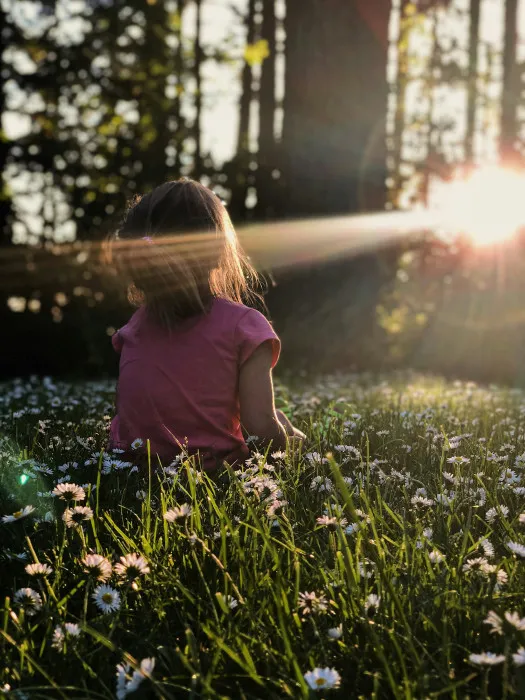
Photo by Melissa Askew on Unsplash
Integrating solitude into a modern lifestyle can start with small, analog actions: walking alone in a park, journaling in the afternoon, or simply sitting still while sipping tea without doing anything else. These are precious moments of "emotional detoxification." The ability to be alone is a sign of psychological maturity; it shows we have reached a point where we are no longer threatened by silence. Ultimately, the art of solitude is how we reclaim sovereignty over our thoughts and time. It reminds us that behind all the social roles we play, there is a core self that is clear, calm, and whole—one that we can only meet when we dare to be truly alone.
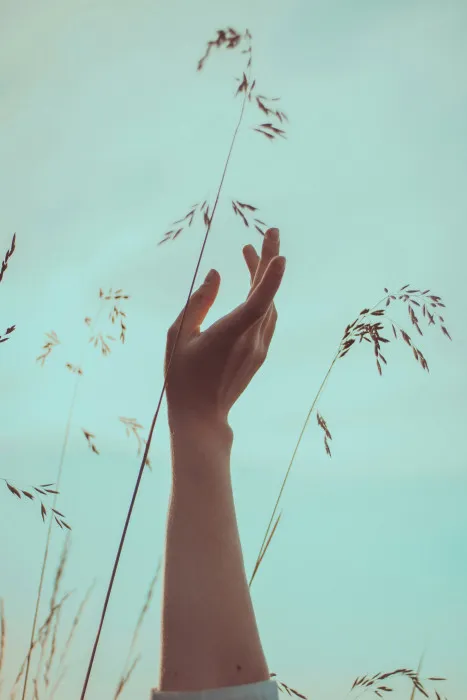
Photo by Nastia Petruk on Unsplash
"Only in honest silence can we hear the whispers of truth that are often drowned out by the shouts of the world."
Wrap-Up!
Solitude is the best investment for mental health and authentic creative growth. Schedule a "date with yourself" for 30 minutes today; leave all devices behind, go to a quiet place, and let your thoughts flow freely without any goal.