
Photo by Sam Freeman on Unsplash
Vehicle glass technology is entering a new era with the arrival of Smart Glass, also known as electrochromic glass. Unlike conventional window films that are static with permanent tint levels, this intelligent glass possesses adaptive capabilities to change its opacity and heat transmission. These changes can be triggered via a simple touch on a control panel or operate automatically based on the intensity of sunlight hitting the glass surface.
This innovation provides instant privacy for passengers without sacrificing visibility during low-light conditions, such as at night or inside tunnels. Smart glass acts as a dynamic shield, ensuring the vehicle's interior remains exclusive and comfortable across varying environmental conditions.

Photo by Ahnaf Tahsin on Unsplash
A Crucial Role in Electric Vehicle (EV) Efficiency
One of the most significant technical advantages of Smart Glass is its contribution to energy efficiency, particularly in electric vehicles. With its ability to maximize the blockage of infrared radiation during peak sunlight, the cabin temperature remains cooler without forcing the air conditioning (AC) system to run at peak loads.
Reducing the AC workload directly impacts battery preservation, which ultimately helps extend the vehicle's driving range on a single charge. Amidst the challenges of charging infrastructure, every innovation capable of optimizing energy consumption becomes an invaluable asset for sustainable mobility.

"Your car windows are no longer just wind barriers; they are intelligent filters shielding your comfort from the elements."
Technically, Smart Glass utilizes a layer of active material sandwiched between two layers of glass. When a low electrical voltage is applied to this layer, ions move and cause the glass to transition from clear to dark within seconds. This process requires minimal power to maintain its darkened state, making it a highly efficient operational solution.
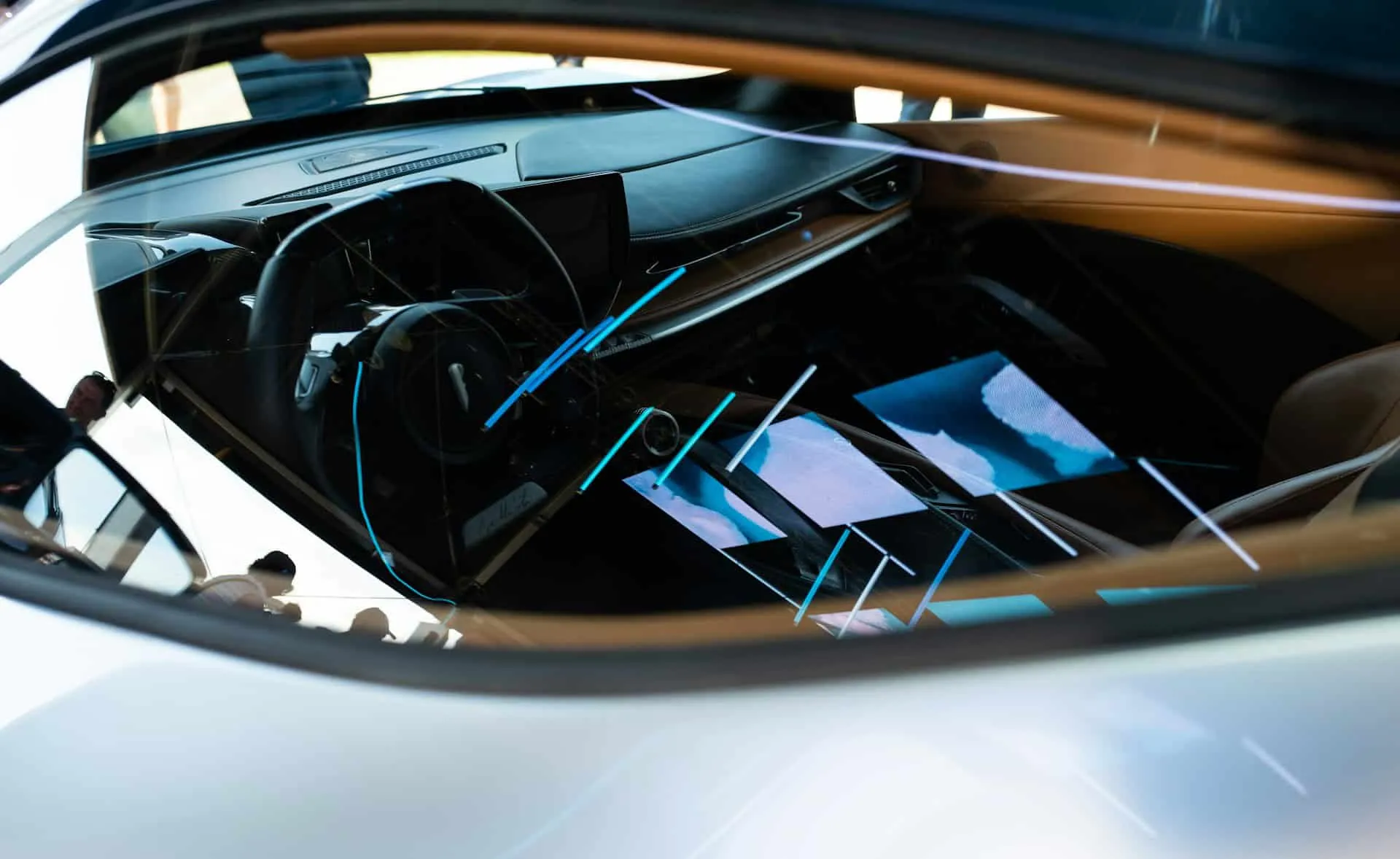
The advancement of this technology also opens doors for the implementation of Transparent Displays. In the future, vehicle windshields could potentially function as Augmented Reality (AR) navigation screens, displaying critical information without diverting the driver's eyes from the road. Smart glass is transforming into an intelligent interface that connects the driver with their surroundings more safely.

New Standards for Urban Cabin Comfort
For drivers in major cities facing high traffic congestion, Smart Glass offers a tangible solution to the problems of glare and excessive heat. This innovation creates a new standard in cabin luxury, where every journey feels more refined because disruptive external factors are automatically mitigated.
The implementation of smart glass is proof that every element of future vehicles is being designed to be more functional and adaptive. It is not merely about aesthetics; it is about building a mobility ecosystem that is environmentally friendly and intuitively adjusted to human needs.

Photo by Hyundai Motor Group on Unsplash
"True luxury is when technology adjusts the environment to your needs before you even realize it."
WRAP-UP!
Smart Glass or electrochromic glass is revolutionizing how we interact with light and temperature inside our vehicles. With its automatic adaptation capabilities, this technology not only enhances privacy and comfort but also serves as a key to optimizing the energy of future electric vehicles.
Looking to feature your brand and business through Alinear Indonesia’s Smart Publication & Smart Activation? Share your experience and consult with us today. Klik di sini!