










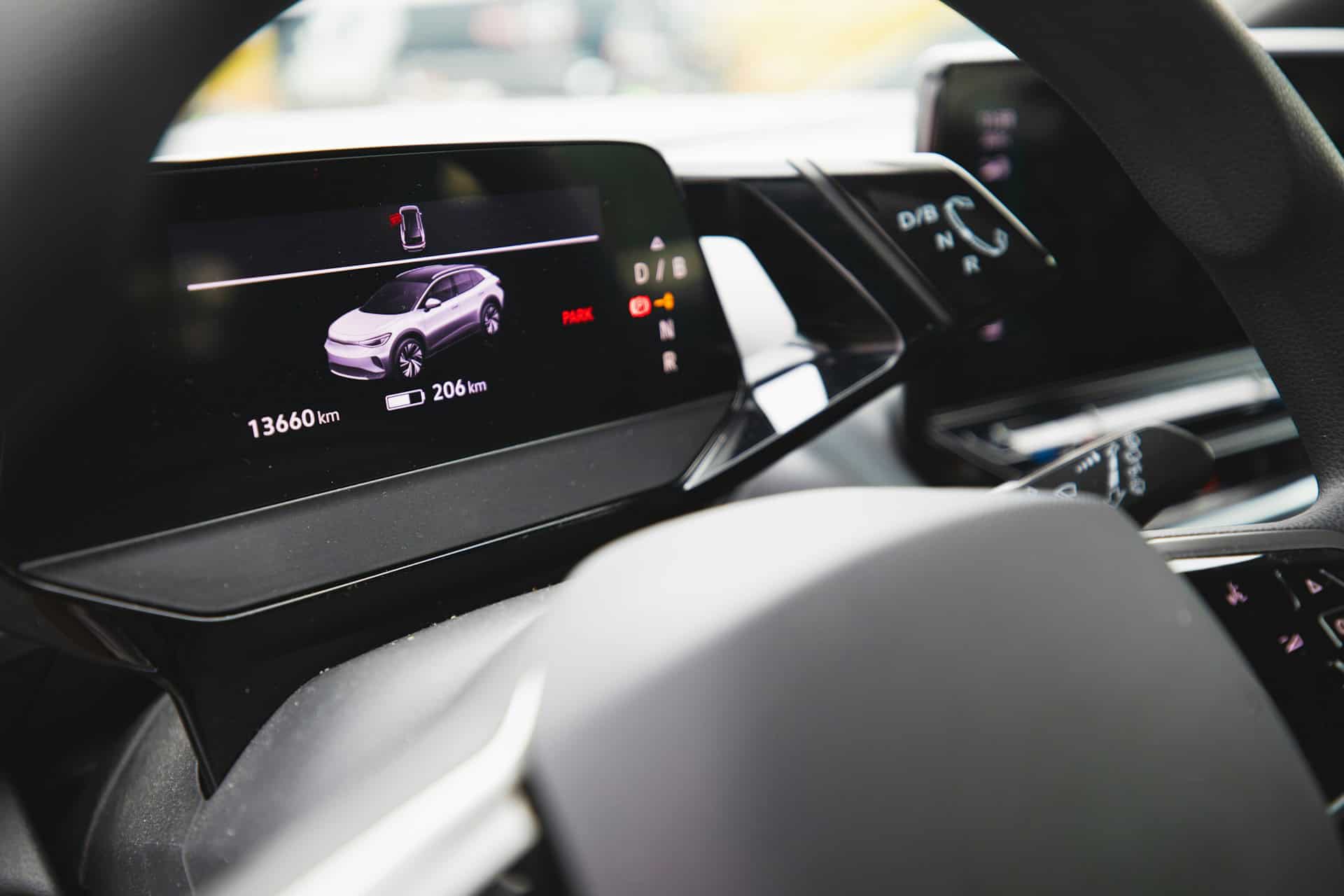
"Examining the Quantum Leap in Battery Technology That Will End the Era of Fossil Fuels and Erase the Limits of Modern Mobility."
Photo by Markus Spiske on Unsplash
In 2026, the global automotive world is anticipating the arrival of Solid-State Battery (SSB) technology with high enthusiasm. This technology is predicted to be more than just a minor update; it is a total revolution that will redraw the competitive map of Electric Vehicles (EV). While conventional lithium-ion batteries have been the gold standard for decades, solid-state is the "Holy Grail" that will take mobility to the next level.
The fundamental difference lies in its internal architecture. Unlike lithium-ion batteries that use flammable liquid electrolytes, solid-state batteries utilize a solid electrolyte material that is far more chemically and thermally stable. This seemingly simple change in material has a massive impact on the overall performance of the vehicle.
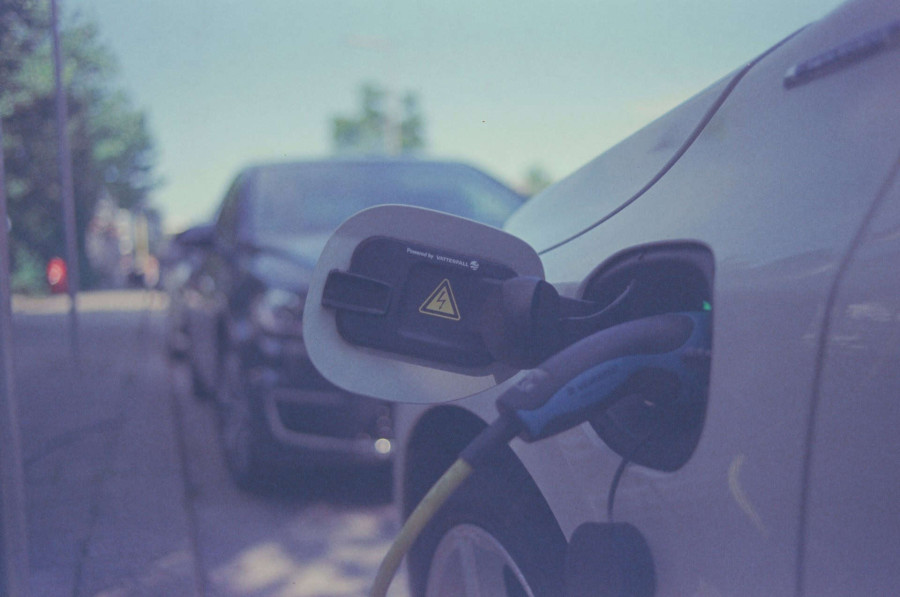
Photo by Markus Spiske on Unsplash
Energy Density and the End of "Range Anxiety"
The primary advantage of the solid-state battery is its significantly higher energy density. Within the same physical footprint, a solid-state battery can store two to three times more energy than a traditional liquid-based battery. This means automotive manufacturers can now create vehicles with much longer ranges—reaching 1,000 to 1,200 kilometers on a single charge—without adding excessive weight to the car.
This leap will automatically erase the biggest barrier to mass EV adoption: range anxiety. Users will no longer need to calculate remaining power every time they want to take an intercity trip. Furthermore, with a more compact battery size, cabin space can be designed more creatively, providing maximum comfort for both drivers and passengers.
"The future of mobility is no longer limited by the charging cable, but by how far our imagination can push this technology to go."
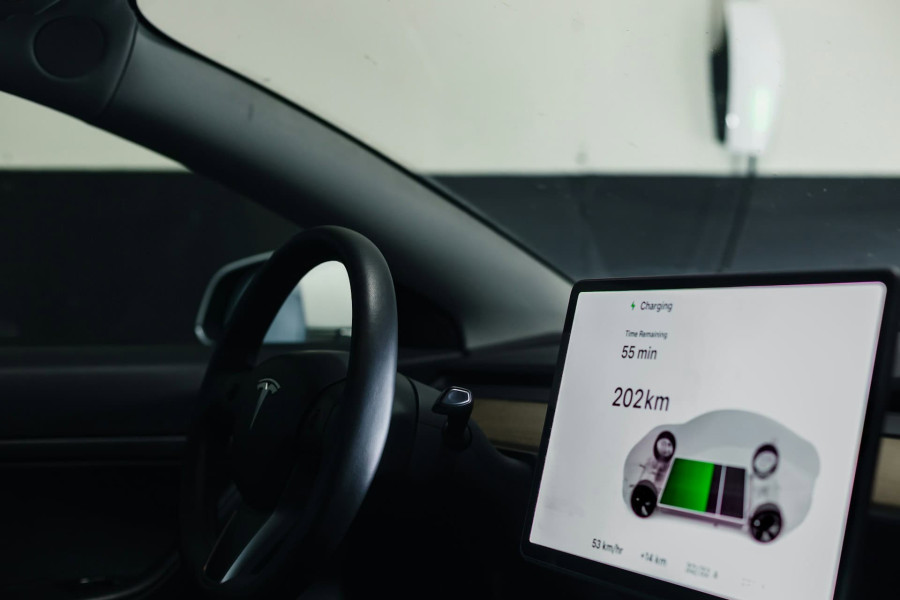
Photo by Priscilla Du Preez 🇨🇦 on Unsplash
New Safety Standards and Lightning-Fast Charging
Safety has always been a sensitive issue in battery technology. The use of solid materials in SSB eliminates the risk of fire caused by liquid leaks or internal short circuits, which are common concerns with lithium-ion batteries. Solid materials do not expand or ignite easily even under extreme temperature conditions, providing a much higher safety standard for users.
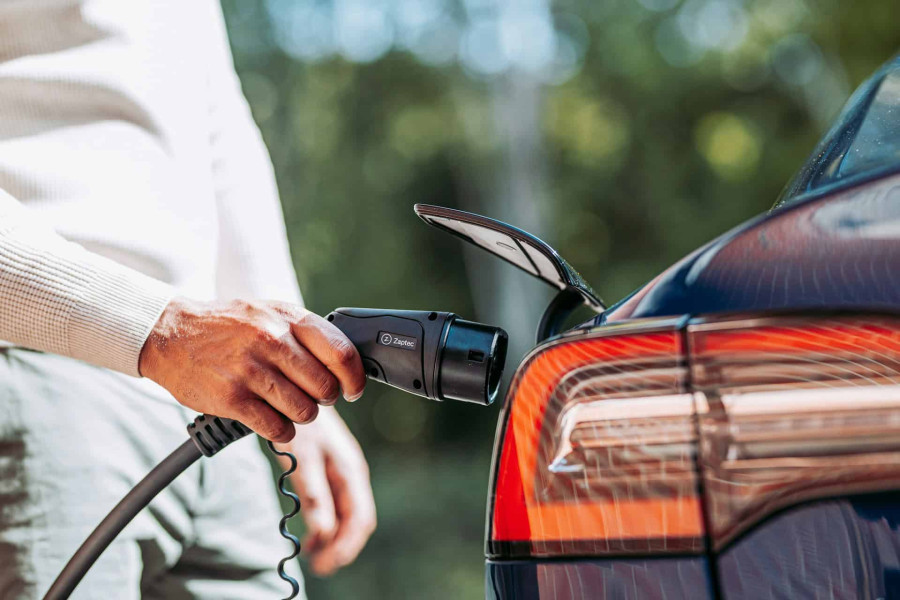
Beyond safety, this technology enables a significantly faster charging process. Without liquid that generates excessive heat when high currents are applied, solid-state batteries can be charged to 80% in less than 10 minutes. This speed approaches the duration of a conventional gas station stop, making it the most practical solution for a fast-paced urban lifestyle.
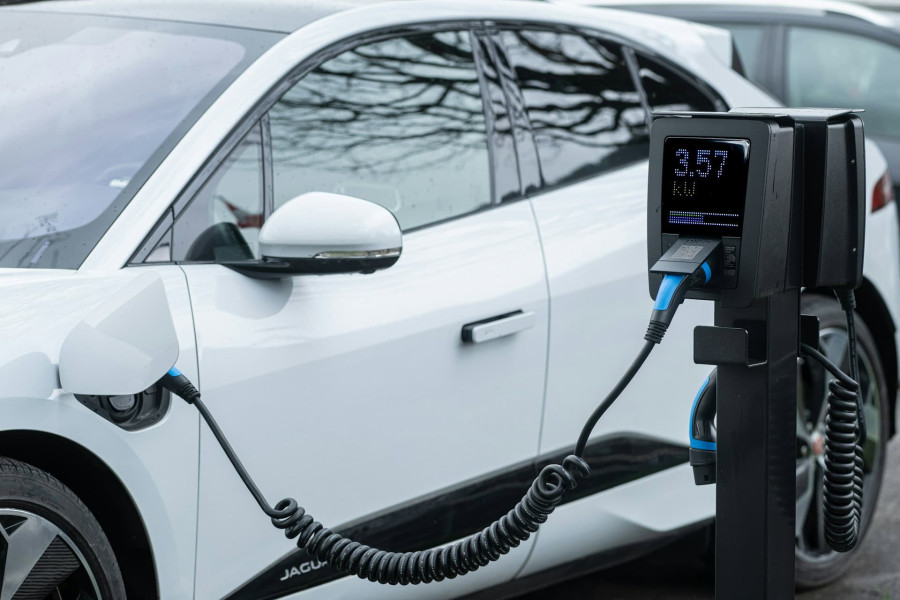
Photo by smart-me AG on Unsplash
The Foundation of Sustainable Transportation
This revolution also brings a positive impact on the environment. The production process for solid-state batteries has the potential to be more eco-friendly due to the reduced use of hazardous chemicals and rare minerals that are difficult to mine. With a longer lifespan—capable of enduring thousands of charge cycles without significant degradation—future battery waste will be drastically reduced.
For the smart mobility industry, this is the foundation of a sustainable, efficient, and uncompromising future. We are witnessing a transition where electric vehicles are no longer seen as a "second choice," but as the primary global standard for safer, cleaner, and far more powerful transportation.
"Solid-State technology is the point where efficiency meets performance without leaving a damaging carbon footprint behind."
WRAP-UP!
Solid-State Batteries are the key to the future of EVs. With advantages in range, charging speed, and safety, this technology will accelerate the world's transition toward clean energy. Keep an eye on major automotive manufacturers who are beginning road tests of solid-state prototypes this year. This is the best indicator of when you should prepare to switch to the next generation of EVs.
Looking to feature your brand and business through Alinear Indonesia’s Smart Publication & Smart Activation? Share your experience and consult with us today. Click here!