


Photo source by SR Digital - Alinear Indonesia (Adobe Firefly – Gemini AI)
Within conventional gaming industry taxonomy, the quality of an interactive product has almost exclusively been measured by linear visual parameters: high resolution crispness, the complexity of rendered graphic assets, and monitor frame rates. However, modern digital entertainment dynamics reveal a significant focus shift. Achieving absolute immersion no longer relies solely on what is captured by the player's eyes, but on how effectively the entire sensory space is engineered.
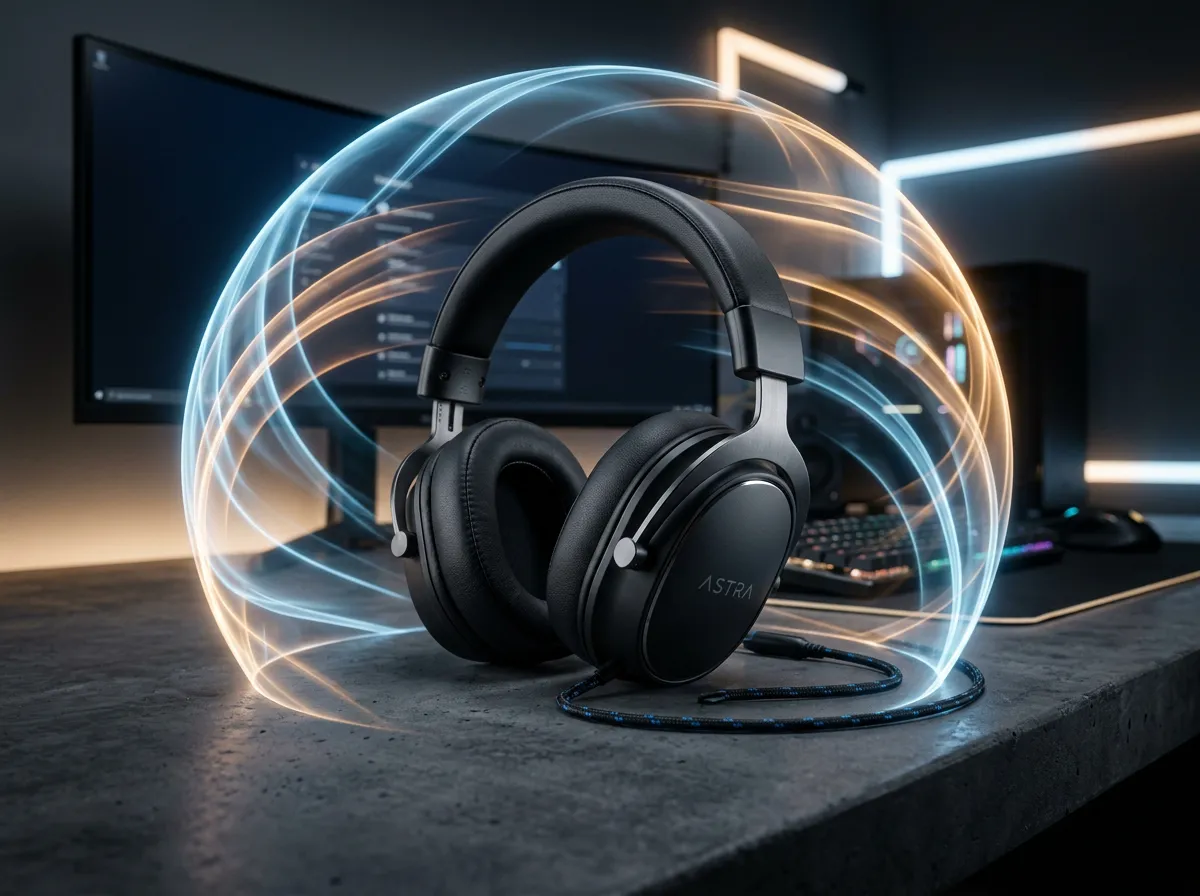
The validation of this new benchmark is driven by the widespread adoption of Spatial Audio Gaming technology. Bypassing the static boundaries of traditional stereo sound, this technology introduces a high-precision, three-dimensional acoustic system that shifts dynamically according to the player's exact real-time coordinates. This tactical approach directly shatters old industry dogmas that treated audio components merely as passive background decoration for visual displays.

Photo source by SR Digital - Alinear Indonesia (Adobe Firefly – Gemini AI)
Engineering an acoustic architecture capable of maintaining a high-grade illusion of reality demands precise digital signal processing algorithms. This technical framework completely rejects basic sound-mixing shortcuts to secure absolute pinpoint accuracy for virtual sound objects. The engine calculates subtle head movements instantly, adjusting sound frequencies on the fly to preserve environmental consistency.
The technical characteristics enabling this technological archetype to reshape the modern gaming experience rest on three fundamental pillars:
•• Precision Spatial Audio Algorithms: Computational models engineered to calculate sound reflections based on virtual wall materials, room volume, and object distances, rendering minute environmental details like footstep echoes in narrow concrete corridors.
•• Flawless Tracking and Directional Accuracy: A dynamic soundscape system that maps the precise trajectory of falling rain or wind gusts around the player, including accurate vertical and rear audio positioning in real-time.

Photo source by SR Digital - Alinear Indonesia (Adobe Firefly – Gemini AI)
•• Psychological Tension and Emotional Anchoring: Advanced acoustic engineering designed to influence the player’s subconscious spatial perception, deepening engagement and effectively blurring the lines between physical and virtual realities.
The competitive matrix of the digital entertainment industry requires developers to move within product design structures that possess sharp strategic differentiation. In this ecosystem, a game’s market value is no longer judged by the sheer scale of its production budget, but by the customer retention and player engagement rates it can systematically maintain.
Media consumption data demonstrates that realistic audio execution correlates directly with extended player retention and cognitive comfort during long-haul user sessions. Spatial Audio Gaming preserves its long-term strategic advantage because it treats sound as a primary storytelling instrument. Core attention is channeled into securing the largest possible immersion output by optimizing auditory performance, representing an efficient execution of modern sound design hardware.
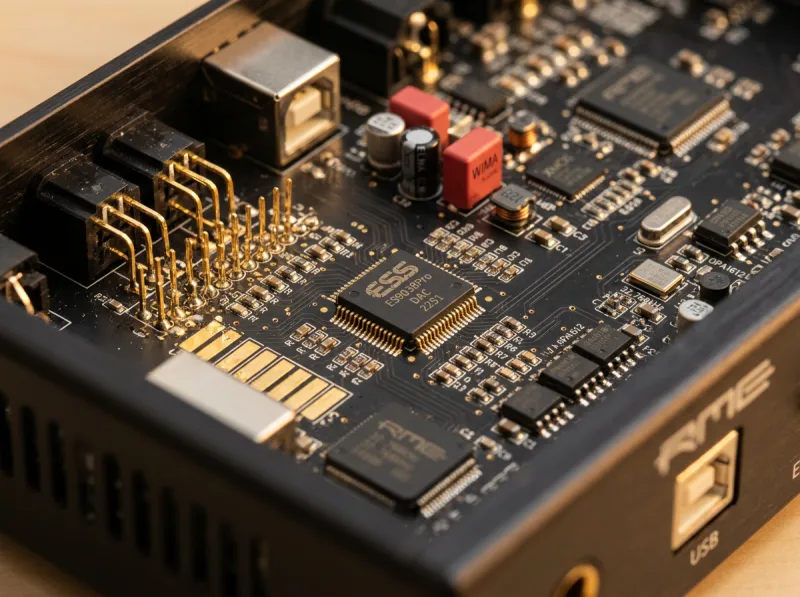
Photo source by SR Digital - Alinear Indonesia (Adobe Firefly – Gemini AI)
Grasping the underlying mechanics of user sensory perception remains a vital asset when constructing high-impact digital experiences. This 3D atmospheric precision yields its most significant results when applied to support the writing architecture of [Micro-Indie Games: The Rise of Minimalist Design and Deep Emotional Narrative].
Within an indie gaming ecosystem that demands deep emotional player alignment, the presence of three-dimensional soundscapes operates as a vital structural pillar reinforcing the script. This acoustic clarity serves as an automated subconscious guide, keeping the user’s cognitive energy locked entirely onto the dramatic arc while shielding them from early visual fatigue.
"Spatial audio proves that within an interactive experience, what is captured by your ears commands equal leverage to what is seen by your eyes in engineering a flawless illusion of reality."

Photo source by SR Digital - Alinear Indonesia (Adobe Firefly – Gemini AI)
Strategic navigation of engineering roadblocks relies on optimizing audio engine processing efficiency, rather than unmonitored mass-injection of sound effects without a clear spatial framework. The optimal strategy requires selecting audio API integrations that offer seamless cross-hardware compatibility across various consumer devices.
Mastering the mechanics of Spatial Audio Gaming empowers development teams to continuously audit production quality metrics. Recognizing that maximum spatial depth is achieved through deliberate, streamlined acoustic layouts allows organizations to rely on empirical audio data, maintain efficient rendering cycles, and keep product development loops highly competitive.
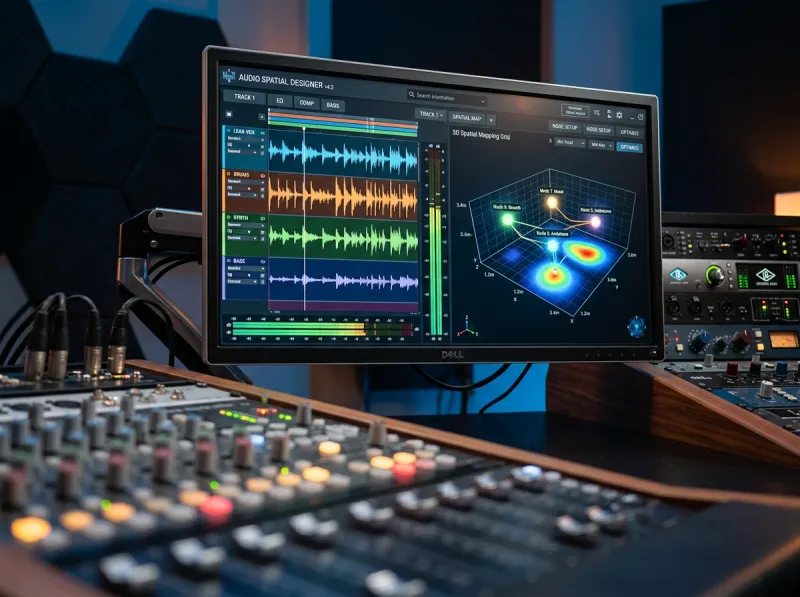
Photo source by SR Digital - Alinear Indonesia (Adobe Firefly – Gemini AI)
"Enforcing strict audio processing boundaries based on algorithm efficiency serves as a crucial strategic defense to preserve software frame-rate stability and protect the core user experience."
WRAP-UP!
The structural migration from pure visual optimization to the Spatial Audio Gaming archetype is a highly relevant metric in modern digital entertainment industry dynamics. This acoustic standard represents a calculated development model driven by clear immersion benchmarks, low tolerance for spatial design friction, and the targeted execution of three-dimensional computational processing. Outpacing market alternatives demands that creators enforce clear technical quality boundaries, which can be structurally reinforced through consistent sound research to protect user satisfaction while securing application performance efficiency.

Photo source by SR Digital - Alinear Indonesia (Adobe Firefly – Gemini AI)
Your initial step begins with auditing your development team's computational memory allocation specifically regarding audio engine processing. Shift focus away from expanding memory-heavy graphic resolution layers, and begin implementing object-based spatial audio integration pipelines. This concrete operational practice frees up GPU rendering cycles, controls overall installation file sizes, and guarantees that experiential immersion targets are reached via the most efficient pathway possible. Eliminating computational friction stands as a firm prerequisite for long-term product viability in global digital markets.
Looking to feature your brand and business through Alinear Indonesia’s Smart Publication & Smart Activation? Share your experience and consult with us today. Click here!



![Alinear Indonesia [Brand/Business Registration] Smart Publication & Smart Activation](https://www.alinear.id/assets_web/images/qr-codes/3e23e7dab43d2e72854ba48a3a09cf75.jpg)