











"Toward an era where clothing is no longer produced by heavy industry, but grown through biological intelligence."
Photo by MANITO SILK on Unsplash
The fashion industry is on the brink of its greatest material transformation since the invention of nylon: the mass use of bio-engineered protein fibers that mimic the structure of spider silk. In the wild, spiders are known to produce fibers that, on an equal weight basis, possess higher tensile strength than steel and flexibility surpassing that of rubber.
However, due to the cannibalistic nature of spiders, harvesting these fibers naturally is impossible on an industrial scale. Through precision fermentation techniques using genetically modified microorganisms in laboratories, material scientists are now able to produce this silk protein synthetically, a process known as bio-fabrication. This material not only offers extraordinary technical performance but also serves as a total solution to the microplastic issues generated by petroleum-based synthetic fibers.
"The strength of steel within the softness of silk; a technical harmony achievable only through collaboration with nature."
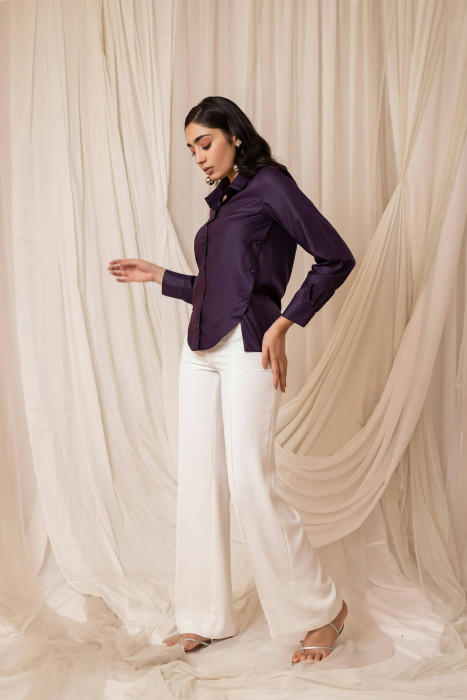
Photo by GLOBALDSIO IT SOLUTION on Unsplash
The unique characteristic of this spider silk protein fiber is its ability to combine extreme toughness with a softness rivaling traditional mulberry silk. In high fashion (haute couture) applications, these fibers provide an incredibly elegant drape and a luster that does not fade over time.
Beyond aesthetics, this material possesses intelligent thermoregulation properties, capable of absorbing moisture and providing optimal air circulation, making it an ideal material for high-performance outerwear and luxury activewear. Industry trends are now shifting away from pure polyester and nylon toward blends of this silk protein to create collections that are entirely biodegradable, leaving no lasting waste in the ecosystem.
"New luxury is no longer measured by the scarcity of animal materials, but by the technological sophistication that works in harmony with biology."
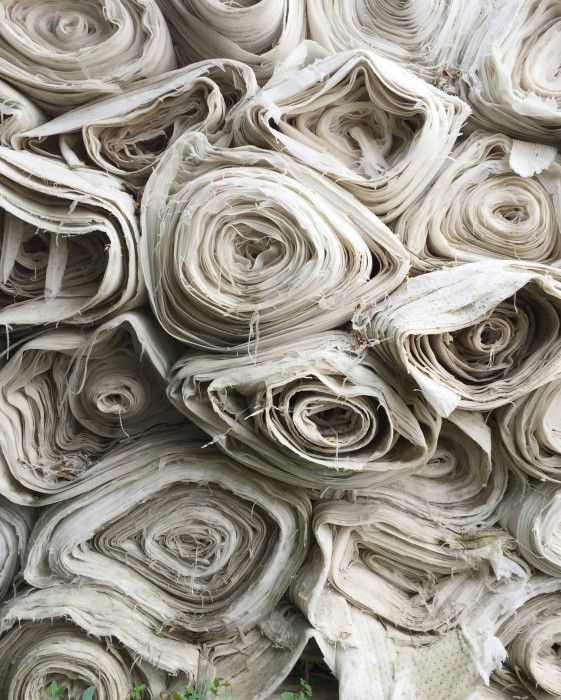
Photo by Ethan Bodnar on Unsplash
The transition toward protein-based textiles is also changing how we perceive the value of a garment. Its production process, utilizing renewable raw materials like sugar or yeast through fermentation, creates a significantly lower carbon footprint compared to conventional textile production. Furthermore, these fibers have an extraordinary affinity for natural dyes, allowing designers to produce deep colors without the use of toxic chemicals.
The use of bio-fabricated spider silk has become a symbol of a new luxury that prioritizes technology capable of working in alignment with biology. This is an era where the clothes we wear are no longer inanimate products of heavy industry, but products of intelligent and ethical biological "growth," setting a new standard for the future of the global textile industry.
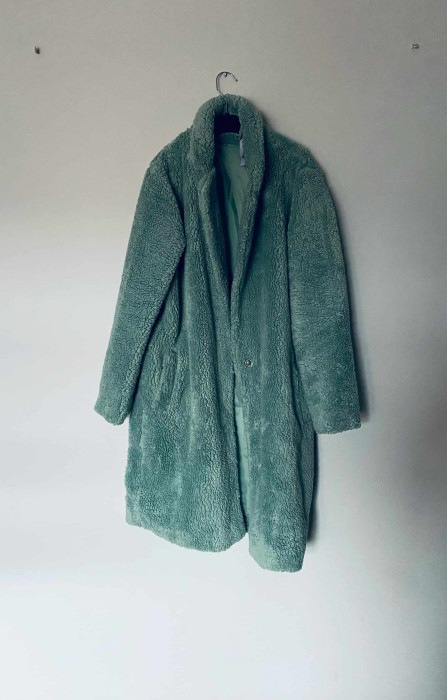
Photo by gokhan polat on Unsplash
WRAP-UP!
Bio-fabrication is transforming the fashion industry from a source of pollution into a fully circular and sustainable solution. When choosing high-performance apparel in the future, check the material composition labels; protein-based fibers are the best investment for both body comfort and the planet's health.
Looking to feature your brand and business through Alinear Indonesia’s Smart Publication & Smart Activation? Share your experience and consult with us today. Click here!