

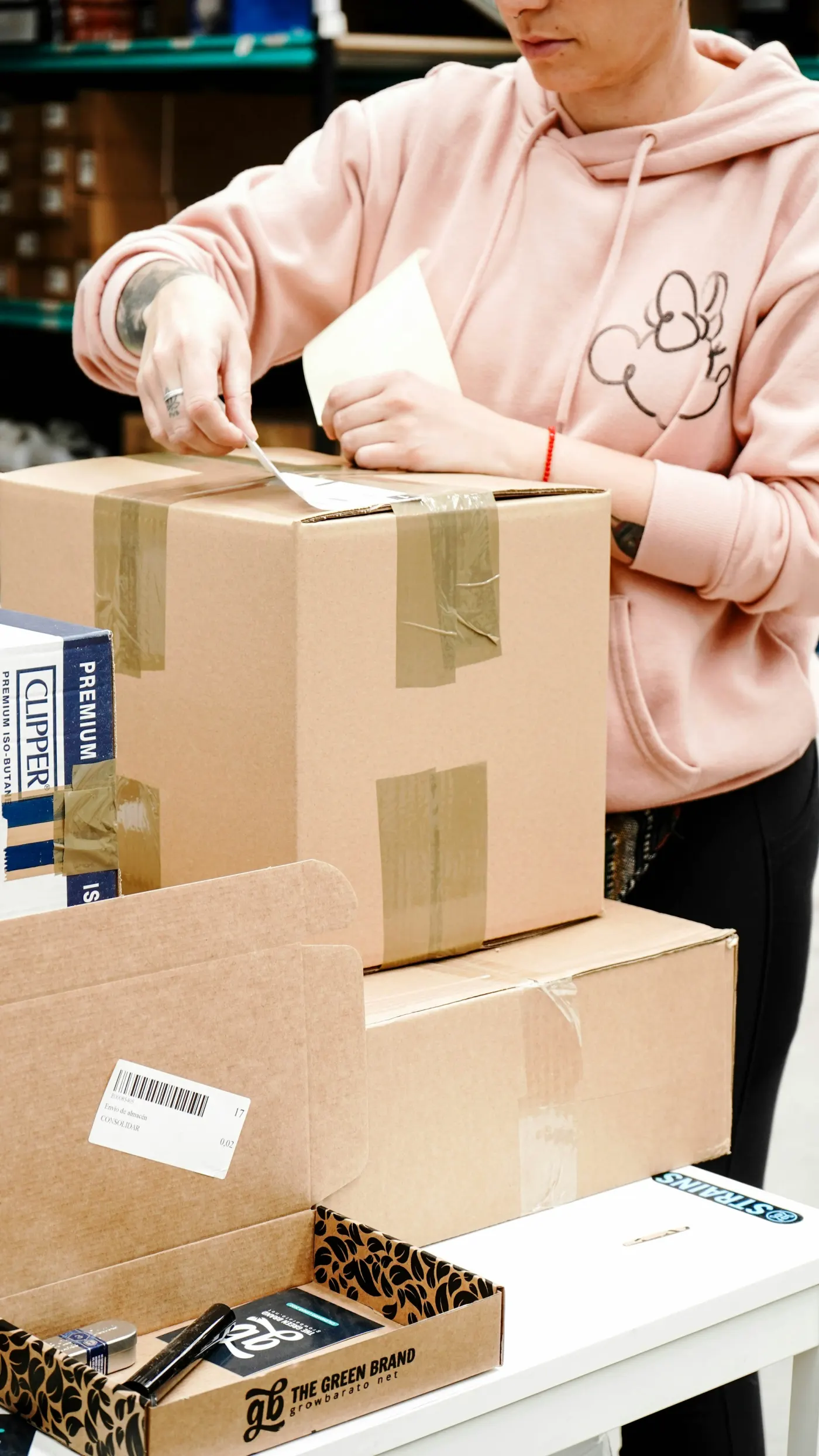

Photo by GB The Green Brand on Unsplash
Startups and independent craft brands are increasingly adopting direct sales distribution models without relying on traditional retail intermediaries (Direct-to-Consumer). Within modern commercial environments where market dynamics shift rapidly, dependence on conventional supply chains frequently erodes profit margins and delays product innovation cycles. Bypassing third-party distributor channels represents an authoritative operational move that restores full financial and strategic control to business owners.
Transitioning toward direct commercial models is propelled by high information transparency and accessible e-commerce technology stacks. Small and medium enterprises can now construct proprietary virtual storefronts matching global professional standards. This expansion philosophy proves that spatial boundaries separating manufacturers from end consumers have dissolved, enabling intimate, cost-efficient, and long-term value-oriented commercial relationships.
"D2C business models eliminate intermediaries to return net profit margins directly to producers."

Photo by William Hall on Unsplash
By marketing products directly through owned digital platforms and managing independent logistics fulfillment, businesses sustain healthier profit margins while asserting total command over brand quality narratives before global consumers. Eliminating middleman commission cuts allows enterprises to reallocate capital toward premium raw material sourcing and new product research. This cash flow health serves as a vital pillar ensuring financial viability for growing ventures.
Beyond financial returns, operating owned digital platforms provides direct real-time access to first-party consumer behavior and preference analytics. This data empowers marketing teams to craft personalized communication strategies without third-party message distortion. Maintaining complete authority over customer touchpoints—from website user interface interactions to unboxing experiences at doorstep deliveries—guarantees brand reputation consistency at every stage.

"Proprietary digital channel ownership grants total authority over data and brand quality storytelling."
Implementing structured direct-to-consumer expansion strategies fortifies SME operational resilience against global economic shifts. Freedom to direct internal order fulfillment workflows builds organizational agility difficult for rigid corporate structures to replicate. Digitally integrated logistics partnerships streamline international product dispatches with measurable cost efficiency.
Direct-to-consumer expansion strategies confirm that independent business scaling stems from channel autonomy and close consumer relationships. Taking charge of the entire sales ecosystem from origin to final delivery builds solid, highly competitive brand equity. This retail expansion philosophy continually inspires modern entrepreneurs to construct autonomous, profitable, and sustainable business models.
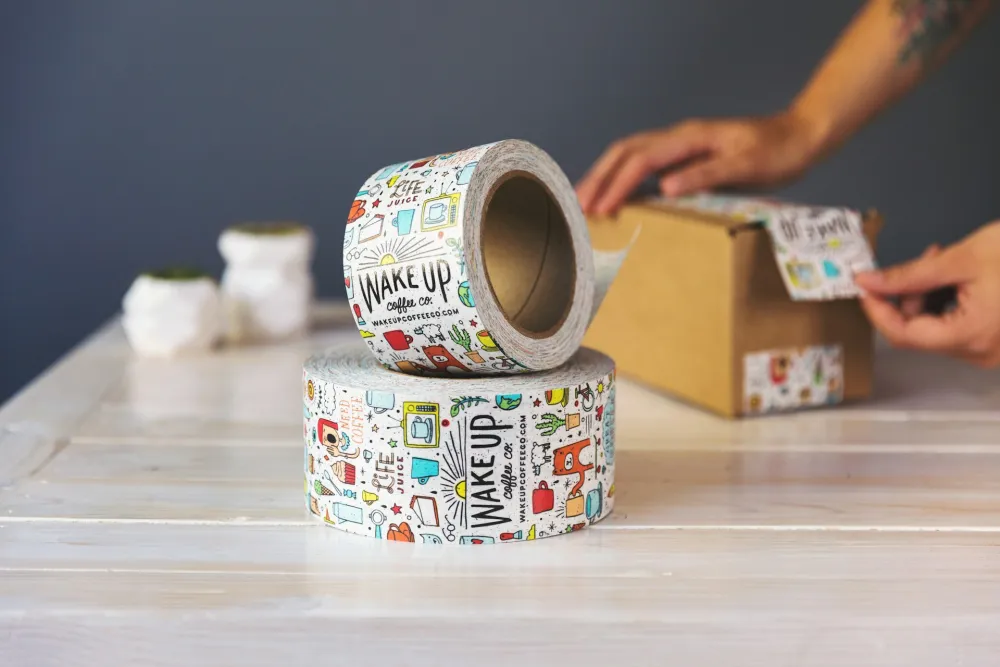
Photo by Sticker Mule on Unsplash
"Agile in-house fulfillment workflows accelerate SME growth velocity across global consumer markets."
WRAP-UP!
Reviewing Direct-to-Consumer Expansion Strategies for Independent Brands reinforces Business & Startups x SME Growth, proving that integrating owned e-commerce platforms and independent fulfillment management tangibly boosts profit margins, secures consumer data ownership, and accelerates SME scaling. Explore D2C retail workflow guides, proprietary e-commerce automation frameworks, and SME business expansion analyses with Alinear Indonesia.
Ready to Elevate Your Business and Brand to the Forefront of the Digital Era?
Discover how Alinear Indonesia’s integrated Advertorial+ (Smart Publication & Smart Activation) solutions combine media PR with AI-driven intelligence and the power of storytelling to multiply your business visibility and credibility (Brand Authority). Consult your vision and growth strategy with us today. [Click Here to Begin!]