


Photo source by SR Digital - Alinear Indonesia (Adobe FireFly – Gemini AI)
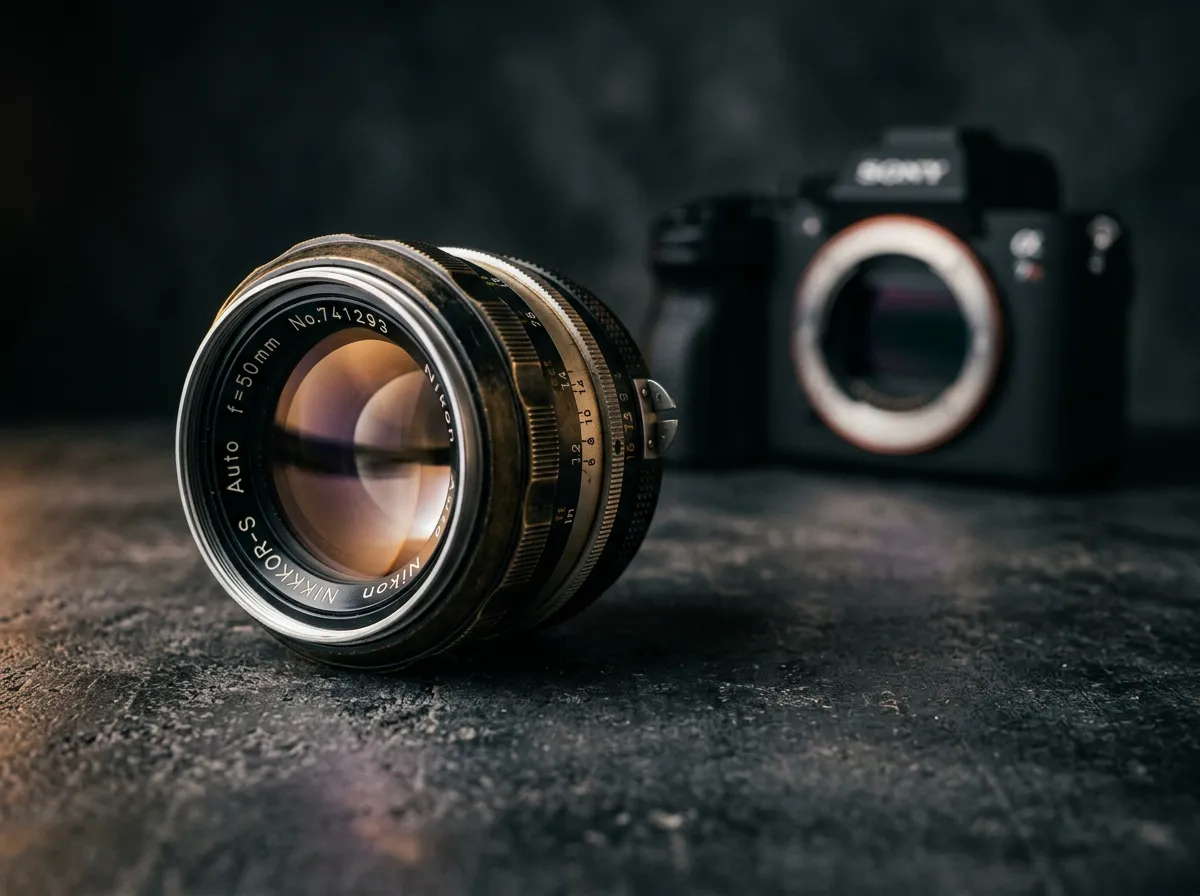
The visual exploration of urban creators is increasingly distancing itself from rigid, overly engineered digital perfection. Amidst a flood of images processed clinically by modern algorithms and pristine sensors, a massive corrective movement has emerged. The phenomenon known as The Analog Camera Hunt has undergone a structural shift; it is no longer merely about collecting vintage film camera bodies, but has pivoted toward hunting classic manual lenses produced between the 1960s and 1980s to adapt onto modern mirrorless camera systems.
This hybrid approach offers a brilliant middle ground: leveraging the efficiency and speed of a modern digital workflow while embracing the raw, emotion-driven optical character of legacy glass. Distinctive visual traits—ranging from artistic swirly bokeh and dramatic lens flares to rich, organic warm color saturation—serve as the core reason this hobby has become profoundly compelling for visual artists seeking an authentic identity.
Tactical Hunting Across Physical Flea Markets and Digital Labyrinths
Unearthing a legendary manual lens in prime condition requires an intentional blend of patience and tactical technical knowledge. The hunt typically unfolds across two distinct paths: physical flea markets (such as hidden, historic antique camera alcoves) and the digital labyrinth of specialized e-commerce marketplaces. The golden rule of hunting is to look past enticingly low price tags and instead practice rigorous curation regarding the lens's physical integrity.
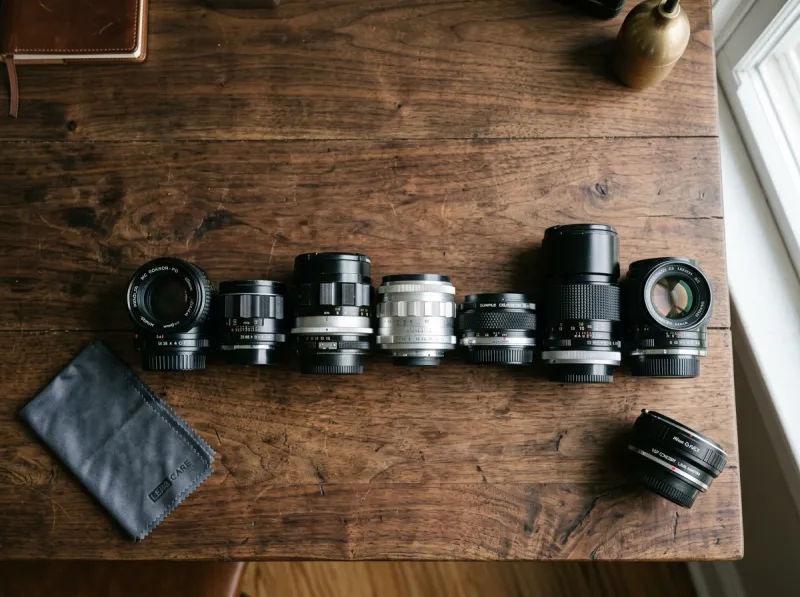
Photo source by SR Digital - Alinear Indonesia (Adobe FireFly – Gemini AI)
When navigating digital listings, always demand clear photos of both the front and rear glass elements taken directly against a strong backlight. Mechanical functionality must be thoroughly vetted as well: the focus ring must rotate smoothly without any gritty resistance—which indicates dried internal grease—and the aperture blades must be completely free of oil leaks to prevent delayed iris response when firing the shutter.
Glass Inspection: Fungus vs. Haze
The ultimate nemesis of legacy optics is physical degradation caused by decades of sub-optimal storage. Two of the most common and critical conditions to avoid are fungus and haze. Fungus typically manifests as microscopic, spiderweb-like structures growing across the surface or between internal glass elements. If the fungus remains restricted to the outermost layer, it can often be professionally cleaned. However, if the fungi have etched into the delicate chemical coating of the lens, the glass structure suffers permanent, unrepairable damage.
An even more treacherous enemy is optical haze, caused by the evaporation of internal mechanical lubricants that settle onto the glass elements over time due to humid storage conditions. Haze degrades image contrast drastically, casting a muddy, unappealing white fog over your photos. To test for this, shine a small flashlight through the rear element of the lens and observe its internal clarity. A great classic lens must possess clear glass elements so that the resulting optical imperfections come purely from its native design character, not from physical decay.
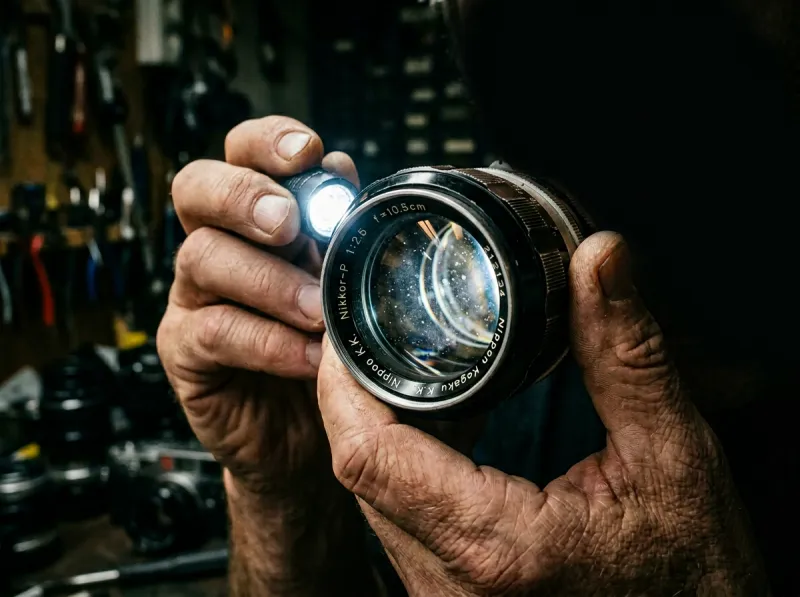
Photo source by SR Digital - Alinear Indonesia (Adobe FireFly – Gemini AI)
The Tactile Art of Manual Focusing for a Cinematic Aesthetic
Operating a vintage manual lens on a modern mirrorless body forces a creator to slow down the rhythm of capture. Forgoing autofocus is not a technical setback; it is a premium tactile luxury. The physical act of turning a weighted focus ring builds an intimate connection between the photographer, the tool, and the raw moment being preserved.
To ensure sharp precision on modern digital displays, photographers leverage built-in assist tools like Focus Peaking (color highlights over sharp areas) and Viewfinder Magnification. Yet, the true art of manual focusing lies in the freedom to define sharpness organically—such as intentionally embracing foreground blur to introduce an immersive, cinematic depth of field. This textured, nostalgic visual approach shares the exact same creative philosophy as recording raw, coarse memories through a [Vintage Camcorders: Gen Z's Longing for the Texture and Visual Memories of the Analog Lens Era], where organic vibration is prioritized far above perfect pixel counts.
"Classic manual lenses teach us that optical imperfections are precisely what birth soul and warmth into an image—elements that can never be replicated by the clinical calculations of artificial intelligence."
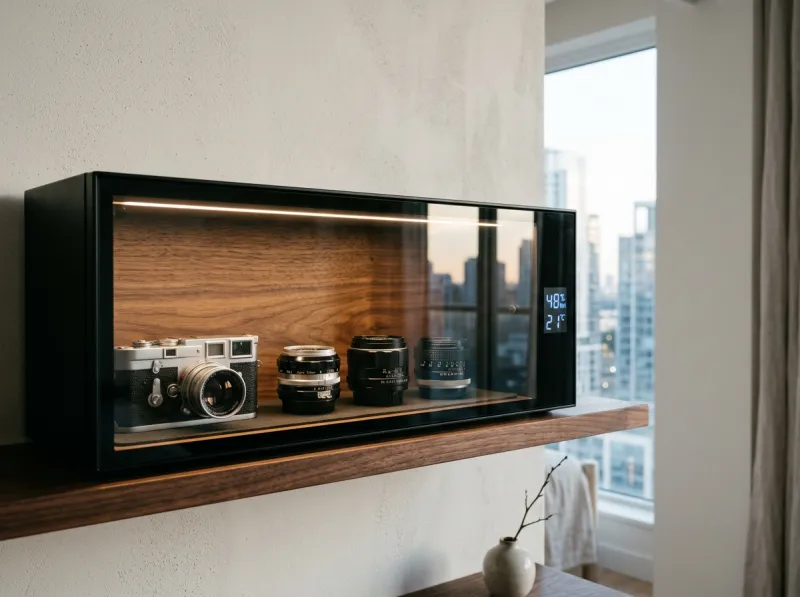
Photo source by SR Digital - Alinear Indonesia (Adobe FireFly – Gemini AI)
Collection Sustainability and Authentic Investment Value
Collecting and utilizing vintage manual glass functions as a profound contribution to the mindful hobby movement. Instead of continuously consuming modern, plastic-heavy lenses destined for rapid technological obsolescence, reviving historical glass made of solid brass, aluminum, and optical crystal stands as an elevated form of cultural upcycling.
Materially speaking, these tools from the golden era of mechanical engineering possess exceptional longevity if kept inside temperature-controlled dry boxes. Economically, the market value of legendary classic lenses remains remarkably stable, often appreciating as pristine copies become increasingly scarce. This turns the entire hunting experience into more than a simple visual outlet—it matures into a tangible investment within an authentic, long-lasting cultural asset.
"Rescuing a lens from the golden age of mechanics isn't just about collecting vintage glass; it is an active commitment to preserving a tactile, soulful way of seeing in an increasingly instant visual world."

Photo source by SR Digital - Alinear Indonesia (Adobe FireFly – Gemini AI)
WRAP-UP!
The rising trend of adapting classic manual lenses proves that advanced technology does not inherently produce the most moving art. The mechanical and optical imperfections native to legacy glass deliver a level of character, warmth, and distinct identity that liberates the photographer from digital standardization. Through precise curation and mastering manual focus, these historical tools transform into deeply personal storytelling instruments for the contemporary era.
If you do not own one yet, source an accessible, character-rich 50mm lens with an f/1.4 or f/1.8 aperture from a vintage Japanese or Eastern European manufacturer, alongside the correct adapter for your modern camera body. Mount the lens, switch your camera entirely to manual mode, and step out into the golden hour. Focus your attention entirely on capturing the interplay of natural light, observe how lens flares bloom when shooting against the sun, and immerse yourself in the tactile sensation of pulling focus manually. This exercise will sharpen your visual instincts and return you to the pure, unadulterated joy of capturing a moment in time.
Looking to feature your brand and business through Alinear Indonesia’s Smart Publication & Smart Activation? Share your experience and consult with us today. Click here!



![Alinear Indonesia [Brand/Business Registration] Smart Publication & Smart Activation](https://www.alinear.id/assets_web/images/qr-codes/3e23e7dab43d2e72854ba48a3a09cf75.jpg)