

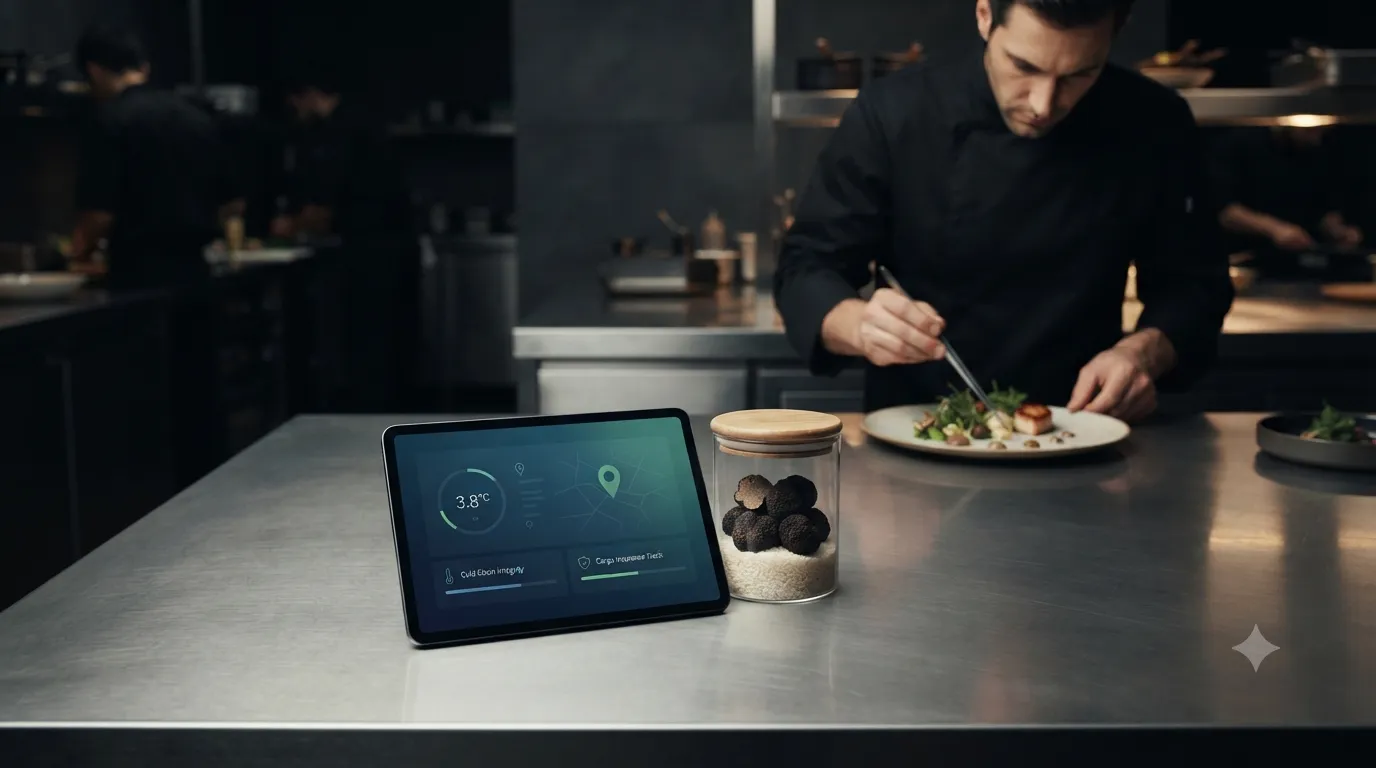

Photo source by Alinear Indonesia Docs. (Gemini AI Generated Image)
Before guests enjoying fresh black truffles or A5 wagyu cuts at exclusive chef's tables lies a highly complex logistical battleground. The global fine dining industry operates on razor-thin margins, where a single cargo delivery delay or temperature fluctuation during cross-continental transit can wipe out hundreds of thousands of dollars worth of assets within hours. Aligning with business management analysis from Inc.com, the financial resilience of a luxury restaurant is no longer determined solely by the brilliance of its chef de cuisine, but by how robust its operational risk mitigation systems are.
When global supply chains face geopolitical disruptions, climate crises, or air cargo restrictions, top-tier restaurants cannot simply compromise on quality. Loyal patrons paying premium prices expect absolute perfection. Consequently, investments in hidden protective instruments—ranging from specialized cargo insurance policies to supply chain monitoring technologies—have transformed into mandatory foundations for modern gastronomy business continuity.
Safeguarding Rare Commodities Across Air Transit
The journey of ultra-premium food commodities like Alba white truffles, Beluga caviar, and bluefin tuna from their natural habitats to dining tables in Jakarta involves travel logistics supply chains (travel essentials) that are exceptionally vulnerable.

Photo source by Alinear Indonesia Docs. (Gemini AI Generated Image)
To protect these moving assets, restaurant management establishes close partnerships with international insurance firms offering Specialty Cargo and Stock-Throughput Insurance. These policies cover not only physical damage to goods during air transit, but also losses due to organoleptic quality degradation resulting from mid-journey cooling system failures. With this coverage, restaurant kitchens can instantly recover financial losses without disrupting daily operational cash flows.
IoT Automation and Data-Driven Kitchen Management
Inside the kitchen, risk protection relies not only on external insurance documents, but also on the integration of internal monitoring technology powered by the Internet of Things (IoT).
Citing operational technology innovation reports from Mashable, high-end commercial kitchens are now equipped with wireless temperature sensors connected directly to operational managers' smartphones. If the walk-in refrigerator storing caviar experiences even a half-degree temperature deviation in the middle of the night, the system triggers an immediate emergency alert. This automation eliminates human error, ensures food safety compliance (business compliance), and suppresses raw material loss rates to zero.
Business Compliance and Food Hedging Strategies
Facing global economic uncertainty, fine dining restaurant management also adopts corporate finance techniques commonly used in commodity markets, namely food hedging (hedging). Through long-term contracts with certified importers, seasonal commodity prices are locked in well in advance to prevent sudden inflationary shocks.
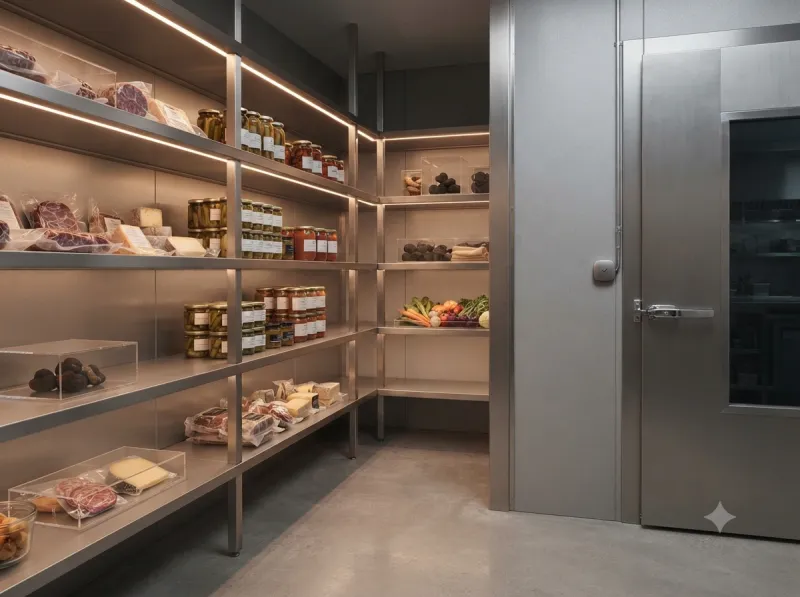
Photo source by Alinear Indonesia Docs. (Gemini AI Generated Image)
"Di balik kelezatan sepiring hidangan mewah berharga jutaan rupiah, terdapat benteng asuransi kargo dan sensor pintar yang bekerja tanpa henti mengamankan setiap gram bahan bakunya."
Additionally, legal compliance with food import and animal quarantine regulations (regulatory compliance) serves as a crucial shield ensuring all exotic raw materials bypass confiscation risks at ports or airports. The combination of legal protection, logistics insurance, and data intelligence enables luxury restaurants to maintain menu price stability for culinary connoisseurs without dropping quality standards.
Luxury Gastronomy Business Resilience
Ultimately, The High-End Culinary Insurance proves that luxury on a serving plate does not stand alone; it is underpinned by solid risk management architecture and strict financial discipline.
Unifying international travel logistics precision, kitchen IoT sensor automation, and comprehensive insurance protection, the high gastronomy industry continues to adapt amidst a volatile global landscape. Surviving restaurants are no longer just those with the most creative chefs, but those most adept at managing risks behind the scenes.

Photo source by Alinear Indonesia Docs. (Gemini AI Generated Image)
"Restoran fine dining kelas dunia tidak hanya mengandalkan kreativitas di atas talenan, tetapi juga ketepatan manajemen risiko di atas lembar neraca keuangan."
WRAP-UP!
Risk management within the fine dining and chef's table industry is a crucial business discipline protecting rare imported ingredient supplies from logistics disruption threats and price volatility. The deployment of specialized cargo insurance, IoT automation, and legal compliance strategies form the primary pillars of luxury restaurant financial resilience.
F&B entrepreneurs and executives are advised to conduct comprehensive audits of their import supply chains, integrate wireless sensor-based temperature monitoring systems in kitchens, and consult with commercial insurance brokers to design comprehensive stock-throughput protection.
Looking to feature your brand and business through Alinear Indonesia’s Smart Publication & Smart Activation? Share your experience and consult with us today. Click here!



![Alinear Indonesia [Brand/Business Registration] Smart Publication & Smart Activation](https://www.alinear.id/assets_web/images/qr-codes/3e23e7dab43d2e72854ba48a3a09cf75.jpg)