
For most dedicated collectors, a high-value classic action figure is an investment frozen in time, locked securely behind the dust-free panes of a glass display cabinet. Its presence is treated passively—a monument to nostalgia enjoyed solely from behind a transparent barrier. However, a progressive movement within contemporary pop culture is completely disrupting this traditional boundary. Through the expansive medium of toy photography, enthusiasts are shifting the function of these miniature figures from static commodities into active protagonists of a living visual drama.
Toy photography is the art of manipulating scale, perspective, and audience expectation. In front of the right lens, a plastic figure measuring a mere fifteen centimeters tall can be transformed into an epic hero standing defiantly against a sweeping, threatening desert storm. This creative pursuit demands far more than basic toy ownership; it requires rigorous storytelling capabilities, cinematic intuition, and a deep technical understanding of how a camera sensor compresses reality within an intensely confined space.
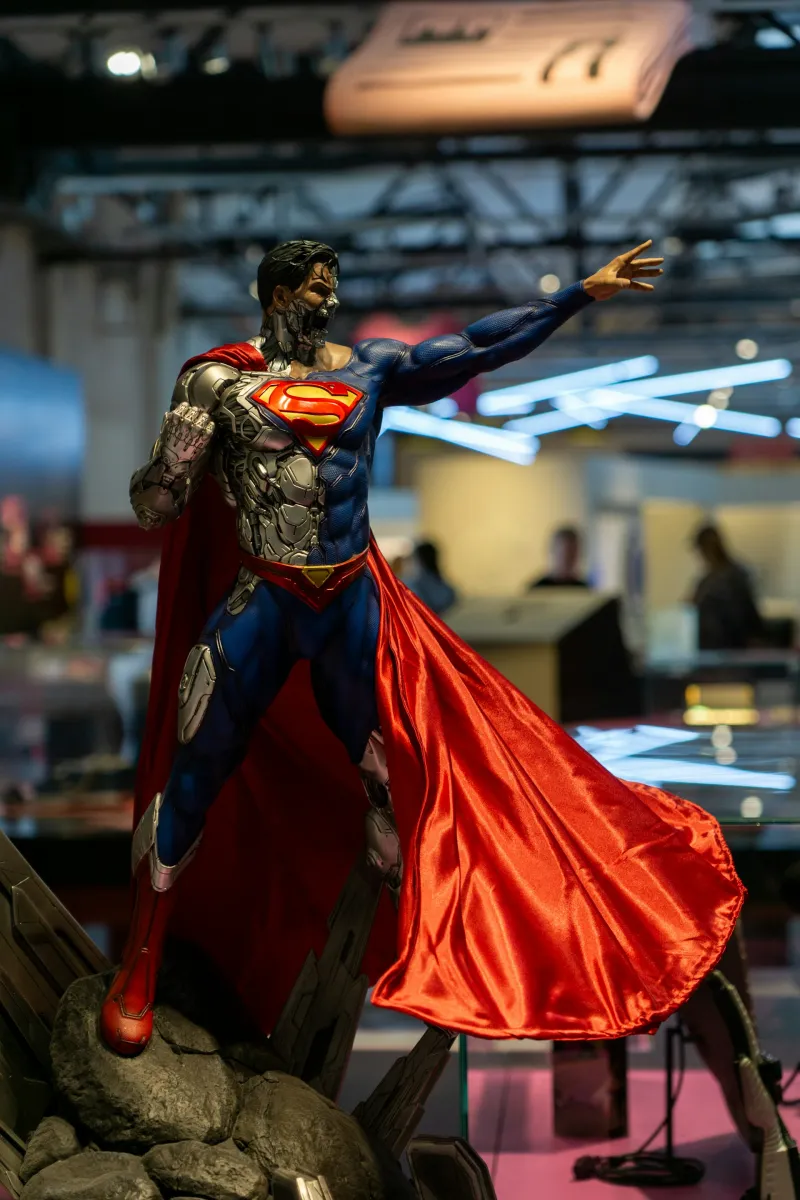
Photo by Robert Schwarz on Unsplash
Micro-Lighting Architecture: Mastering the Illusion of Cinematic Depth
The greatest structural hurdle in macro-scale photography is the human perception of dimension. The human eye naturally identifies miniatures by evaluating how ambient light cascades across their surfaces. To break this illusion and deliver a profound impression that your subject possesses real-world human scale, conventional large-scale studio lighting must be abandoned and entirely recalibrated to a micro-scale framework:
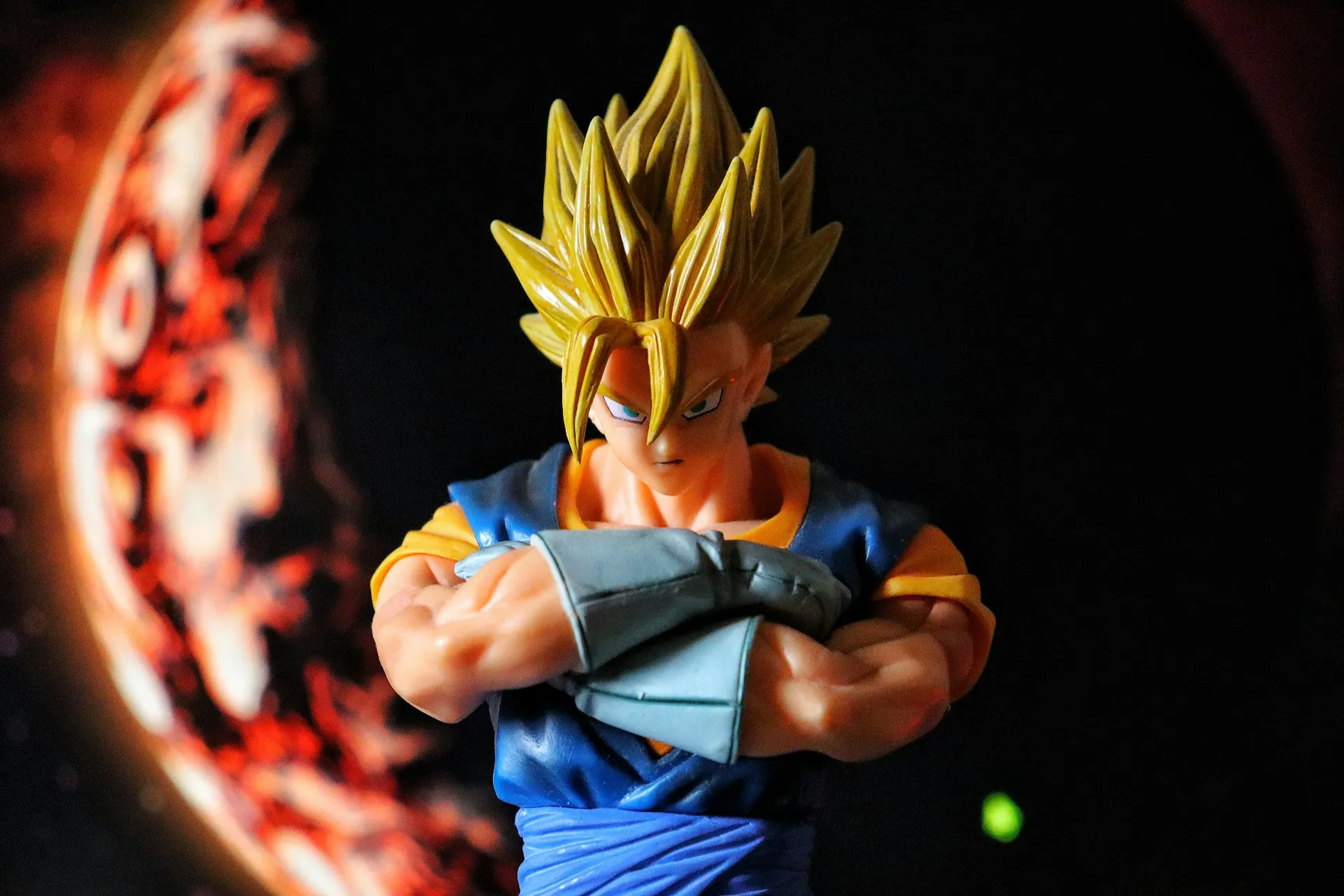
–– Targeted Micro-Light Sources: Deploy pocket-sized LED panels or small tactical flashlights outfitted with a DIY snoot (a narrow tube designed to direct light) to isolate highly specific zones of the figure. Diffused ambient room light must be avoided, as it immediately flattens the image, exposes plastic textures, and shatters the illusion of scale.
–– Chiaroscuro and Contrast Management: Position the primary key light at a low angle relative to the figure to throw long, dramatic shadows. This technical placement accentuates the sculpted facial details and fabric textures of the costume, providing a heavy, grounded visual presence reminiscent of a big-budget cinematic frame.
–– The Contrast Rim Light: Situate a secondary micro-light source outfitted with a contrasting color gel (such as deep amber or cool blue) directly behind the subject. This step is operationally crucial to separate the figure’s silhouette from a dark background while casting a dramatic halo along the edges of the character's hair or armor.
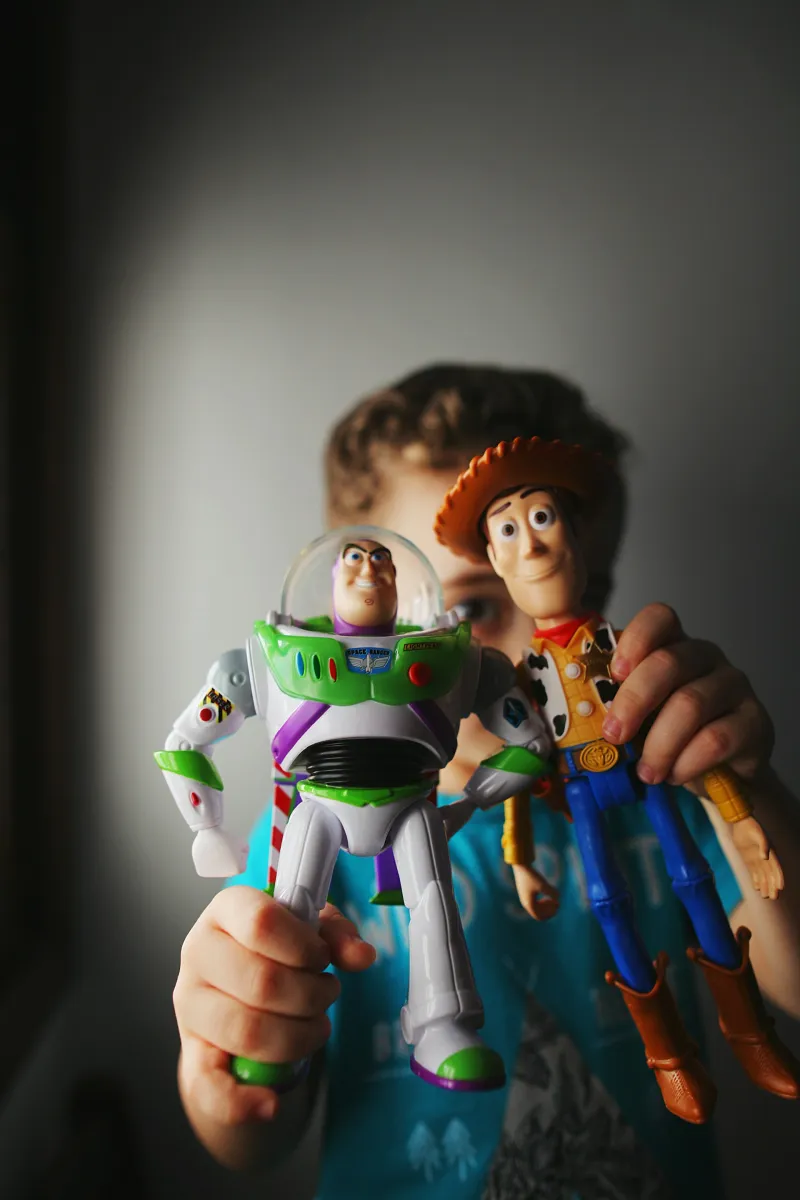
Photo by Silvana Carlos on Unsplash
Environmental Engineering: Manipulating Organic Atmospheric Effects
An exceptional toy photograph does not rely blindly on post-production digital manipulation; true visual magic is birthed through the execution of in-camera practical effects. To build an organic, immersive world for your character to inhabit, you can manipulate everyday household materials with a creative structural approach:
To generate the dense atmosphere of a battlefield or a gritty dystopian cityscape, fine vapor from a vape device or a slow-burning incense stick can be gently directed across your miniature studio set. The operational secret lies in capturing the frame at the precise millisecond the smoke begins to dissipate, maintaining clear subject visibility. To simulate dynamic explosions or sweeping sandstorms, dry coffee grounds, finely sifted topsoil, or baking flour can be tossed or blown via a manual air pump into the frame while firing the shutter at a high speed. Furthermore, water droplets misted from a fine spray bottle onto a foreground pane of glass can instantly replicate the melancholy mood of a torrential rainstorm.
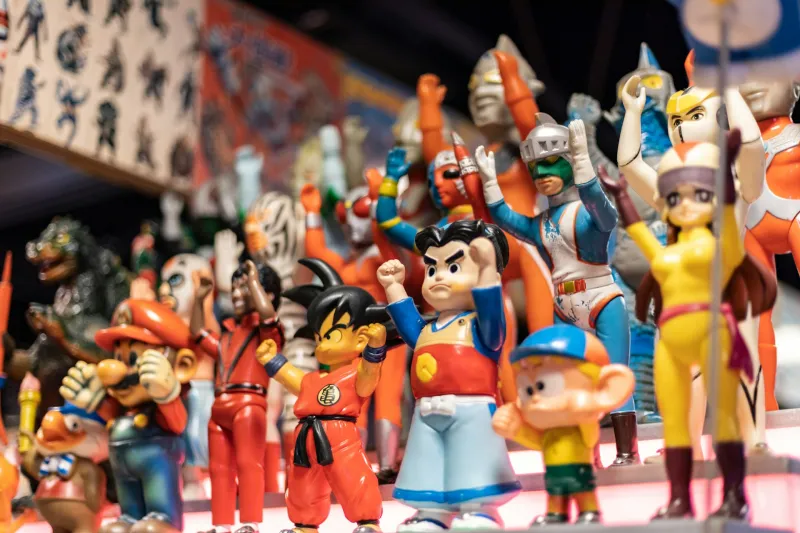
Photo by Alex Robertson on Unsplash
Macro Lens Perspectives and the Vintage Aesthetic Convergence
The selection of optics serves as the absolute turning point for this visual narrative. A dedicated macro lens with a short focal distance allows the camera sensor to operate physically close to the sub-scale subject, capturing fine details invisible to the naked eye—such as the subtle tooling on armor plates or the glint of light within a molded iris. The inherent value of a macro lens also resides in its ability to generate an incredibly shallow depth of field. This creates a smooth background bokeh that instantly erases the real-world elements of the room, locking the viewer’s focus entirely onto the character's perspective.
Intriguingly, contemporary visual experimentation within this hobby often involves a deliberate crossover of technological eras. Merging the absolute sharpness of modern macro lenses with the visual signatures of analog recording history yields an incredibly compelling aesthetic contrast. Many toy photographers intentionally adopt warm color palettes, organic film grain, and low-contrast lighting values inspired by early analog formats [Vintage Camcorder Camera Collection]. This approach injects an organic, tactile texture of nostalgia into the final digital frame, making the image feel like a lost production still rescued from a classic cinematic adventure.
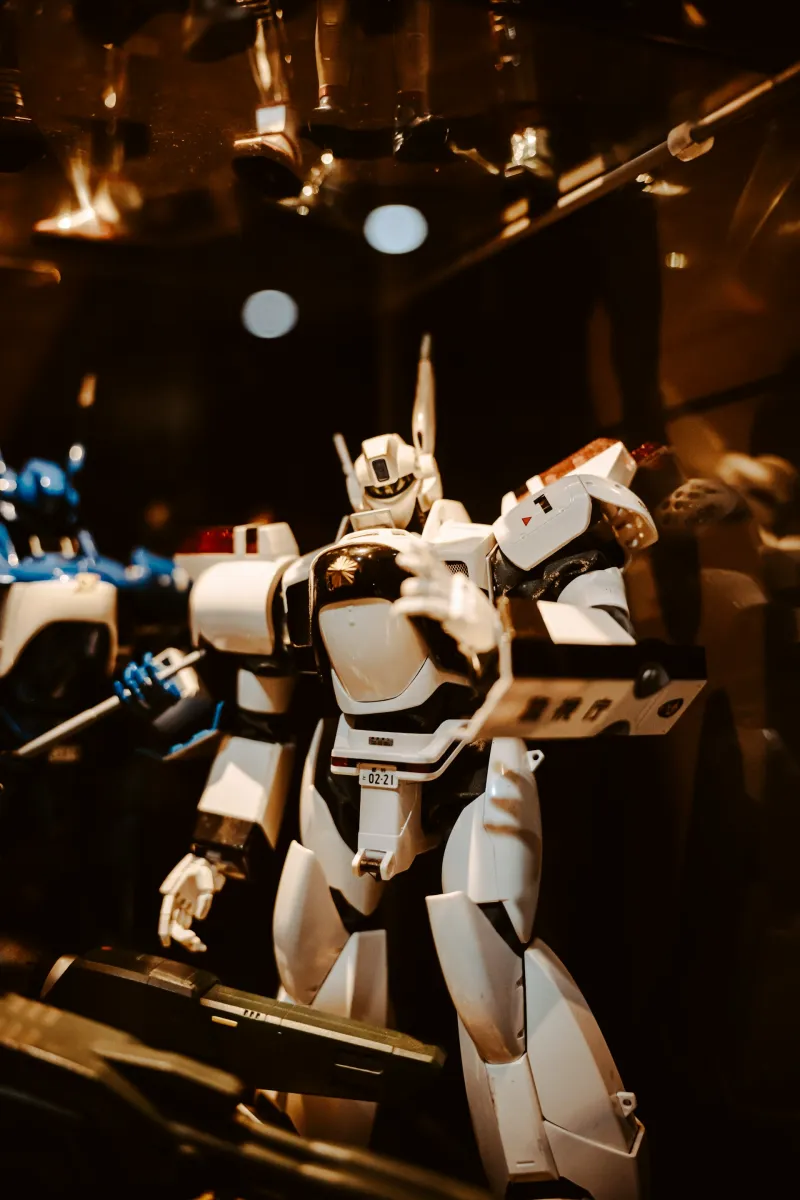
Photo by Chintya Akemi Keirayuki on Unsplash
"A glass cabinet preserves the physical material of an action figure from collecting dust, but a macro lens preserves the soul and narrative of the character across generations."
Masterpieces in Miniature: The Active Legacy of the Creative Collector
Ultimately, toy photography operates as a profound act of reverence toward the craftsmanship embedded within the action figure itself. This creative pursuit transforms the act of collecting from a state of passive material ownership into an active, artistic contribution to the broader pop culture community.
The moment you successfully execute a frame where the boundary between plastic and living flesh blurs into irrelevance, true artistic fulfillment is achieved. You are no longer merely photographing a manufactured object; you have liberated that character into an entirely new reality, granting them a permanent canvas to project emotion, command narratives, and ignite the human imagination.
"In the realm of toy photography, the ultimate boundary is never the physical measurement of the subject in front of your lens, but the scope of the imagination you dare to construct behind the viewfinder."

Photo by Nolan Walsh on Unsplash
WRAP-UP!
Toy photography successfully erases the dividing line between conventional hobby collecting and professional visual art. By engineering precise micro-lighting layouts, utilizing smart in-camera practical effects, and curating rich vintage textures, collectors possess the power to elevate molded miniatures into commanding works of narrative art.
Select a prized classic action figure from your collection this weekend, prepare a single portable desktop light source alongside your macro lens, and begin engineering your first cinematic miniature sequence.
Looking to feature your brand and business through Alinear Indonesia’s Smart Publication & Smart Activation? Share your experience and consult with us today. Click here!