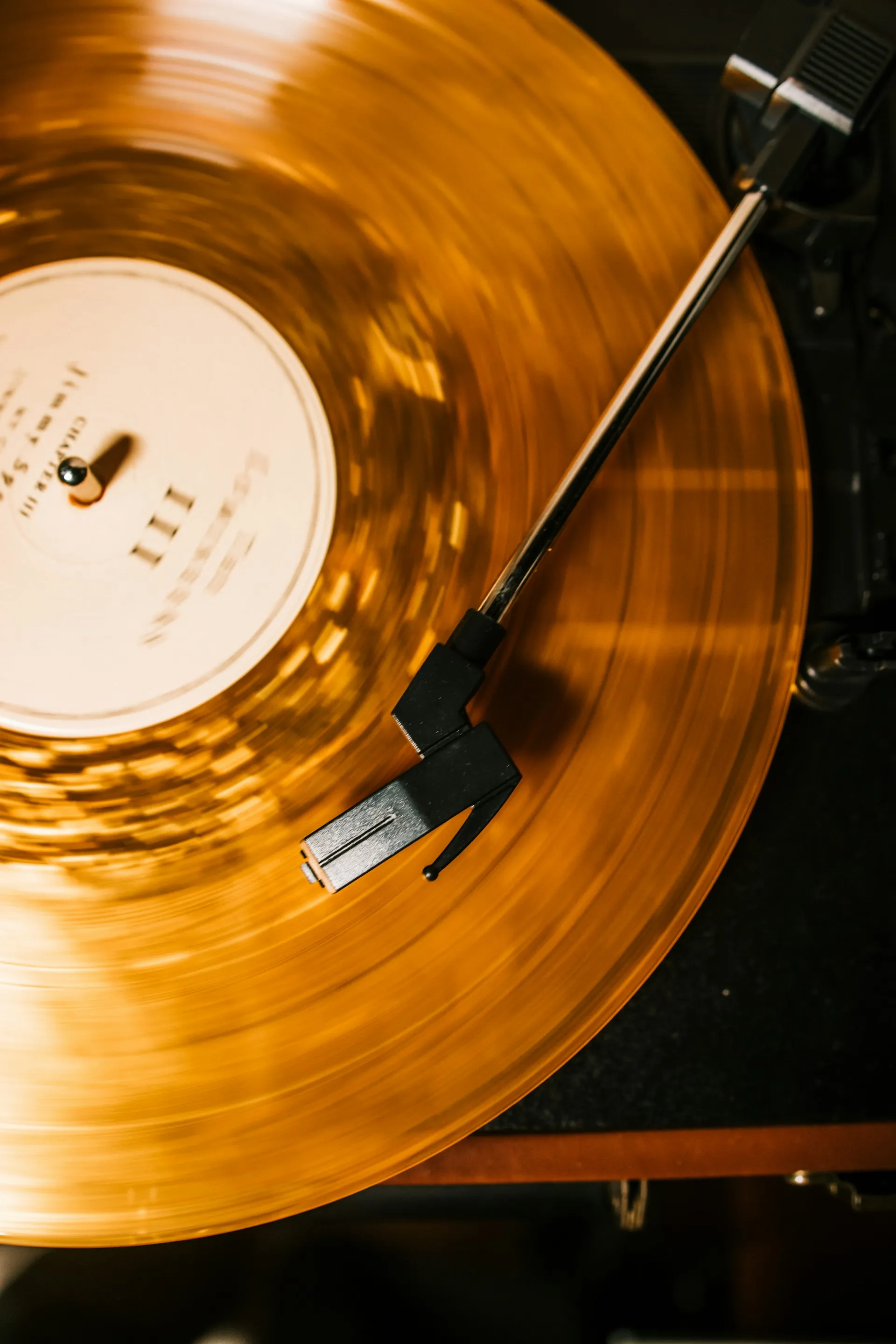

Photo by Jakob Rosen on Unsplash
In a digital age where music can be accessed instantly with a single tap, first pressing vinyl records offer an exceptional level of analogue luxury. Their organic sonic warmth, rich dynamic range, and tactile detail turn these early-release discs into valuable investment assets and highly prized memorabilia for collectors.
First pressing discs are stamped directly from the original master molds before the intricate details of the grooves gradually wear down during subsequent mass production runs. Consequently, these initial releases capture the purest sonic fingerprint of the artist from their time in the recording studio. However, maintaining the original audio clarity of these classic masters requires disciplined and precise maintenance. The aesthetic beauty of the past remains highly vulnerable to physical wear if not handled with the correct protocols.

Photo by Thibault Lam Tran on Unsplash
Protocols for Early-Release Vinyl
Caring for vintage vinyl records extends beyond a simple hobby; it represents a form of art curation that requires a mechanical understanding of record grooves. To ensure that every rotation of the needle delivers high-fidelity sound, collectors should implement four tactical maintenance rituals:
•• Minimalist Handling via The Edge Grip Protocol
Never allow bare fingers to touch the grooved surface of a vinyl record. Human skin naturally produces oils and sweat that leave a sticky residue on the disc. This residue acts like a magnet for micro-dust and fine particles, which can cause permanent audio distortion and groove damage when pressed down by a stylus. Handle the disc exclusively by its smooth outer edges or the paper label in the center.
•• Dry Cleaning Rituals Using a Carbon Fiber Brush
Establish a consistent dry-cleaning routine before lowering the tonearm and after playback finishes. Utilize a specialized anti-condensation carbon fiber brush designed to reach the deepest parts of the grooves. Gently sweep the brush in a single direction along the grooves, following the rotation of the record. This step serves a dual purpose: lifting settled micro-dust and neutralizing static electricity that frequently causes distracting surface crackle.

Photo by Samuel Regan-Asante on Unsplash
•• Absolute Vertical Storage Management
The way a collection is organized within a listening space directly determines its physical lifespan. Storing vinyl records horizontally in stacks or allowing them to lean at sharp angles can jeopardize their structural integrity. Continuous pressure from the weight of a stack causes structural deformation or warping. This type of physical damage is irreversible and causes the stylus to skip during playback. Store vinyl records vertically on sturdy shelves in a cool room with stable temperatures. Protect the collection from high humidity to prevent mold spores from developing on the original cardboard sleeves.
•• Enhanced Protection with Anti-Static Inner Sleeves
Retaining original paper inner sleeves that have aged over several decades can jeopardize the condition of a record. Older paper tends to shed coarse fibers over time, which can scratch the surface of the disc. Replace these vintage inner housings with modern sleeves made from premium high-density polyethylene (HDPE) featuring anti-static properties. This enhanced protection minimizes micro-friction when removing the record from its jacket, ensuring a quiet and clean background during playback.

Photo by Erik Mclean on Unsplash
"In the world of analogue audio, clarity is never an accident; it is the direct result of a collector's discipline and precision in safeguarding every micron of the record's grooves."
Preserving Authenticity and Investment Value
Maintaining the quality of a vinyl record represents a commitment to honoring the history and authenticity of recorded sound.
"Caring for a first pressing vinyl record is an act of defying obsolescence. It preserves more than the physical medium; it safeguards the authentic emotion and sonic warmth captured in the past."

Photo by Seyi Ariyo on Unsplash
WRAP-UP!
Preserving the luxury of first pressing vinyl records requires attention to the small details that are frequently overlooked. By combining clean handling protocols, anti-static cleaning methods, and vertical storage protected from tropical elements, collectors can ensure their neo-vintage assets retain their distinctive high-fidelity sound. Analogue preservation prevents audio degradation while ensuring the market value of the collection continues to grow over time. [Vinyl Revival: The Romance of Spinning Records Amid Digital Music Convenience]
To elevate the preservation standard of a collection, conduct a thorough audit of the current storage setup. Inspect every first pressing album to confirm that none are stored horizontally in stacks. Invest in a high-quality carbon fiber brush and begin replacing older paper sleeves with anti-static HDPE alternatives. Finally, place a hygrometer in the music storage room to monitor humidity levels, keeping both the discs and the visual artwork of the covers in pristine condition for the long term.
Looking to feature your brand and business through Alinear Indonesia’s Smart Publication & Smart Activation? Share your experience and consult with us today. Click here!



![Smart Publication+ 3.0: Build Authority. Drive Growth. [Technical Specification]](https://www.alinear.id/assets_web/images/qr-codes/bd48cb0acb2d9586570edb8a7303cee1.jpg)