

Photo by Sophia Sideri on Unsplash
From Booking to Designing
For years, the role of technology in travel was limited to booking tickets, hotels, or finding routes on a map. However, in 2026, AI and Virtual Reality (VR) have transformed the Pre-Trip Planning phase into a deeply personal design process. Modern travelers no longer accept standard itineraries; they demand experiences tailored down to the smallest detail.
AI now functions as a travel assistant capable of analyzing thousands of data points—from user reviews and historical weather data to real-time costs and your own stored preferences (Zero-Party Data). The result is a hyper-personalized itinerary that can predict your mood and needs. Meanwhile, VR allows you to "visit" a hotel room or a museum before you book, significantly reducing risk and travel anxiety.
This is how Travel Tech is changing the way we plan and experience the world.
AI as the Personal Itinerary Architect – AI transcends the capabilities of conventional search engines by focusing on the intent and context of your journey.

Photo by Keyur Hardas on Unsplash
1. Predicting Travel Flow and Mood
An AI-generated itinerary isn't just a list of places; it’s about the flow. If the AI knows you are a "culinary traveler" who values sleep, it won't schedule a traditional market visit at 5 AM. Instead, it optimizes the sequence of activities to minimize travel time (based on real-time traffic data) and ensures there is sufficient downtime.
2. Dynamic Pricing and Budget Optimization
AI can continuously monitor price fluctuations for flights and accommodation even after a booking is made. If prices drop, the AI will notify you or even perform an automatic re-booking (if authorized). This ensures travelers get the best value without manual market monitoring.
3. Specific Risk Mitigation
For complex destinations, AI can predict risks based on local news—for instance, identifying areas likely to face severe congestion due to a local festival not listed on general tourist calendars, and suggesting alternative routes or schedule changes.
Virtual Reality (VR) Eliminating Travel Anxiety – VR changes how we evaluate locations and reduces the risk of disappointment.
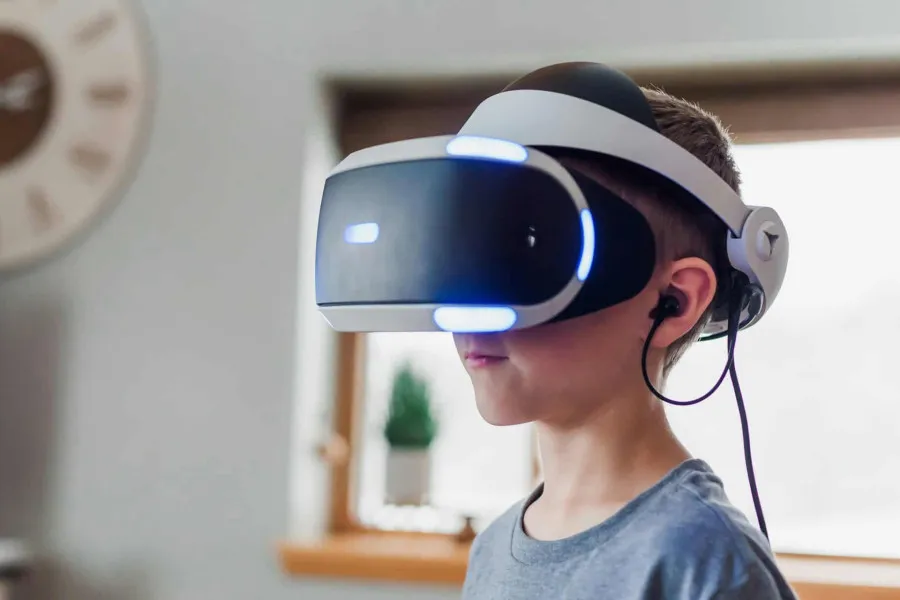
Photo by Jessica Lewis 🦋 thepaintedsquare on Unsplash
1. Immersive Accommodation "Check-ins"
Hotel website photos are often deceptive. With VR, travelers can now "walk" through a hotel room, check the view from the balcony, or assess the pool facilities in an immersive 360-degree environment. This provides visual clarity that far exceeds text descriptions or static photos, ensuring expectations meet reality.
2. Pre-Exploration of Complex Destinations
Before visiting massive museums or crowded historical sites (like Borobudur during peak hours), VR allows travelers to conduct a virtual walkthrough. They can plan the best routes, locate exits, and identify the exhibits or areas they most want to see. This transforms the physical visit into a more focused and efficient experience.
The Human Role in AI-Assisted Planning – While AI is powerful, the human touch remains essential.
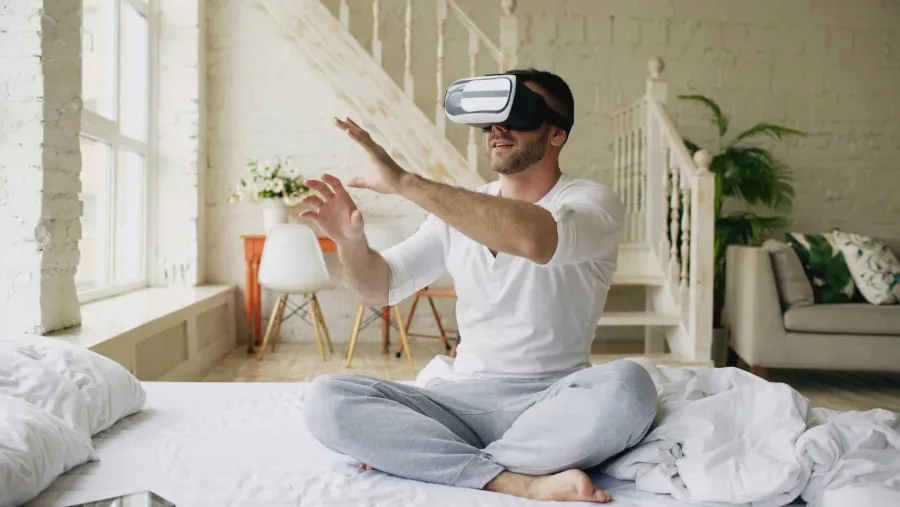
Photo by Vitaly Gariev on Unsplash
•• Inputting Honest Zero-Party Data: The quality of an AI itinerary depends heavily on how honestly a traveler inputs their preferences (e.g., disliked food types, ideal sleeping hours, or tolerance for crowds).
•• Human Verification: AI suggestions should always be cross-checked with authentic human reviews and combined with spontaneity. The best trips always leave a little room for unexpected discoveries that algorithms cannot predict.
Photo by Sébastien vantroyen on Unsplash
WRAP-UP! – Travel Governed by Knowledge
Travel Tech in 2026 is about removing friction in planning and elevating the quality of the experience. AI and VR do not aim to replace actual travel; rather, they ensure our physical journeys begin from a point of optimal knowledge and efficiency.
When technology handles the logistics, the traveler is free to focus on the true purpose of the journey: connection, exploration, and self-discovery.
"In the era of hyper-personalization, the perfect journey is one that has been predicted and optimized by AI. Technology allows us to not just travel further, but to travel smarter, more relevantly, and with fewer unpleasant surprises."
Which destination would you most like to review in VR before you actually visit?



![Alinear Indonesia [Brand/Business Registration] Smart Publication & Smart Activation](https://www.alinear.id/assets_web/images/qr-codes/3e23e7dab43d2e72854ba48a3a09cf75.jpg)