










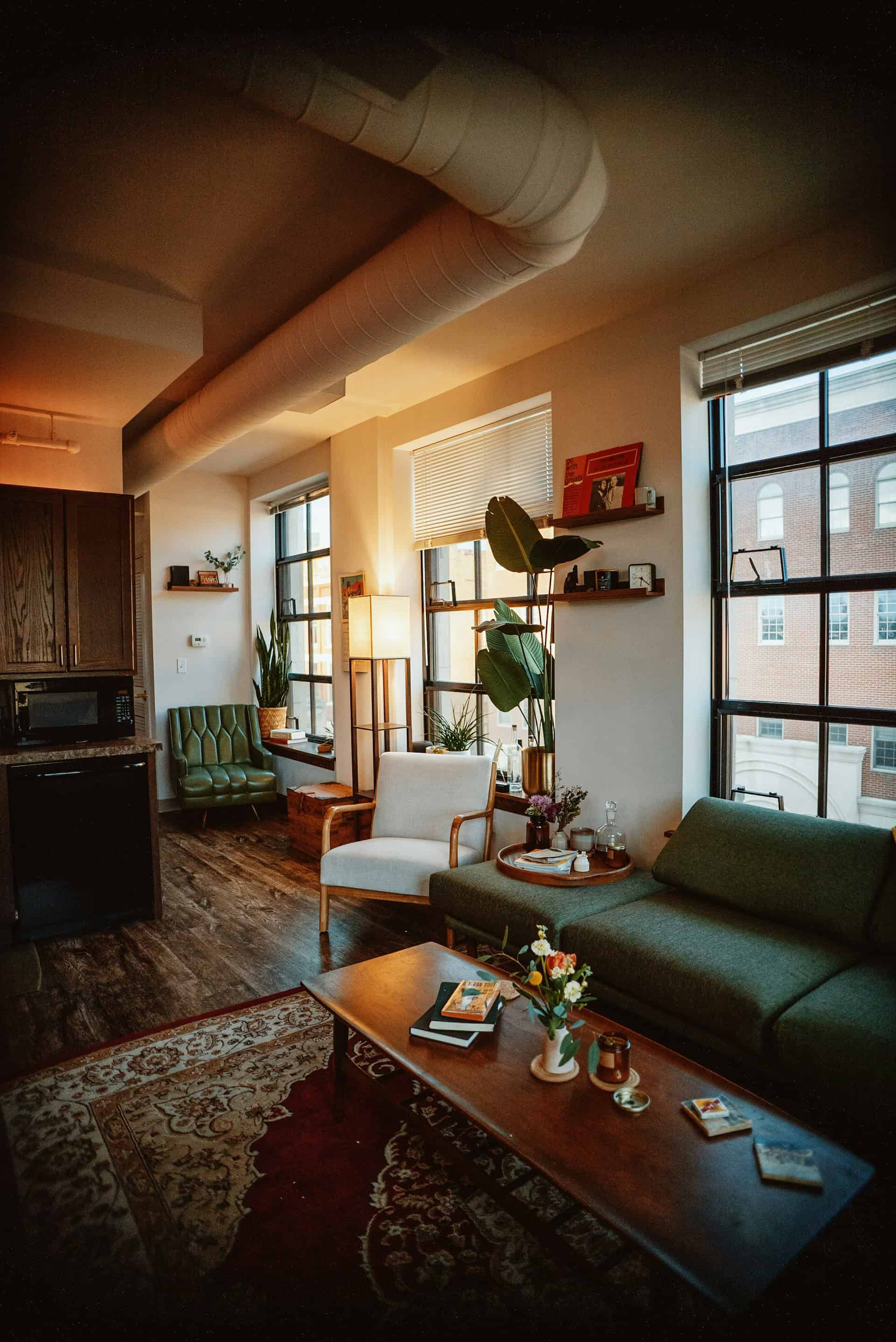
"Moving beyond fleeting trends, the future of residential decor focuses on the appreciation of existing assets. The transition toward a more environmentally friendly home can now be achieved through efficient and sustainable strategies, without requiring excessive budget allocation."
In recent years, a significant paradigm shift has occurred in interior decoration practices. Previously, quality was often measured by the latest imported goods or uniform furnishings from large-scale retailers. Today, the definition of "aesthetics" has evolved into one of "ecological responsibility." The Preservation-Based Decor (Sustainable Decor) trend is no longer considered a supplementary option but an essential lifestyle that reflects awareness of Earth's long-term sustainability.
Implementing the Green Living concept in the home does not necessitate discarding all old furnishings and replacing them with high-cost organic products. On the contrary, this is the art of appreciating value, extending the product life cycle, and becoming a far more judicious consumer.
Here are three core pillars that can be immediately implemented to create a greener home filled with character.
1. Optimization of Preloved and Upcycled Assets
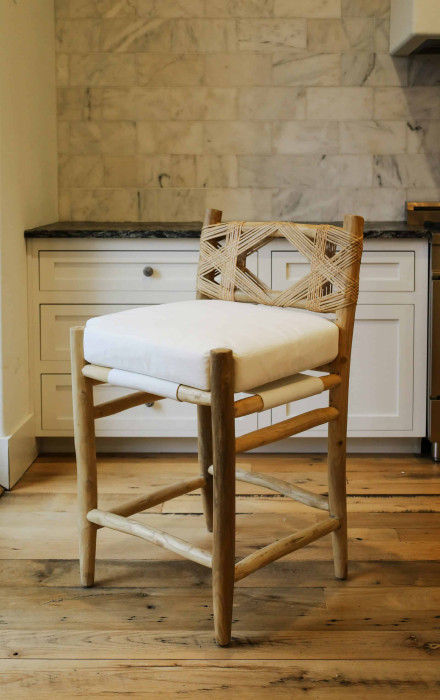
Photo by Rosemary Media on Unsplash
Instead of proceeding directly with new purchases, it is advisable to explore second-hand markets, antique shops, or e-commerce platforms that provide preloved items. An aging wooden chair can carry a unique narrative not possessed by mass-manufactured products. The process of Upcycling—transforming waste or used items into new products with higher aesthetic or functional value—is the heart of preservation-based decor. For example, modifying a used wooden ladder into a functional bookshelf, or glass bottles into artistic flower vases. This approach not only minimizes waste but also results in unique and highly personal statement pieces.
2. Priority on Local and Natural Materials
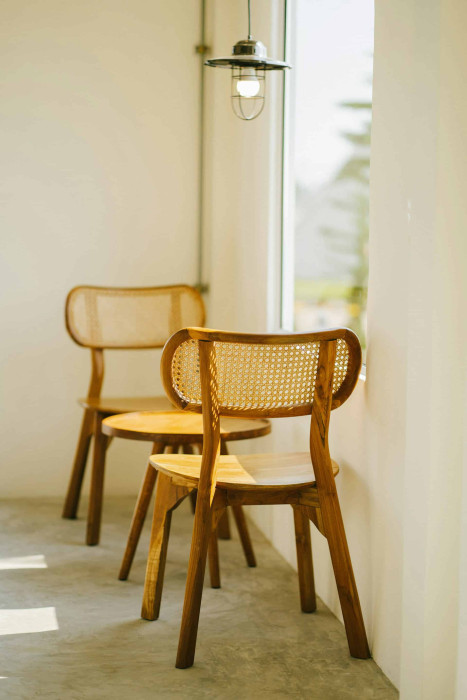
Photo by Siwawut Phoophinyo on Unsplash
Indonesia is rich in natural materials, including reclaimed teak wood, rattan, bamboo, and water hyacinth fibers. Choosing decor sourced from these materials means supporting domestic artisans while simultaneously selecting materials that are easily biodegradable and have a low carbon footprint (by minimizing imports). The use of rattan in pendant lamps or natural fiber carpets immediately imparts warm texture and creates a tranquil atmosphere, aligning with the Wabi-Sabi or Japandi aesthetics (which focus on the appreciation of natural imperfections).
3. Integration of Life Through Indoor Plants
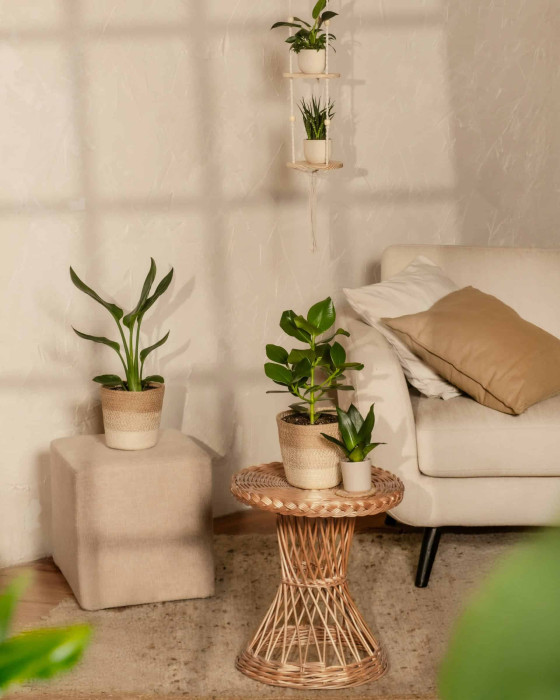
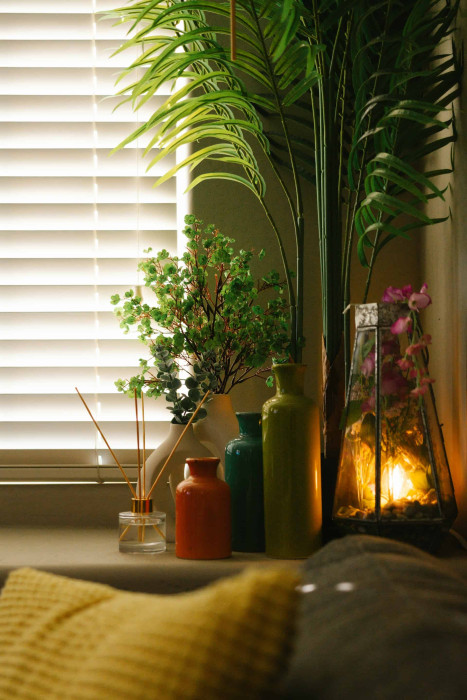
Plants are not merely decorative elements; they function as natural air filters. Their presence instantly adds depth, color, and most importantly, enhances the air quality within the residence. It is recommended to choose low-maintenance plants proven to effectively remove air toxins, such as Sansevieria (Snake Plant) or Epipremnum aureum (Pothos). The use of terracotta (clay) pots or recycled-material pots (such as used cement bags) will complement the overall sense of preservation.
WRAP-UP!
Implementation Challenge
This week, instead of visiting modern furniture retailers, challenge yourself to identify one preloved asset in your local environment. The one green item you choose today is a long-term investment, both for the aesthetics of your home and for the preservation of the planet.