

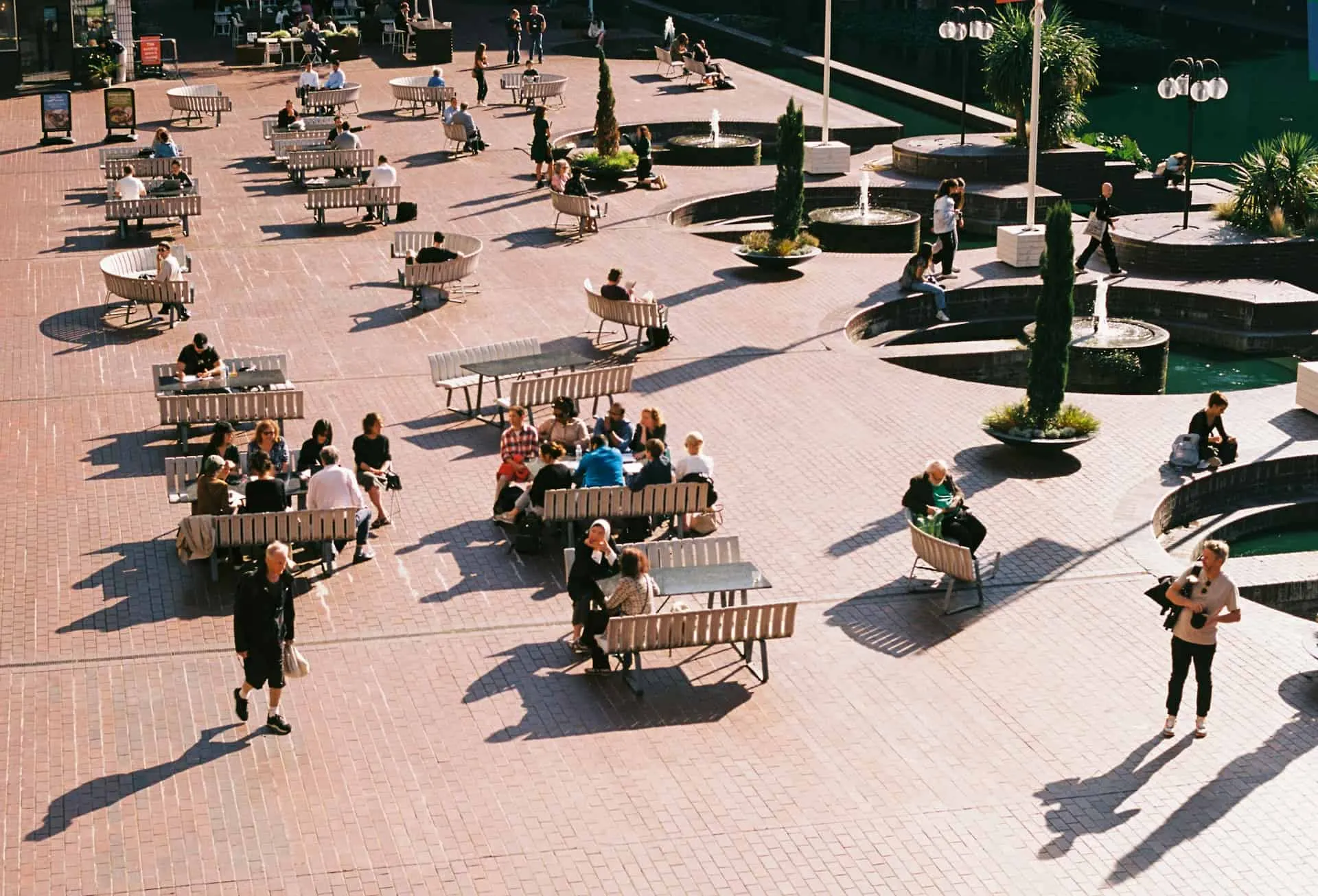

Photo by Lawrence Krowdeed on Unsplash
Amidst rigid concrete structures and massive infrastructure, a phenomenon known as Wild Urbanism has emerged. This is an acknowledgment of life that grows spontaneously in the cracks of human construction. Liminal spaces—such as abandoned underpasses, unmaintained rooftops, and sidewalk cracks—are no longer seen as architectural flaws or developmental failures but as dynamic and valuable ecological laboratories.
The perception of a sterile "clean city" is beginning to shift toward the concept of a "breathable city." In this paradigm, endemic wild plants and micro-ecosystems are given space to interact naturally with industrial materials. This narrative challenges absolute human dominance over space and creates a dialectic between our attraction to order and the unpredictable, often dismissed forces of nature.
"The true beauty of a city lies not in its rigid order, but in how it allows nature to negotiate within its structure."

Photo by Craig Cook on Unsplash
Sociologically, being in a liminal space provides a unique psychological sensation—a feeling of being "in-between" two realities. These spaces lack clear commercial functions, thereby offering individuals the freedom to momentarily shed their social identities. Many artists and urban thinkers have begun using these areas as spaces for contemplation, far from algorithmic surveillance and the suffocating commodification of public space.
The beauty of Wild Urbanism lies in its honest irregularity. How moss blankets cracked concrete or how insects form colonies within steel structures shows that life always finds a way to survive even in the harshest environments. These spaces stand as evidence that nature never truly surrenders to urbanization.
"Liminal spaces are zones free from commodification; an organic waiting room for creativity unburdened by function."

Photo by Thien Pham on Unsplash
The application of this concept in future city planning is increasingly involving what is known as "minimal intervention." Instead of leveling vacant land for formal parks that are expensive to maintain and often unfriendly to native ecosystems, urban planners are allowing natural succession to take place. This has been proven not only to increase urban biodiversity but also to significantly help lower the urban heat island effect more organically through natural evaporation and more efficient carbon absorption.
Understanding liminal space is learning to appreciate the process of decay and growth as a singular poetic aesthetic. It is a form of human humility before time—an acknowledgment that the most beautiful city is one capable of embracing wildness amidst its order. By allowing this "disorder" to exist, we are actually building an ecosystem that is more resilient and more human for its inhabitants.
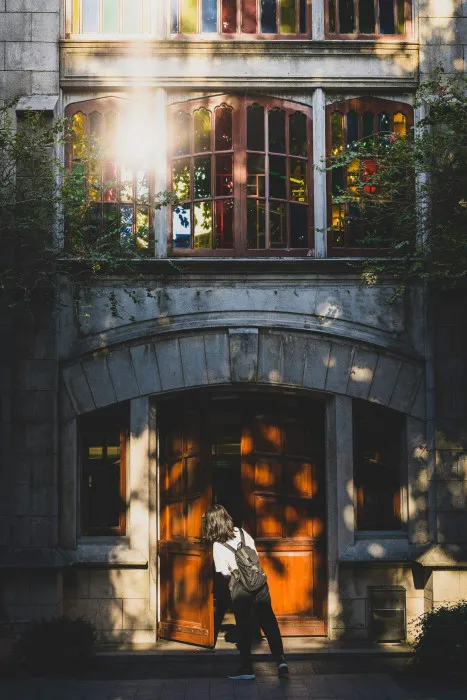
Photo by YALIYA LAN on Unsplash
WRAP-UP!
Embracing urban wildness is how we restore the severed connection between civilization and nature. Occasionally, pay attention to the plants growing in the cracks of a wall as you walk; they are small reminders that life will always find its way.
Looking to feature your brand and business through Alinear Indonesia’s Smart Publication & Smart Activation? Share your experience and consult with us today. Click here!
![Alinear Indonesia [Brand/Business Registration] Smart Publication & Smart Activation](https://www.alinear.id/assets_web/images/qr-codes/3e23e7dab43d2e72854ba48a3a09cf75.jpg)