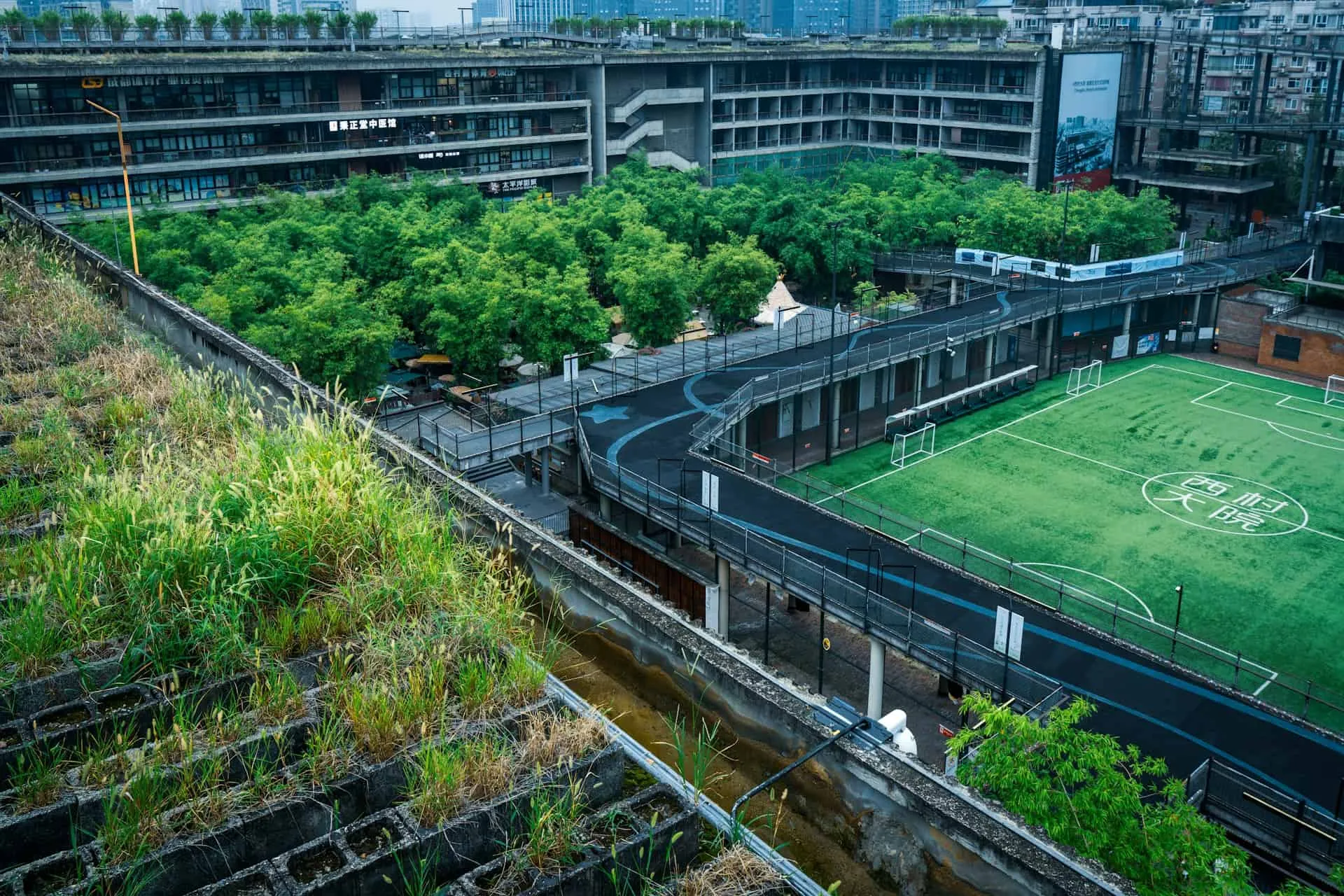

Photo by Declan Sun on Unsplash
Abundance Between the Cracks
Amidst the dominance of glass and steel architecture, a movement to find natural resources in urban open spaces—known as Urban Foraging—is gaining a foothold in the hearts of city dwellers. This phenomenon is not merely about finding "free food"; it is a profound effort to rebuild the human connection with nature, which is often severed by the fast-paced, instant nature of modern lifestyles.
Major cities actually harbor extraordinary biodiversity in the gaps of public parks, green corridors, and neglected backyards. Many plants often dismissed as mere "weeds" turn out to possess potent medicinal properties or high nutritional value. From Purslane, which is rich in Omega-3, to various wild rhizomes and leafy greens thriving in asphalt cracks, the city is an ecosystem far more generous than we imagine.
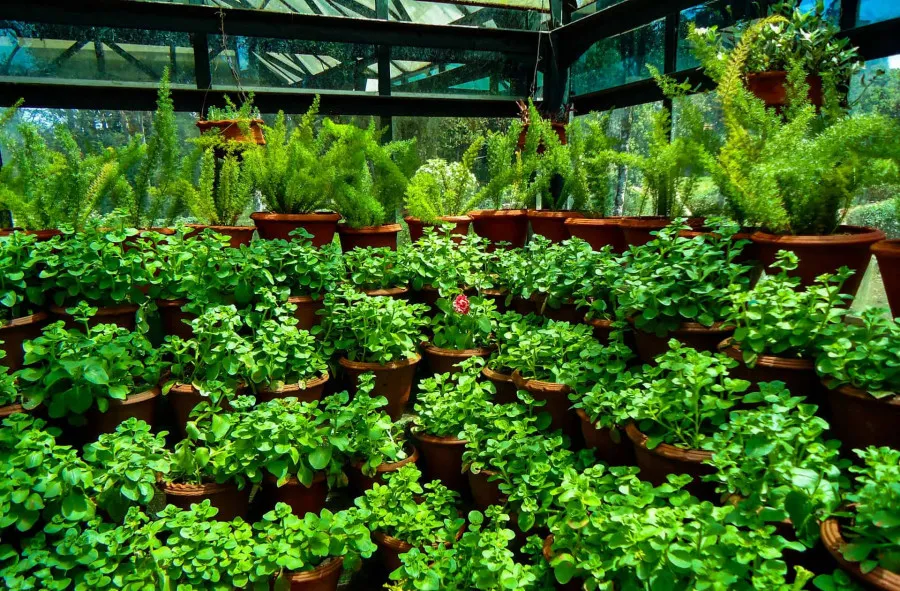
Photo by Sreehari Devadas on Unsplash
Precision and Ethical Stewardship
Philosophically, urban foraging teaches mindfulness and respect for the local ecosystem. Practitioners do not simply pick plants; they are trained to recognize seasonal cycles, soil quality, and plant authenticity before harvesting. Knowledge of traditional medicinal plants becomes relevant once again as a form of basic health autonomy at the household level.
However, this activity is governed by a strict ethical code:
•• Take Only What You Need: Ensuring plant populations remain sustainable and capable of regeneration.
•• Accurate Identification: Verifying that the plants are safe from heavy pollutants or urban pesticides.
•• Respect for Space: Honoring the ecosystem where the plant grows as a vital part of the city's "lungs."
This serves as a quiet rebellion against mass consumption culture, where every leaf found on a city street is valued as a gift from the Earth—one that has managed to survive despite the surrounding pollution.
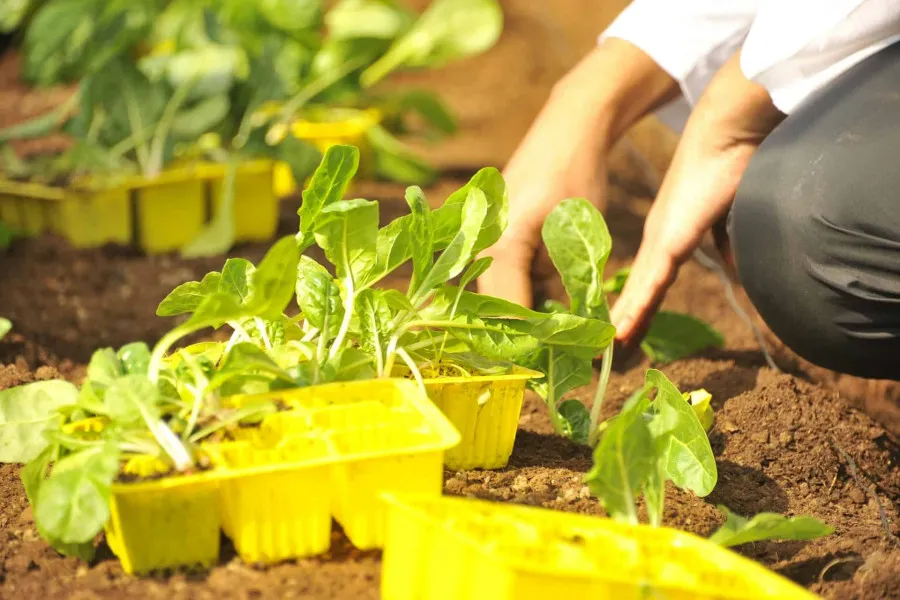
Photo by Ngobeni Communications on Unsplash
"Beneath the hard asphalt, nature always finds a crack to offer healing to those who are willing to recognize its presence."
Transforming Our Perception of Urban Space
Beyond health and nutrition, exploring urban flora provides a psychological "thrill of discovery" amidst a monotonous routine. For urbanites, recognizing that a tree on the roadside is not just for shade, but a source of food or medicine, drastically alters their perception of public space.
The city is no longer viewed as a barren, mechanical grid, but as a living ecosystem that provides for its inhabitants. This movement proves that with the right knowledge, nature will always provide a way to support human well-being, even in the most unexpected places. Through urban foraging, we learn that "wild" does not mean "useless."

Photo by Declan Sun on Unsplash
"Urban foraging teaches us that true wealth often grows right beneath our feet, waiting to be recognized as an inseparable part of ourselves."
WRAP-UP!
Urban foraging is a bridge between the modern lifestyle and the botanical wisdom of the past. It is the most intimate way to love the city you inhabit. If you are a beginner, start by learning the most common plants in your area through botanical guides or identification apps. Always ensure your foraging area is away from direct exhaust fumes to guarantee the cleanliness of your harvest.
Looking to feature your brand and business through Alinear Indonesia’s Smart Publication & Smart Activation? Share your experience and consult with us today. Click here!

![Smart Publication+ 3.0: Build Authority. Drive Growth. [Technical Specification]](https://www.alinear.id/assets_web/images/qr-codes/bd48cb0acb2d9586570edb8a7303cee1.jpg)