


Photo by Tasha Kostyuk on Unsplash
Amidst accelerating urban density, vertical residential landscapes and minimalist homes face a paradoxical challenge: physical spatial constraints running parallel with a heightened awareness of healthy living quality. Aligning with the urban spatial sociology analyses characteristic of The Atlantic, urbanites no longer view homes merely as passive resting places, but rather as independent ecosystems capable of producing their own basic needs.
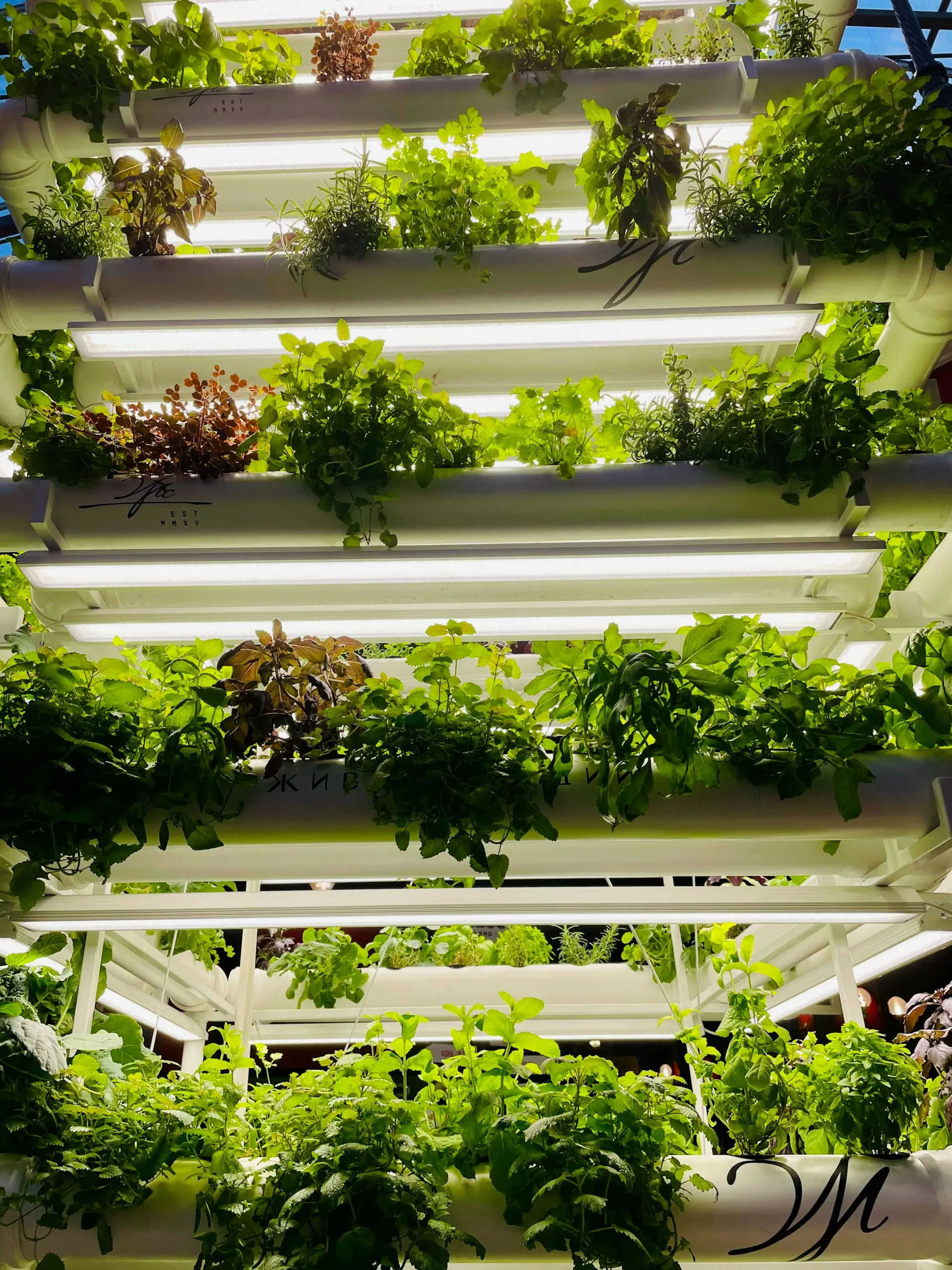
Floor-square-footage limitations are no longer a barrier. This shift has birthed the trend of vertical micro-gardening—an approach to growing vegetables and herbs vertically by utilizing blank walls or narrow room corners. By optimizing vertical dimensions, apartment residents can create aesthetic green ecosystems without sacrificing modern interior spatial comfort.
IoT-Enabled Precision Farming
The competitive edge of modern vertical micro-gardens lies in the integration of smart automation systems that allow plant management to be executed with precision, requiring no advanced gardening expertise.
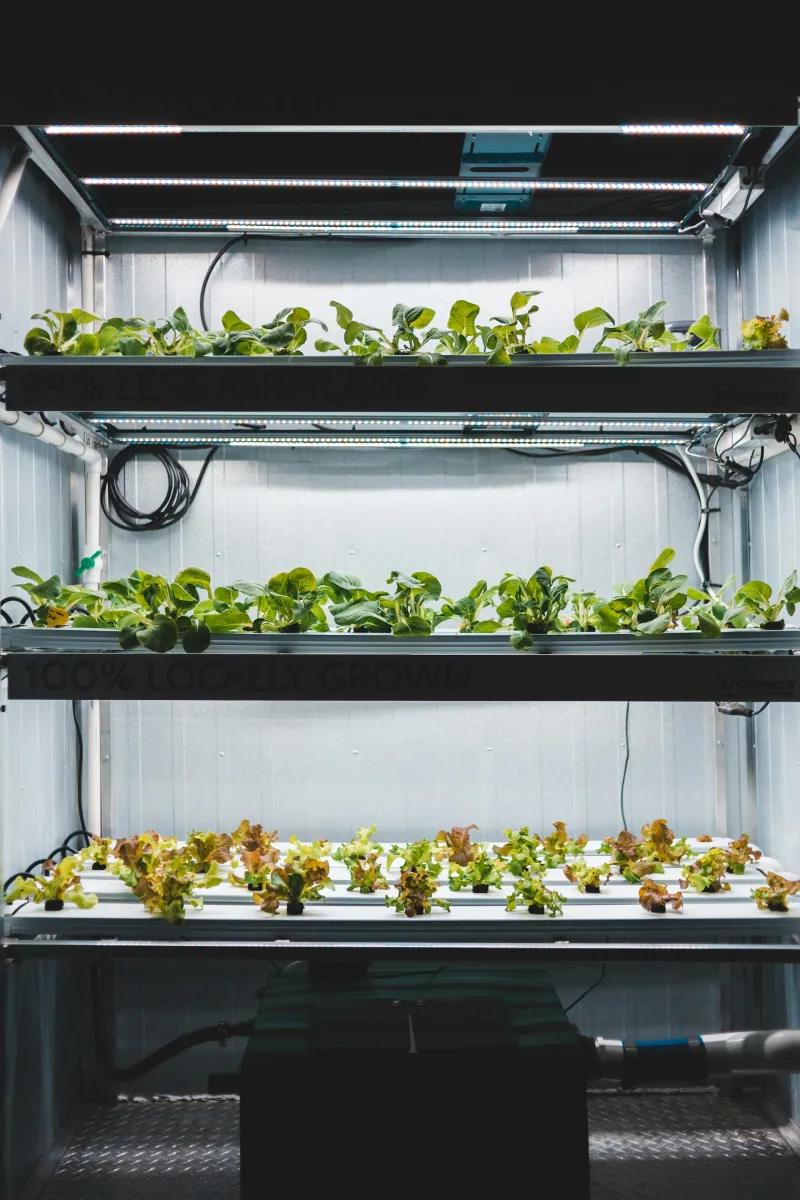
Photo by Erik Mclean on Unsplash
These systems are supported by soil moisture sensors, full-spectrum grow lights, and hydroponic nutrient circulation pumps controlled via smart mobile applications. All parameters—ranging from water pH levels to artificial lighting duration—are regulated automatically. This approach eliminates the trial-and-error factor that often hinders beginners, while ensuring plants thrive indoors with minimal direct sunlight.
Installation Workflow and Interior Integration
The installation of vertical micro-farming systems inside residences is designed to blend harmoniously with quiet luxury interior design aesthetics.
Plant modules are arranged using hanging racks or modular wall panels crafted from water-resistant wood or neutral matte metals. This design ensures the installation does not resemble an industrial facility, but rather resembles a living art installation that refreshes the view. The gentle sound of circulating water provides a calming psychological effect for urban professionals after a long day of activities.
SME Sectoral Expansion and Local Business
Evaluating this phenomenon from a business growth strategy perspective ala Inc.com, the vertical micro-garden trend has unlocked a high-potential new market for local entrepreneurs and SMEs. Demand for ready-to-install hydroponic kits, liquid organic nutrients, and artisan seed supplies has surged alongside growing urban populations adopting independent lifestyles.
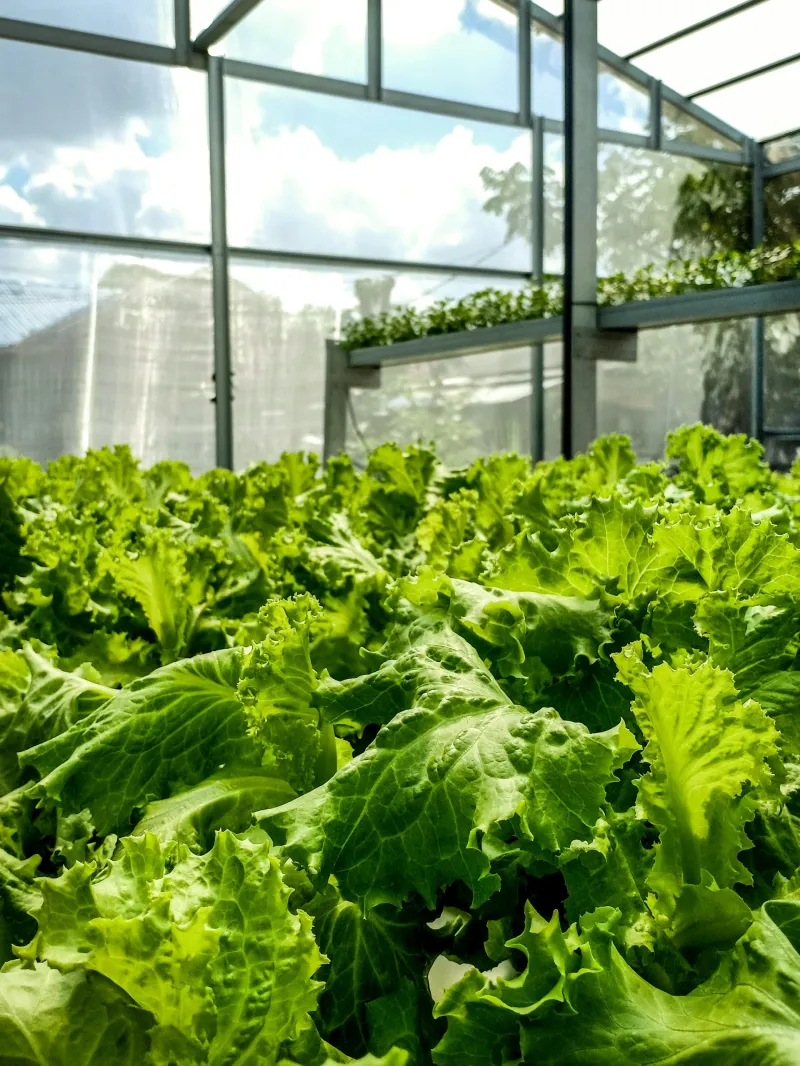
"Urban square-footage limits are not the end of food security, but the dawn of a revolution where your home walls evolve into tomorrow's gardens."
Micro-enterprises no longer sell hardware alone; they also offer subscription-based models encompassing seasonal seed deliveries and remote maintenance consulting. This high-value-added business model proves hobby-driven innovations can transform into resilient, sustainable creative economy pillars at the city level.
The Future of Micro-Scale Food Security
Ultimately, the movement toward vertical micro-gardens confirms future food security is dictated not only by large-scale rural agricultural land, but also by the active micro-spaces within urban hearts.
Unifying IoT technology, interior architecture aesthetics, and local business model acuity, this phenomenon transforms societal perspectives on food sources. Modern homes are no longer consumption-driven dwellings, but intelligent, healthy, and economically valuable micro-production centers.

Photo by Kailun Zhang on Unsplash
"When IoT technology and interior aesthetics merge within a vertical rack, a home gardening hobby transforms into a promising micro-business pillar."
WRAP-UP!
The adoption of IoT-enabled vertical micro-gardening in urban residences proves spatial efficiency can run parallel with sustainable living and local business opportunities. This innovation delivers practical solutions for healthy urban food needs while progressively driving the micro-entrepreneurial ecosystem.
Homeowners seeking to begin are advised to select hydroponic kit modules with user-friendly smart app support, start with fast-growing leafy greens or herbs, while SMEs should focus on after-sales services and sourcing high-quality local artisan seeds to foster long-term customer loyalty.
Looking to feature your brand and business through Alinear Indonesia’s Smart Publication & Smart Activation? Share your experience and consult with us today. Click here!



![Alinear Indonesia [Brand/Business Registration] Smart Publication & Smart Activation](https://www.alinear.id/assets_web/images/qr-codes/3e23e7dab43d2e72854ba48a3a09cf75.jpg)