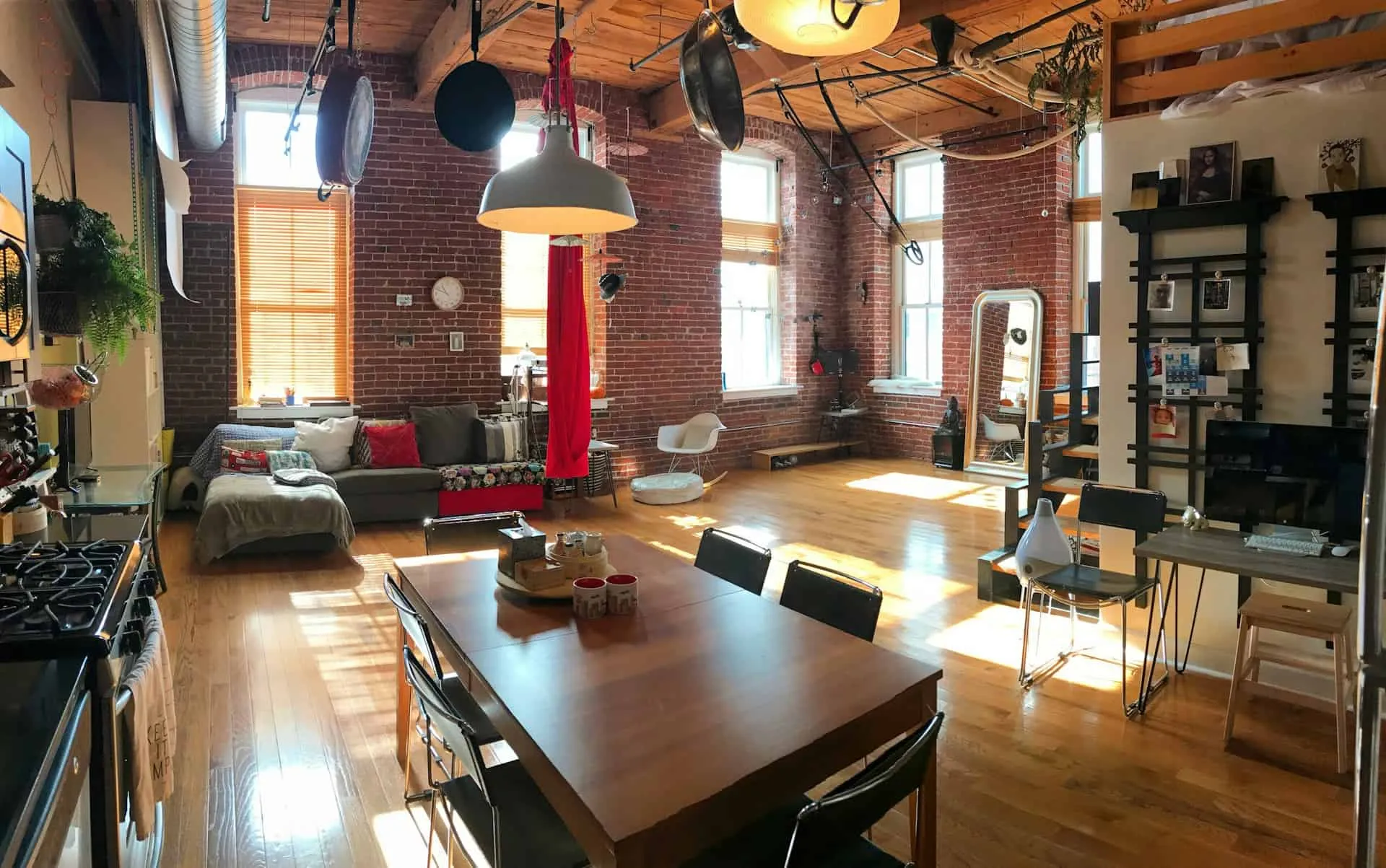

Photo by Keren Fedida on Unsplash
Land limitations in major city centers often clash with the desire to preserve historic buildings. However, through the concept of Adaptive Reuse, this challenge transforms into an artistic architectural opportunity. Adaptive reuse is the process of repurposing old buildings for a function different from their original intent without losing their core physical character. The transformation of industrial warehouses into Loft-style dwellings is an iconic manifestation of this trend—honoring past structures for a contemporary lifestyle.
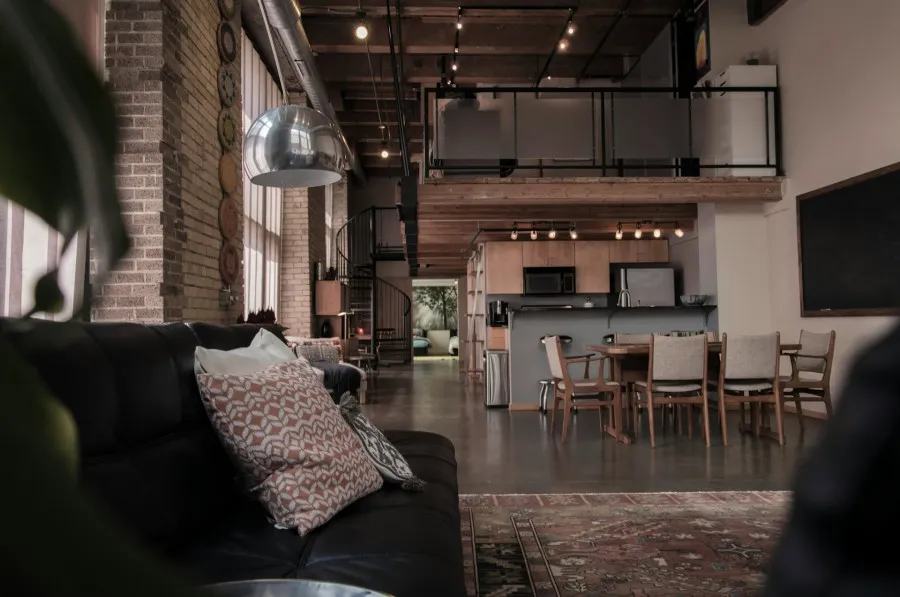
Photo by Aaron Huber on Unsplash
The primary allure of adaptive reuse housing is the volume of space. Industrial warehouses were typically designed with high ceilings and large windows for natural light. For architects, this is an extraordinary canvas for creating "open-plan living" that feels grand—something rarely found in new apartments. Exposed brick walls, original wooden beams, and visible metal pipes are no longer seen as flaws but as "honest" decorative elements that provide unique texture.
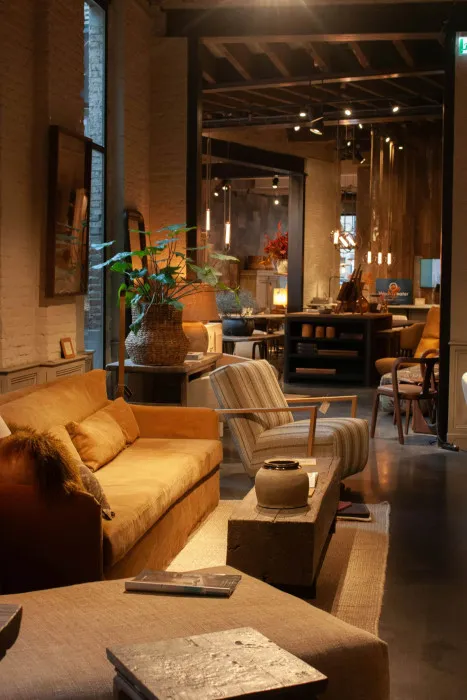
Photo by Kamilla Isalieva on Unsplash
"The best buildings are those capable of telling their past while serving the needs of the future with elegant functionality."
Beyond visual beauty, adaptive reuse is a tangible form of sustainability. Demolishing and rebuilding from scratch generates massive waste. By maintaining existing structures, we drastically reduce the carbon footprint and utilize the "embodied energy" already present in old materials. It is an ethical way to rejuvenate aging urban areas, turning abandoned zones into dynamic creative and residential districts.
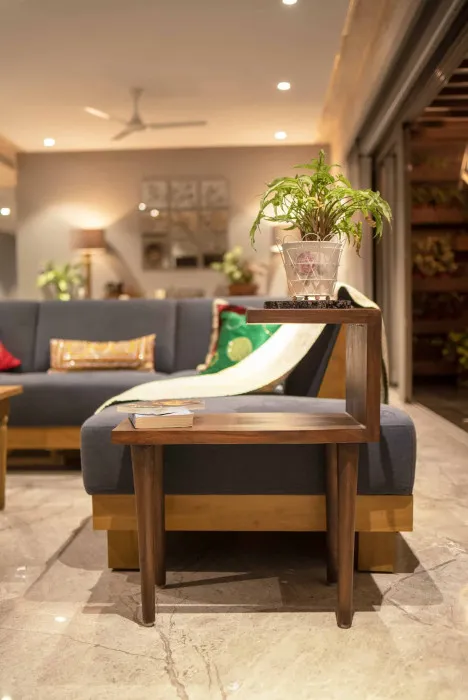
Photo by iKshana Productions on Unsplash
Inhabiting a transformed loft offers a distinct emotional experience. There is a sense of connection to the past; residents feel the industrial history while enjoying modern amenities like smart home systems and gourmet kitchens. Every corner has a story, creating a strong sense of place. Adaptive reuse proves that true luxury isn't about everything being brand new; luxury is about character, space, and the courage to honor the marks of time.
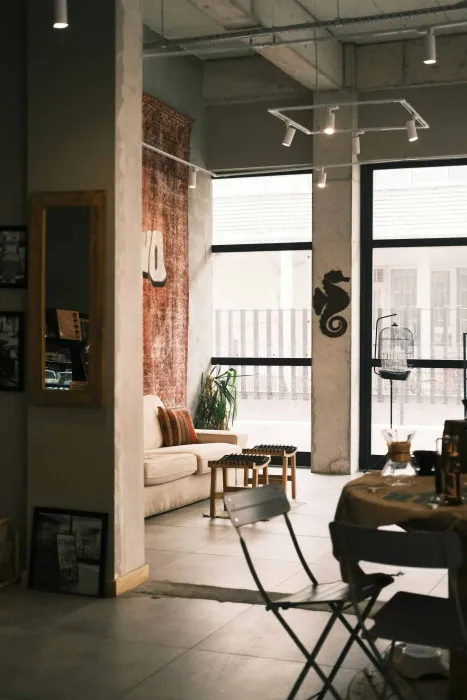
Photo by Cemrecan Yurtman on Unsplash
"Preserving a structure is not just about saving walls, but about nurturing the collective memory of a city so it remains alive in a new function."
WRAP-UP! – Adaptive Reuse aligns the aesthetics of the past with the sustainability demands of the future. If you are looking for a home with strong character, consider projects that revitalize old buildings; you gain more than just a living space—you gain a piece of architectural history.

![Smart Publication+ 3.0: Build Authority. Drive Growth. [Technical Specification]](https://www.alinear.id/assets_web/images/qr-codes/bd48cb0acb2d9586570edb8a7303cee1.jpg)